
Read More



Morning Recap - July 27, 2026
7 hours ago





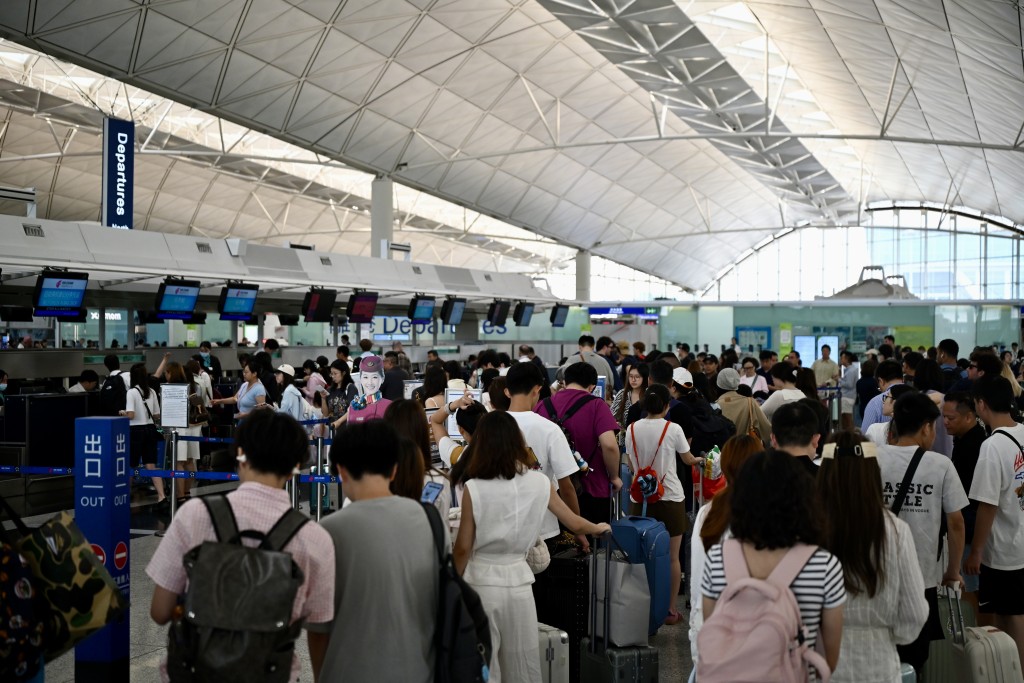
About 350 flights canceled as airport works to resume afternoon operations
26-07-2026 12:47 HKT
The Hong Kong Journalists Association is embroiled in a dispute with the Inland Revenue Department, which is demanding payment of HK$400,000 in profits tax dating back to 2017/18.
The HKJA, which says it has a practice of having its accounts audited annually, insists it will file an objection against the tax demand.
In a Facebook post yesterday, it said the issue first arose in November, when it received a letter from the IRD that indicated the department was reviewing its 2017/18 returns and that requested submission of detailed accounting records for multiple years, as well as profits tax returns for between 2017/18 and 2022/23.
Last week, it was notified about the HK$400,000 demand. The IRD said it might also seek additional taxes for other years in the future.
"The IRD explained that the amount of payable taxes it has asked for is assessed based on the size of HKJA's bank deposits. We are perplexed by this," the HKJA said.
"The HKJA will file an objection against this assessment for 2017 and has engaged professionals."
The HKJA said its operational funds over the years came mainly in the form of sponsorship from public and private organizations during annual fundraising dinners.
Chairman Ronson Chan Ron-sing said it was unreasonable for bank deposits to be treated as "income."
"The so-called business [of the association] is actually selling souvenirs and organizing fundraising dinners, but these would not be the main mission, and it indeed only accounts for one part of our works," Chan said.
"So how is it that its total bank deposits are being used as the basis to assess profits tax."
In response to an inquiry by The Standard, a spokesman said the IRD has established procedures to review information reported by taxpayers and to verify whether the amounts received are chargeable to profits tax.
"Owing to the secrecy provision of section four of the IRO, the IRD is precluded from disclosing information of individual cases to unauthorized persons, and will not comment on the cases."