Read More












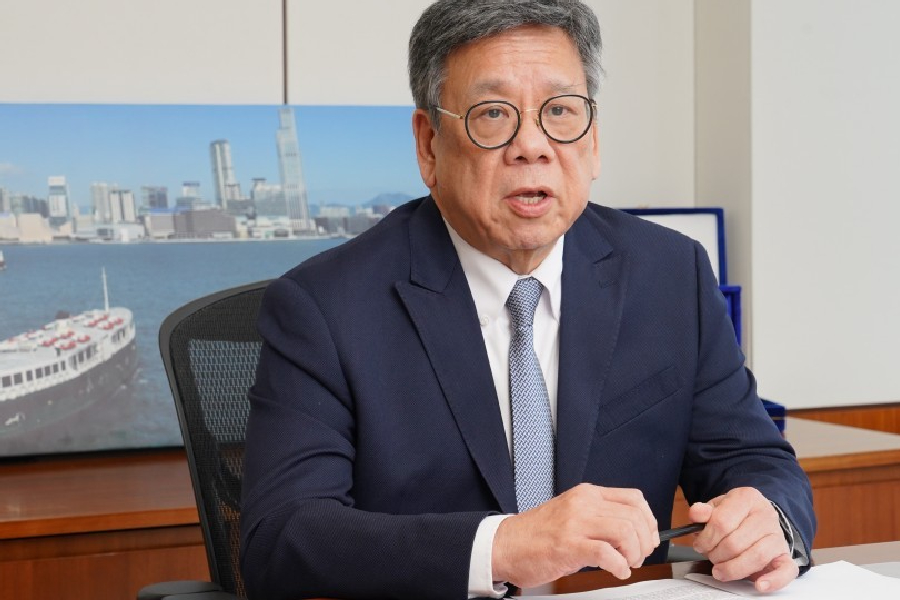
The Secretary for Commerce and Economic Development, Algernon Yau Ying-wah, has highlighted the city's position as the largest source of foreign investment in Xinjiang, emphasizing the vast potential for future collaboration as both regions align with national development goals.
Speaking at an "Invest in Xinjiang" promotion conference in Hong Kong, Yau underscored the deep and expanding economic ties between the two regions.
He noted that this year marks the beginning of the nation's 15th Five-Year Plan, during which Xinjiang is focusing on its strategic role as a key national base for energy, resources, and high-quality agricultural products.
Yau pointed out that as Hong Kong actively implements its own five-year plan, the combination of Xinjiang's industrial development with Hong Kong's international perspective is set to create powerful synergistic effects.
The commerce chief revealed the significant scale of Hong Kong's economic involvement in the region.
As of 2025, Hong Kong had invested in 817 projects in Xinjiang, with a cumulative investment value of US$2.7 billion.
This accounts for 51 percent of Xinjiang's total foreign investment, firmly establishing Hong Kong in the top position.
He stressed that the two locales have continuously deepened their cooperation, particularly in complementing each other's strengths to contribute to the "Belt and Road" initiative.
The economic relationship is a two-way street. While Hong Kong facilitates Xinjiang enterprises in their global expansion, it has also successfully attracted capital from the region. As of 2025, the total stock of Xinjiang's investment in Hong Kong had reached US$2.26 billion.
Looking ahead, Yau identified Hong Kong's Northern Metropolis as a crucial strategic platform for future growth.
He stated that this development will offer expansive research, development, and commercialization opportunities for leading Xinjiang enterprises, especially those in new energy and new materials sectors.
He expressed confidence that through continued dialogue and connection, businesses from both regions can uncover more opportunities and jointly write a new chapter for the modern Silk Road.