Read More




Night Recap - May 25, 2026
8 hours ago

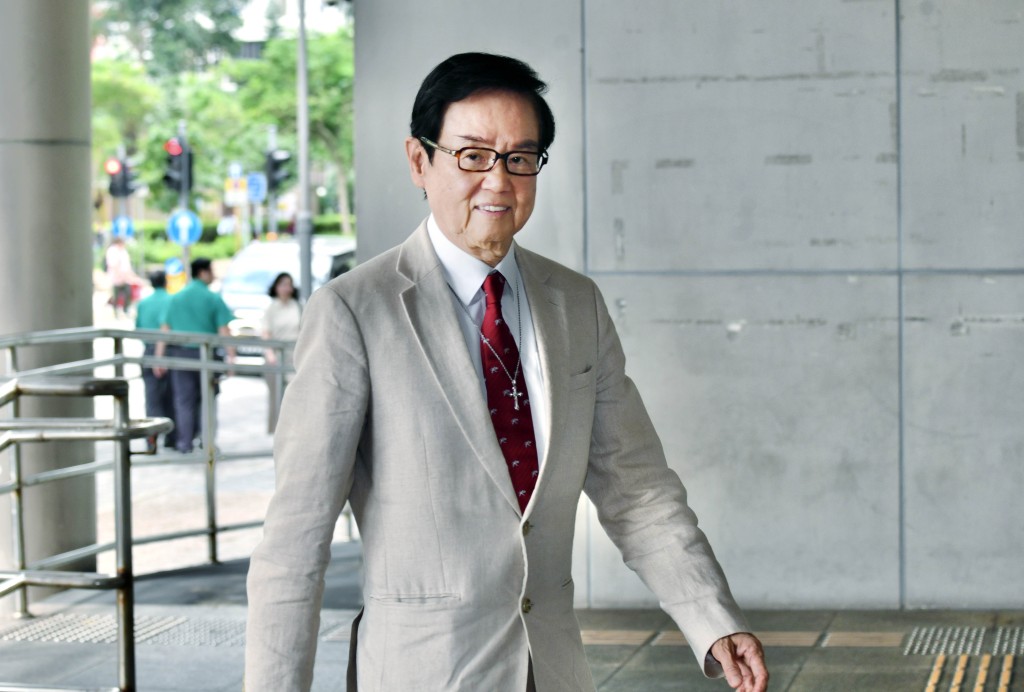
HK movie producer Raymond Wong Pak-ming convicted of insider dealing
22-05-2026 17:10 HKT
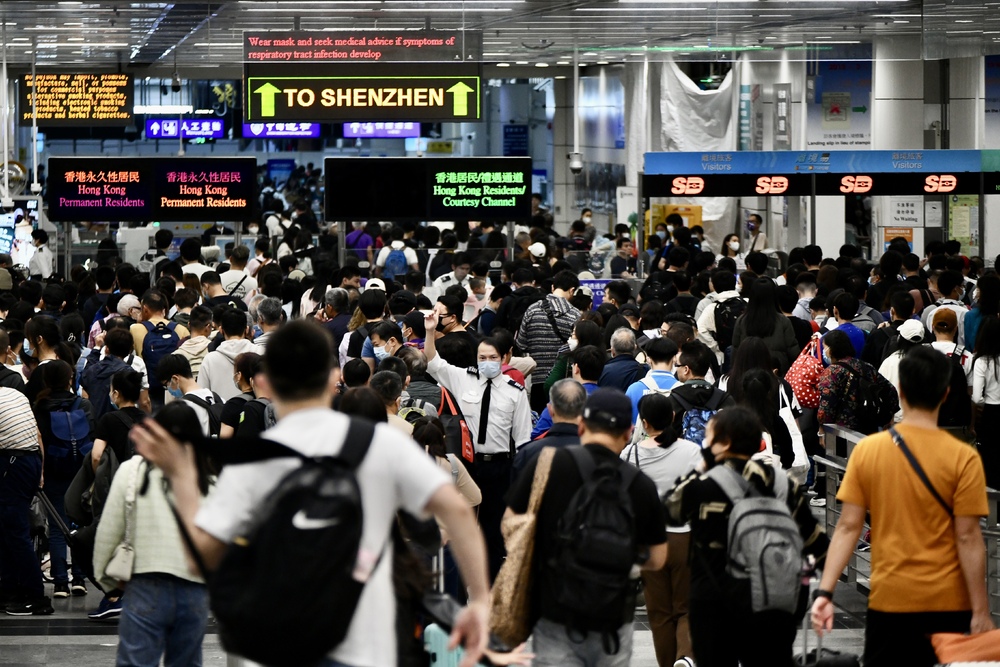
Shenzhen Bay Port will operate around the clock from February 9 to 13, and Lo Wu control point will open until 2am on February 9 and 12.
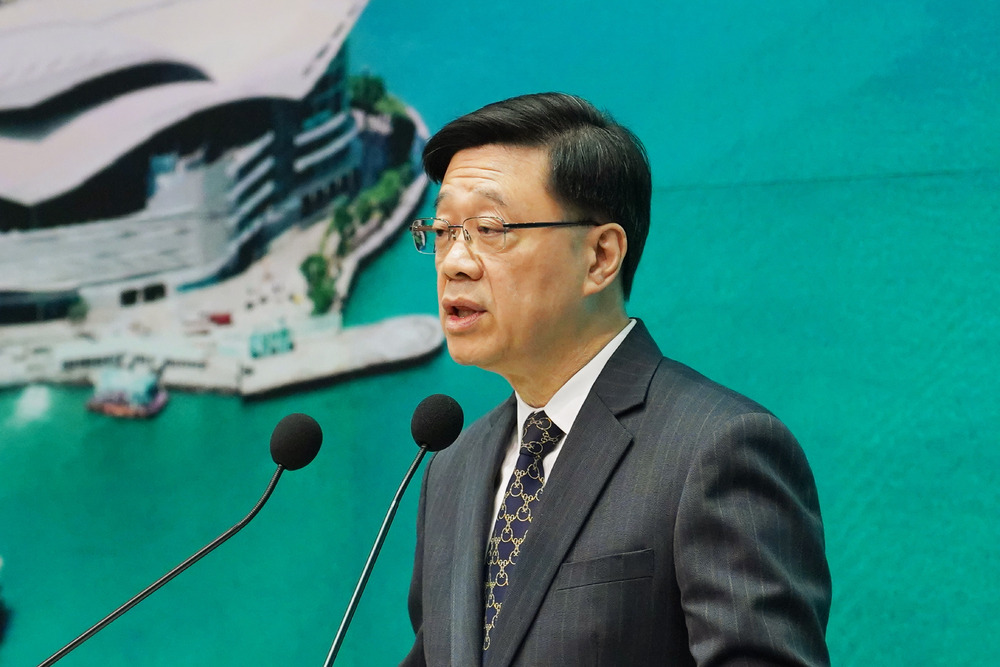
Chief Executive John Lee Ka-chiu announced the arrangement after his administration and mainland authorities agreed to extend operating hours for people to cross the border during the Lunar New Year holiday.
Lee also said the MTR will extend the East Rail Line service.
Lee thanked Shenzhen officials for agreeing quickly to the arrangements.
"This shows Hong Kong and Shenzhen are working closely together and that we share the same goal of valuing the citizens' and tourists' feelings," he said.
"Lunar New Year is an important day for Chinese people, so the government will make every effort for it to be a pleasant experience for everyone."
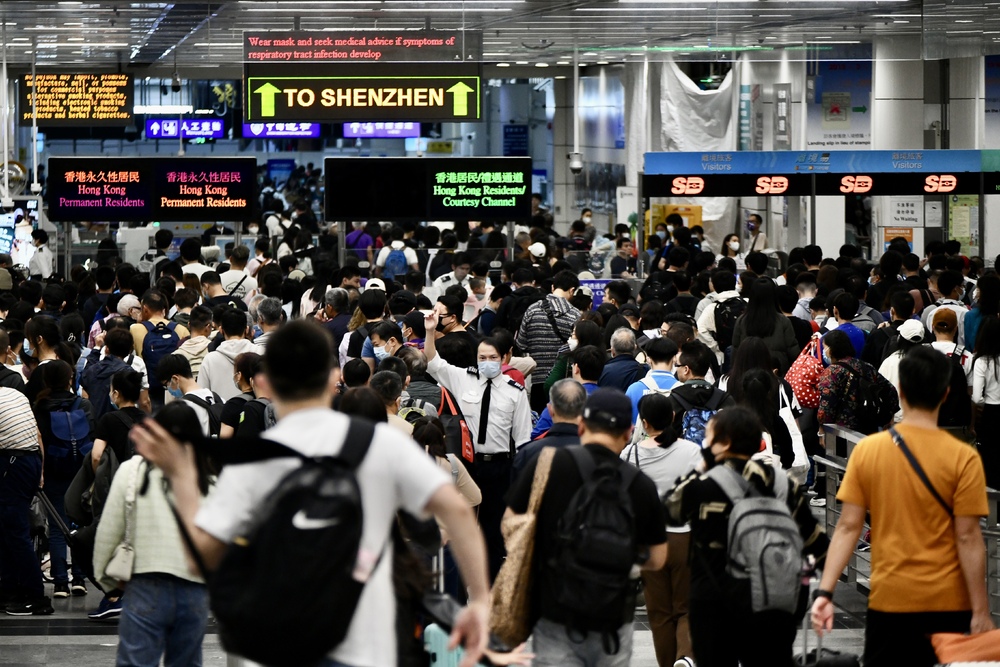
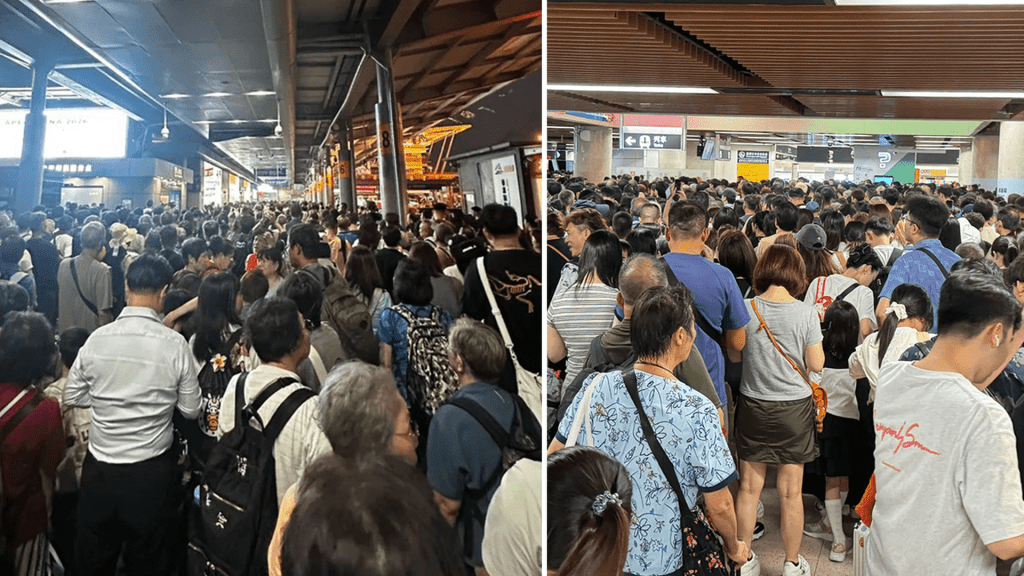
The announcement comes after a large group of mainland tourists were stranded in rail stations and control points following the New Year's Eve countdown fireworks.
Currently, only Huanggang port and the Hong Kong-Zhuhai-Macao Bridge operate over 24 hours. Citybus will introduce two new routes, NB3 and NB3X, connecting Tuen Mun and Shenzhen Bay Port on days when the border is open for 24 hours.
Additionally, Citybus will operate a special route, 976S, during the holiday, offering late-night transportation from Causeway Bay and Central to San Tin.
To handle increased passenger traffic during busy periods Citybus will also deploy reserve buses at control points that can be put into service fast.
Similarly, KMB has applied to the Transport Department to add route N276, providing transportation between Tin Shui Wai and San Tin.
Furthermore, KMB plans an overnight route from Tsim Sha Tsui East to San Tin, passing through Tsim Sha Tsui, Yau Ma Tei, Mong Kok, Sheung Shui and Fan Ling to help visitors enjoy Lunar New Year activities in Tsim Sha Tsui.
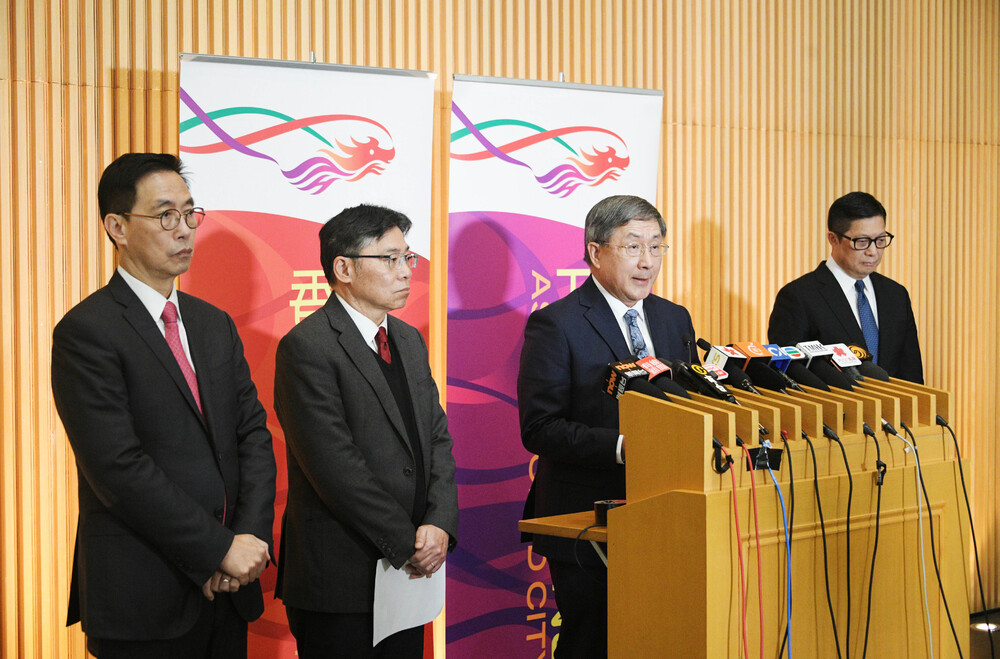
Acting Chief Secretary for Administration Cheuk Wing-hing said various transportation methods can provide 80,000 passenger trips from 9pm to 1 am each day after the celebration events on February 9 and 12.
This capacity is deemed sufficient to accommodate people heading to the mainland.
Wholesale and retail sector legislator Peter Shiu Ka-fai said extending border service hours can benefit retail, catering and tourism sectors, and he hopes shops will increase manpower and extend hours to attract tourists and boost spending.
But he acknowledged this might result in some Shenzhen tourists not staying overnight in Hong Kong.
Representatives from the hotel industry said extended operating hours will not impact significantly on their businesses.
Alan Chan Chung-yee, chief operating officer of Miramar Group, said mainland visitors in Hong Kong during the Lunar New Year typically travel from northern regions to escape the cold weather and "usually arrive by high-speed rail or air. These visitors are unlikely to return on the same day."
Lau Kung-shing, chairman of the Hong Kong Tourist Guesthouse United Association, said Lunar New Year is a longer holiday compared to others and visitors do not need to rush to arrive and leave on the same day.
At the Shenzhen Bay Port yesterday, a small number of travelers were observed, mostly retired elderly citizens and cross-boundary students.
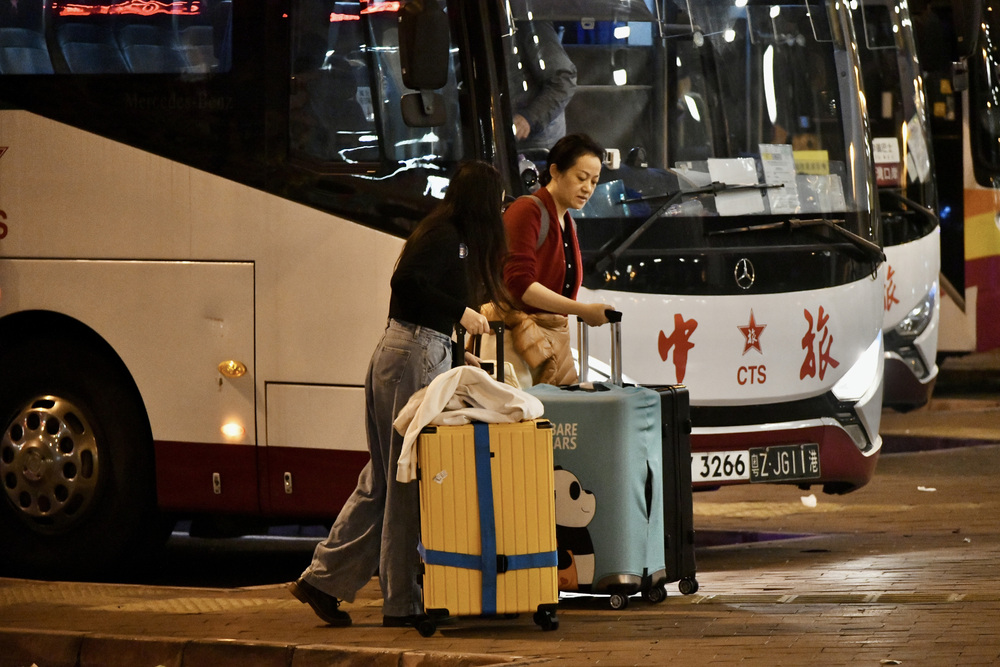
Tourism coaches were waiting near the port to transport Hong Kong visitors to Zhongshan, Dongguan and Xinhui for tours.
Some drivers said their coaches will not operate overnight during the holiday as they anticipated increased travel from Hong Kong to the north but not a surge in mainland tourists heading to Hong Kong.
A salesman of a bakery near Shenzhen Bay Port expected 20 percent more customers from Hong Kong during the holiday but it will not open overnight in light of the new arrangements.
A person in charge of a claw machine store said she would do business as usual during the holiday without raising prices and but would be ready to extend the open hours according to the flow of customers.
stacy.shi@singtaonewscorp.com