Read More



Night Recap - July 2, 2026
1 hour ago







John Lee thanks wife for unwavering support after four years in office
01-07-2026 13:21 HKT

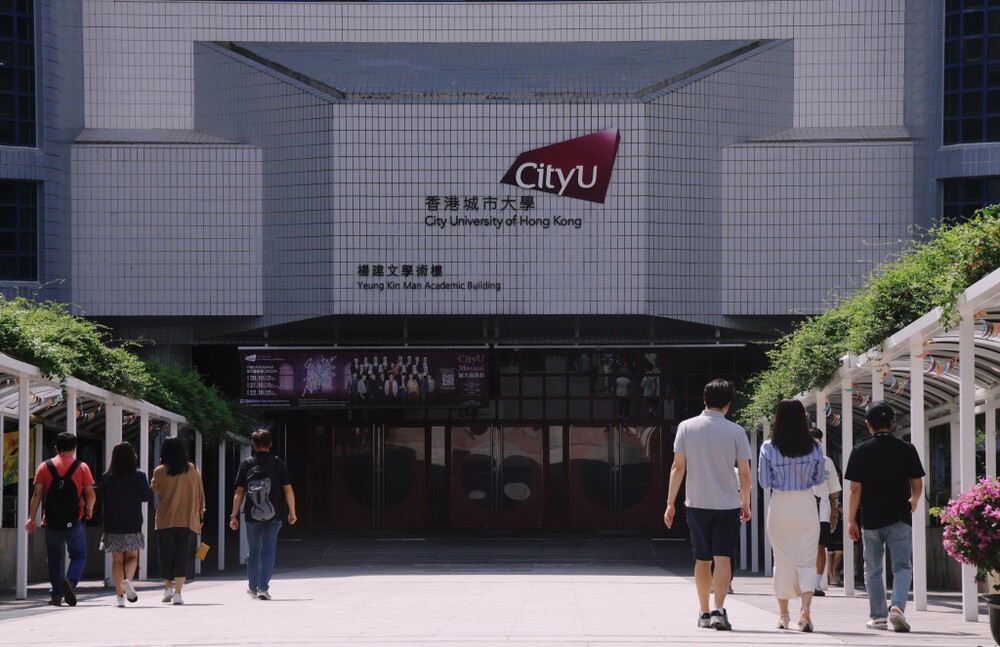
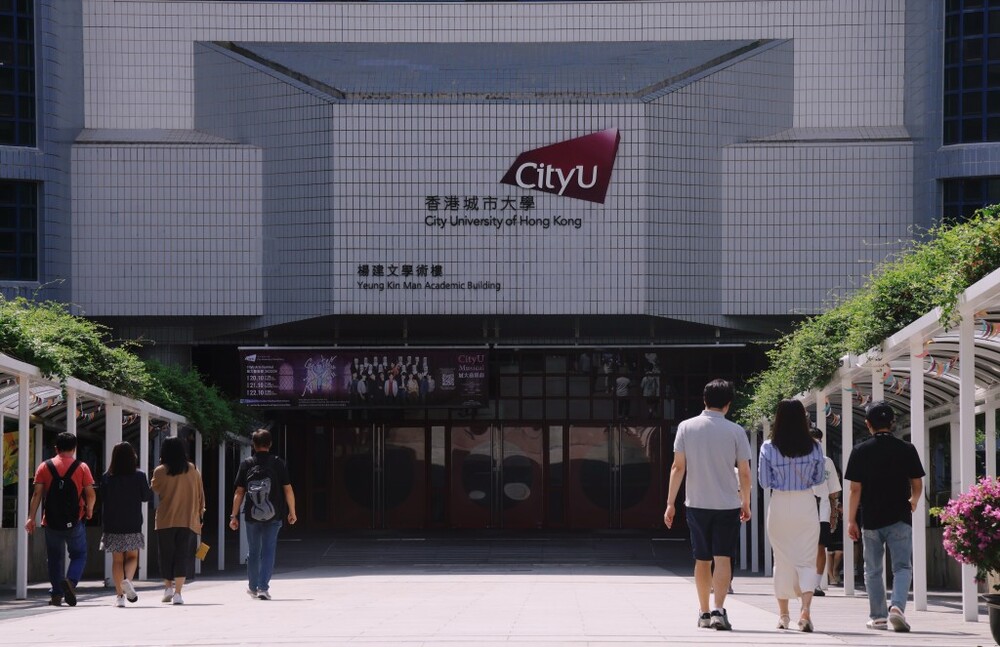
City University is introducing an exciting new program called pathway for research, innovation, and multinational engineering aimed at attracting top-performing science, technology, engineering, and mathematics students by offering scholarships and tuition fee exemptions.
According to associate dean Tony Feng Shien-ping of the College of Engineering, students, to be admitted, must have excellent Diploma of Secondary Education results in six subjects, which include all core subjects, and at least level threes in two elective subjects such as biology, chemistry, physics, design and applied science.
PRIME will start in 2024/25, with the first intake being 10 or so. Currently, six students can enroll in it via the Joint University Programmes Admissions System.
PRIME students can choose their major from the college's seven departments and, upon admission, will also receive a conditional offer for its master's degree program.
Scholarships will be awarded based on performances in public examinations, interviews, or STEM-related competitions.
They will cover various expenses, including those involved in direct admission to the university's doctoral programs upon completion of the bachelor's degree, full or partial exemption of fees for the four-year undergraduate program, and exemption from dormitory fees.
PRIME also offers subsidies for students to pursue overseas studies or internships. This allows students to participate in internship programs at international enterprises or visit top universities abroad.
Its objective is to cultivate exceptional engineering talents for industry by enabling students to acquire professional knowledge as early as possible.
The Hong Kong Institution of Engineers has previously estimated there is a shortage of 3,000 engineers in the industry due to an expected increase in construction projects over the next 10 years.
Feng said the construction sector might need to rely on overseas talent for top positions in the short term.
The first batch of PRIME graduates is expected to graduate in approximately five years.