Read More

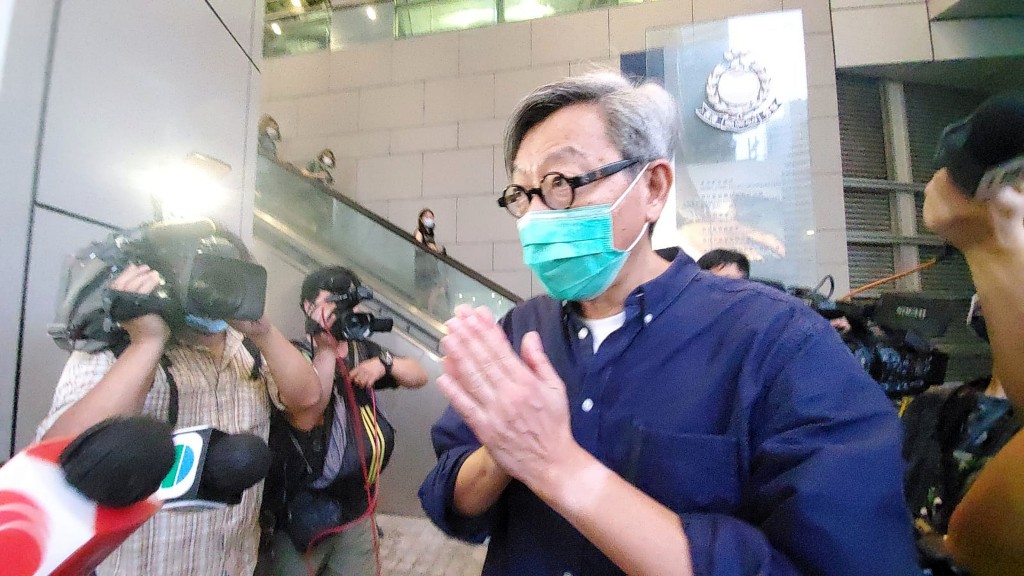
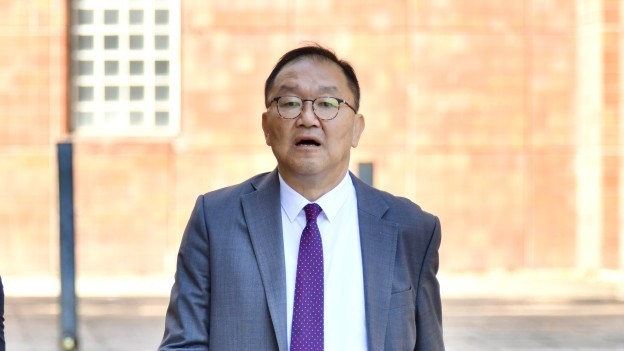
Apple Daily turned into an anti-government and anti-Beijing newspaper in Hong Kong after the 2014 social movement, also known as Occupy Central, the newspaper's former publisher told the court yesterday on the 11th day of Next Media founder Jimmy Lai Chee-ying's trial.
Cheung Kim-hung said Lai, 76, used Apple Daily to appeal to Hongkongers to take to the streets during the 2019 social unrest and draw attention from the West in calling for foreign sanctions.
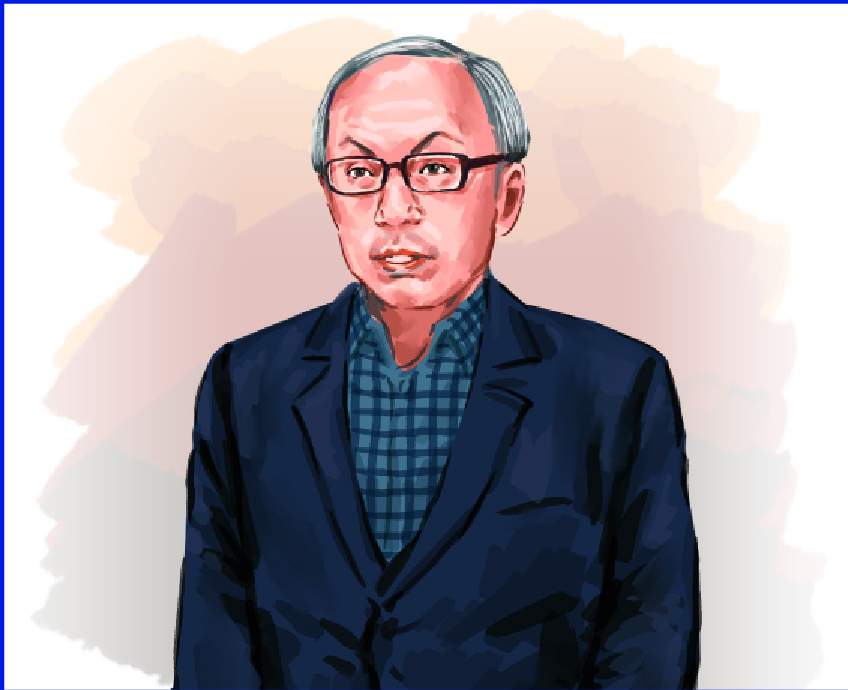
Testifying as the prosecution's first accomplice witness at West Kowloon Magistrates' Court, Cheung, 62, said Lai's image of pursuing democracy and his anti-tyranny position had been very clear.
Cheung is among six former Apple Daily executives charged with colluding with external elements to endanger national security. Cheung pleaded guilty on May 17, 2022.
The five others are editor-in-chief Ryan Law Wai-Kwong, executive editor-in-chief Lam Man-chung, associate publisher Chan Pui-man and editorial writers Fung Wai-kong and Yeung Ching-kee.
Chan and Yeung will also testify as prosecution accomplice witnesses.
Lai is the "top leader and ultimate decision-maker" of the group, said Cheung, who was also the CEO of Next Digital, responsible for executing the instructions from Lai and the group's board of directors.
Cheung said Lai set out the editorial policies of Apple Daily since the second half of 2014, during the Umbrella Movement.
Cheung, the editor-in-chief of Apple Daily between April 2011 and December 2014, said the protest in 2014 to call for an electoral reform had marked a "watershed" in the paper's editorial policies.
Cheung said: "For a large part of 2014, Apple Daily was like a newspaper that opposed the government and central authorities."
He recalled that during the Umbrella Movement, Apple Daily had recreated a Chinese version of Do You Hear the People Sing? from French musical Les Miserables, and Lai had joined in singing the song in a video uploaded to the newspaper's platform.
Cheung said he felt the editorial policies had further changed when the government announced to amend the Extradition Law in 2019.
Senior management of Apple Daily would hold a "planning meeting" every Tuesday and management would also convey Lai's editorial directions to the staff, including writer Yeung, who was in charge of the newspaper forum section, Cheung said.
He added that senior staff of Next Digital's publications, including print and digital forms of Apple Daily, Next Magazine, and the advertising department, would take turns attending "lunch box meetings" held by Lai every Thursday.
The number of attendees was about 10 to 12, Cheung said, adding he had attended every lunchbox meeting as the CEO of Next Digital.
Judge Alex Lee Wan-tang asked if the print and digital forms of Apple Daily operated separately. Cheung said: "You can say so." But he added many of the articles to be published in newspapers were originally from the online platform.
Lai would express his views on current situations and political stance, and he would also tell his colleagues about the editorial directions to be adopted.
He said Lai said the amendment bill had infringed the democratic freedom and human rights of Hongkongers, and that the bill was to "send disobedient Hongkongers and those who were seen as a thorn in the government's side back to the mainland."
He cited Lai as saying the business sector was very much concerned about the bill and that media would not survive if the law was enacted, and that Apple Daily "should be used to call on people to take to the streets to demonstrate, and to put up resistance."
Cheung said Lai also had a view to get the attention of "Western democratic countries," hoping they could provide support or even take stronger actions such as imposing sanctions, to "scare them [officials in Hong Kong and China] off and to prevent them from acting wantonly."
Cheung said Lai had said those statements during lunch box meetings and private meetings with him.
When the prosecution asked if Lai had set out the editorial policies of Apple Daily's column section, Cheung said the columns certainly had to follow Lai's directions. Commentaries to be published - namely "Ping Lun" - were all approved by Yeung, while Lai also recommended editorial writers who he found were "good" to Yeung.
Cheung said a total of four writers contributed to the "Ping Lun" section, including Yeung who used the pseudonym "Li Ping," former executive editor-in-chief Fung Wai-kwong, who used the pseudonym "Lo Fung," one writer known as "Fong Yuen" and another writer "Ku Lap".
Asked why Lai recommended Fong Yuen, Cheung said Fong's articles tended to be anti-government and included content against the Chinese Communist Party.
The trial will continue at 2.30pm today.
eunice.lam@singtaonewscorp.com