Read More
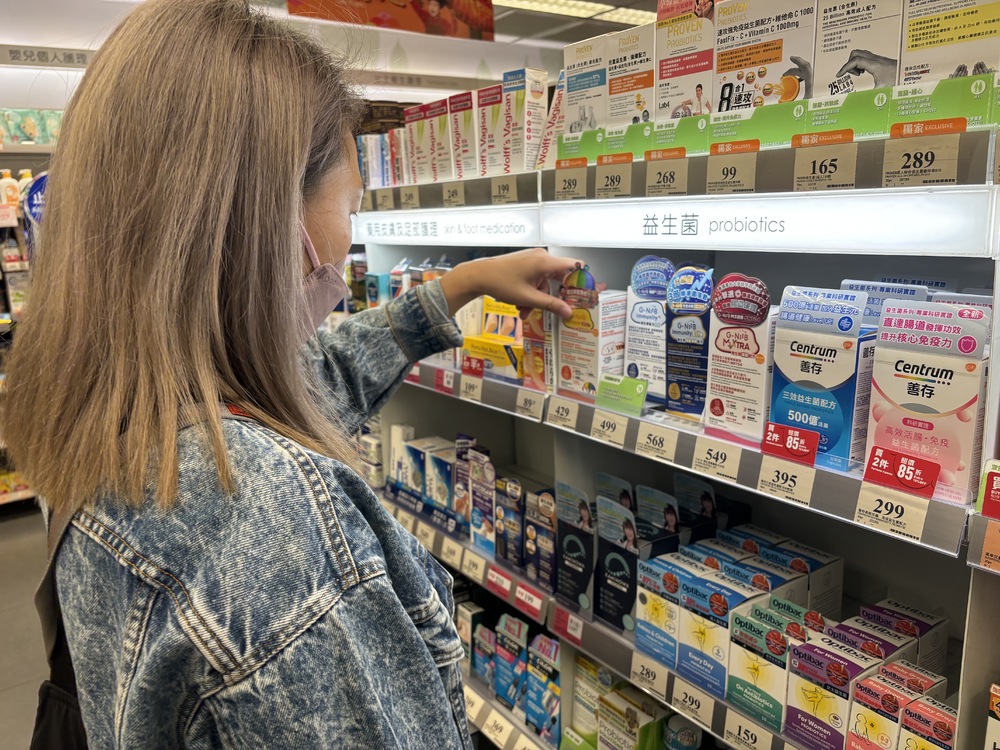
The Consumer Council has called on the government to regulate probiotics products as nearly two-thirds of them fail to adhere to proper labeling and could be fatal to newborns.
ADVERTISEMENT
SCROLL TO CONTINUE WITH CONTENT
The consumer watchdog evaluated 40 probiotics dietary supplements priced from HK$99 to HK$788 per bottle, but only found 15 clearly listing all strains of probiotics on the packaging, with one only labeled with the strain number, three only the genus, 20 only the species and one without any information about relevant probiotics.
The one with no information at all - G-Niib Immune Kids SIM03 - only states "comprehensive probiotics developed by a local university" on its ingredients list.
Council chief executive Gilly Wong Fung-han said the results were unsatisfactory as products should clearly label the genus, species and strain of probiotics as required by International Probiotics Association guidelines.
All 40 products carried health claims but the watchdog found that some of those, including boosting immunity, improving eczema and improving the health of women's intimate areas, were not supported by sufficient clinical evidence.
"Consumers with skin problems or other health problems should seek professional help from doctors first instead of taking probiotics on their own," Wong said, adding that improper use could harm their health, especially those who had surgery and have major illness.
Wong also called on people to pay attention to the side effects of newborns taking probiotics.
"The gastrointestinal tract of newborns is very delicate, and their absorption and immune functions are not yet fully developed," Wong said.
She cited the case of a baby who consumed a probiotics formula and died of sepsis caused by one of the probiotics last September in the United States.
Wong suggested parents feed newborns with only breast milk or infant formula and no other food.
The watchdog also found that two samples contained Enterococcus faecalis, which is considered "unstable" by the United Nations as it can easily be contaminated into pathogenic bacteria, so it is not recommended for consumption.
Hong Kong has no regulation on dietary supplements and functional foods, and the council urged the government to make reference to the regulatory approach of other markets, such as China, Canada and the United States, and set up relevant regulations.
Wong also urged people not to rely on probiotics to keep healthy.
"The public is advised to maintain a healthy lifestyle by consuming enough fruits and vegetables and exercising frequently," Wong said.
"Taking probiotics is not the only way nor the best way to maintain a healthy gastrointestinal tract and strengthen immunity."
ayra.wang@singtaonewscorp.com
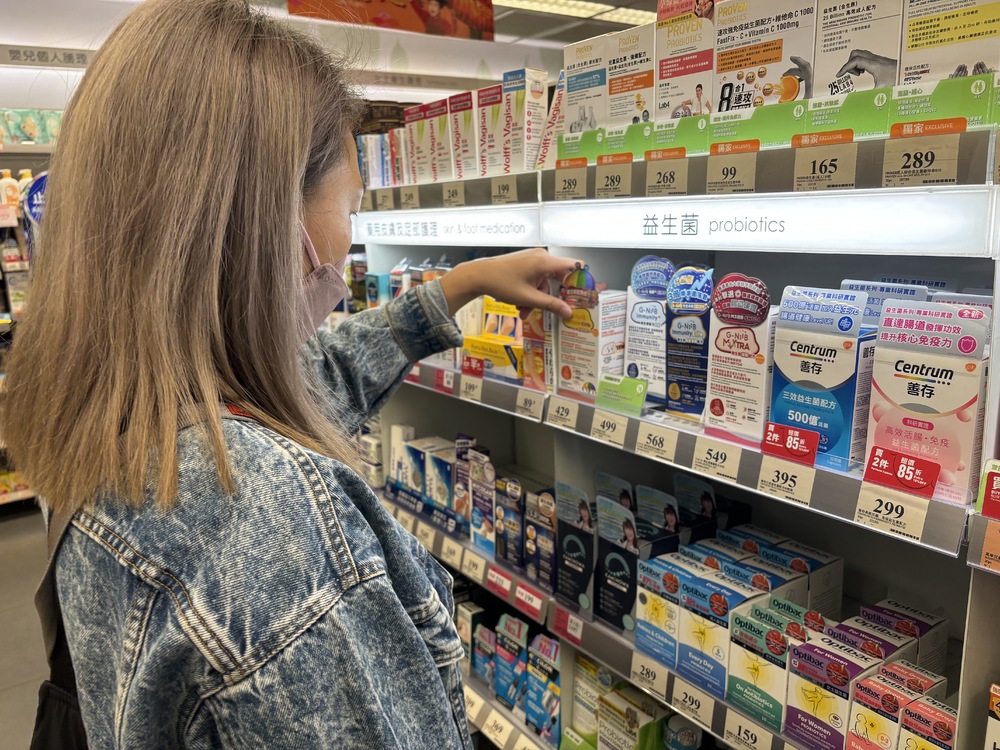
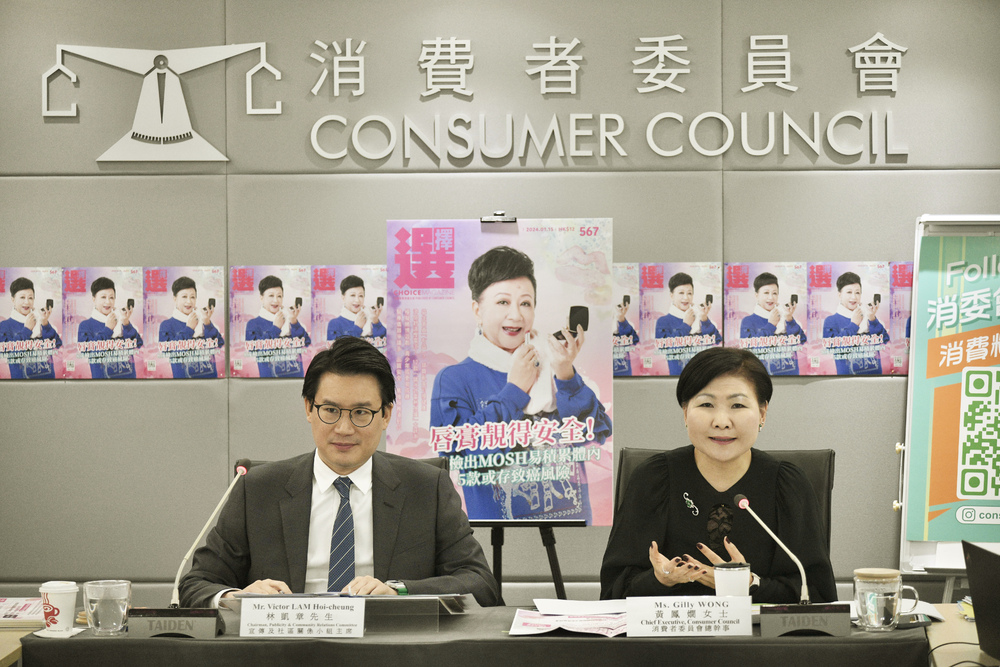
Many probiotics products do not follow international guidelines on labeling, according to Victor Lam and Gilly Wong. SING TAO