Read More
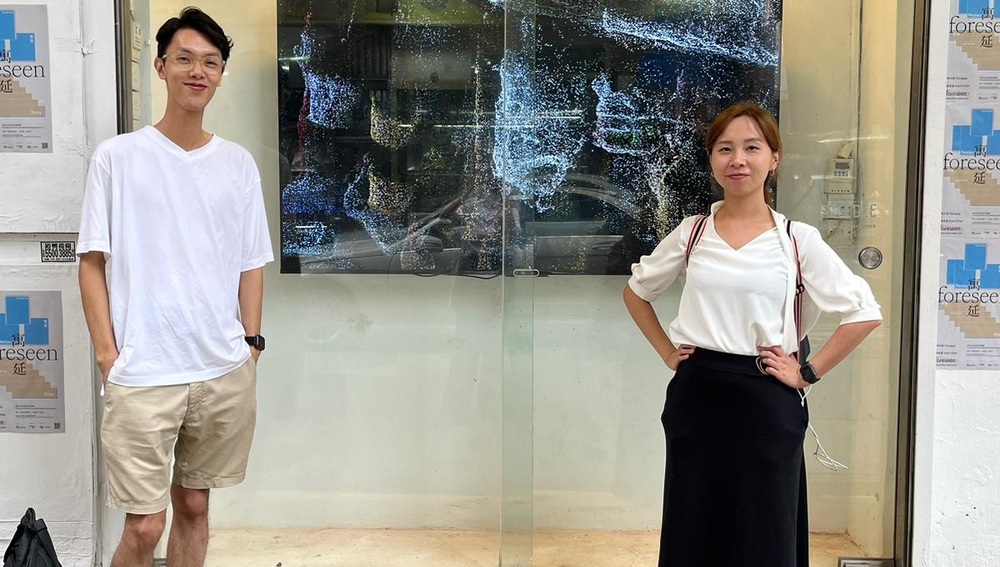
Baptist University visual artists have used three-dimensional scanning technology and artificial intelligence to ensure the look and memory of Hong Kong's most distinctive old shops are not lost in the race for modernity.
ADVERTISEMENT
SCROLL TO CONTINUE WITH CONTENT
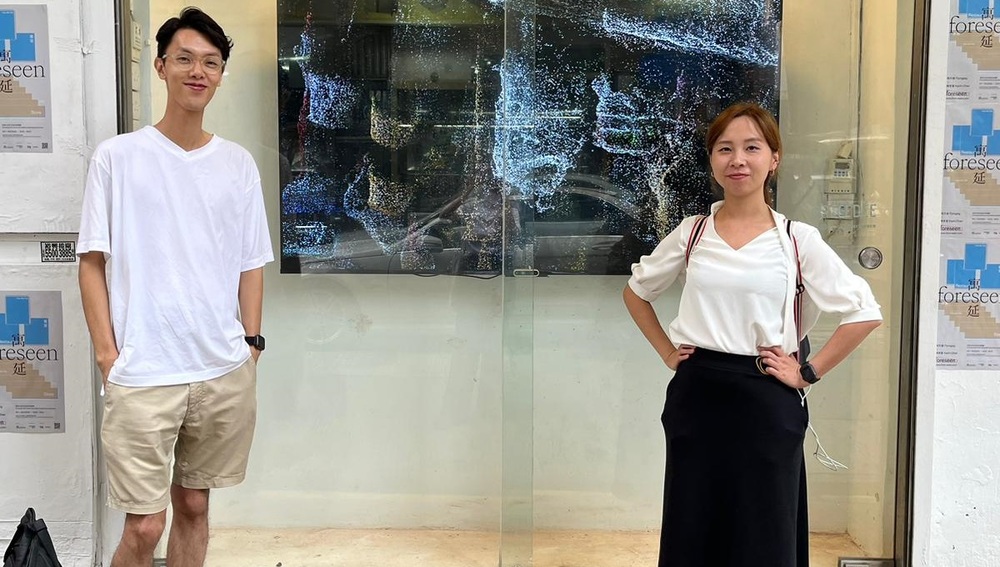
That saw its assistant Academy of Visual Arts professors Pat Wong Wing-shan and Chan Kachi go to 10 shops with decades of storied histories such as Chu Wing Kee grocery store in Sheung Wan, Shing Hing Tai Rice Shop in Shek Kip Mei and Mido Cafe in Yau Ma Tei to document their looks and stories in words, illustrations and videos.
They also taught owners to scan every corner of their shops and to capture their daily routines from a first-person perspective.
The team then created virtual 3D point cloud models of these shops by reconstructing the scanned data using AI technology.
Those virtual 3D point cloud models recorded exterior looks and interior spaces so people can view the shops from different angles.
People have until tomorrow to see these shops in a multimedia art exhibition in Anita Chan Lai-ling Gallery at Fringe Club in Central but can still view them online.
Said Chan, the project's technical director and a digital architectural artist who is also known as known as Flying Pig: "Points are the fundamental building blocks of geometry, with points forming lines and lines forming planes.
"By producing 3D scans, we 'quantify' memories and transform each shop into a virtual form consisting of two to four million points.
"This digitized format preserves spaces and memories, and revives the shops' appearances."
Also created was a real estate project for these virtual shops, in which each one's 3D point cloud model was divided into point data.
People can buy part of the data at the Fringe Club.
A portion of the sales revenue will be used to subsidize the relocation or closure of those old shops.
"Our goal is not to make money, but to stimulate thinking on the relationship between consumers, economic development and urban conservation, and raise awareness of the need to preserve valuable heritage through market mechanisms commonly used in an economic-centric city," said Wong, who is also project and exhibition curator.
"We also invited writers and documentary directors to create articles and videos based on the content of our exhibition, so that more perspectives will be available to formulate diversified opinions and heuristic viewpoints."