Read More
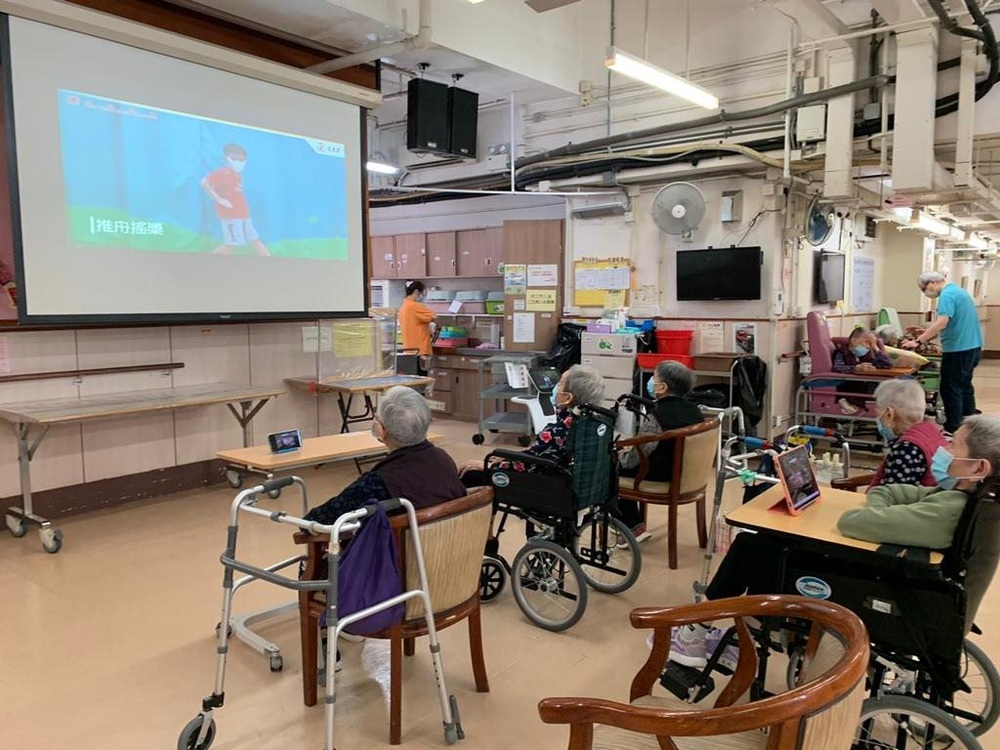
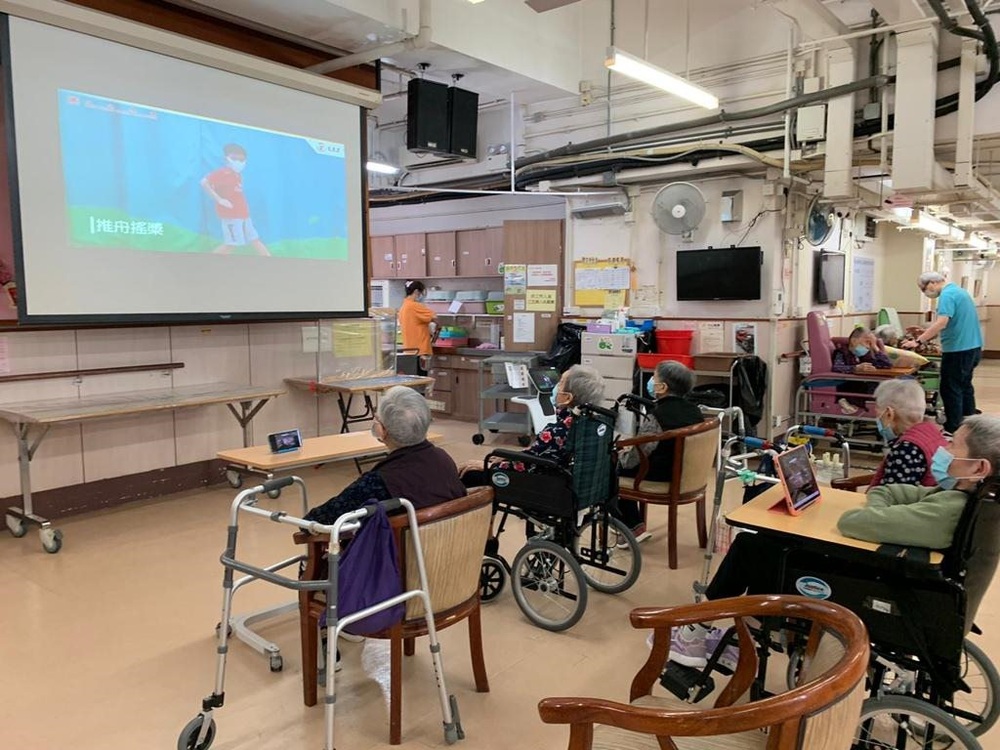
Some existing non-local workers at elderly care homes may have to leave the SAR as they failed to secure a quota under the latest imported labor scheme, causing a manpower gap at the homes, the Elderly Services Association's executive council member Grace Li Fai said.
ADVERTISEMENT
SCROLL TO CONTINUE WITH CONTENT
In response to a media inquiry, the Social Welfare Department said it has finished approvals for the first round of a special scheme to import 1,003 care workers for 173 residential care homes.
The scheme, launched in June, receives applications from private and self-financing care homes on a quarterly basis, with the quotas capped at 7,000.
Applications came in from 370 care homes for 2,162 workers - more than twice the 1,000 set out in the first round, for which applications ended in July.
Li said yesterday the sector has always had imported labor and it was unfair for it to be lumped together with industries that are getting non-locals for the first time.
"For our industry, quotas cannot be allocated on a first-come, first-served basis or by drawing lots, as we are not applying for labor for the first time like for 26 [low-skilled] job positions," Li said.
She felt the "first-come-first-approved" approach only benefited applicants who knew how to apply online.
Between last March and May, when the SAR was in the throes of the fifth wave of local Covid infections, the government implemented a time-limited relaxation that permitted the importation of foreign care home staff via the Supplementary Labour Scheme.
Li felt the new special scheme lacked convergence with the supplementary scheme, and might create a manpower gap in care homes' operation, as many of the workers who came to Hong Kong last year could not secure a quota.
"We have workers who are currently working here, if they cannot renew their contract before their visas expire, a manpower gap may bring a big hit to the services in care homes," Li said.
She added if care homes were not allocated quotas in the first round, they would have to wait for the scheme's later rounds this month and in December.
Even if the care homes succeeded in getting quotas, Li said it would take about two months for workers to arrive as authorities are handling excessive amounts of applications.
She cited two cases, one where a home that had 100 vacancies was allowed to import 15 workers and another with 300 vacancies, operated by the same company, was not allocated any at all.
"I don't know if it's better to be happy or sad," Li said.