Read More
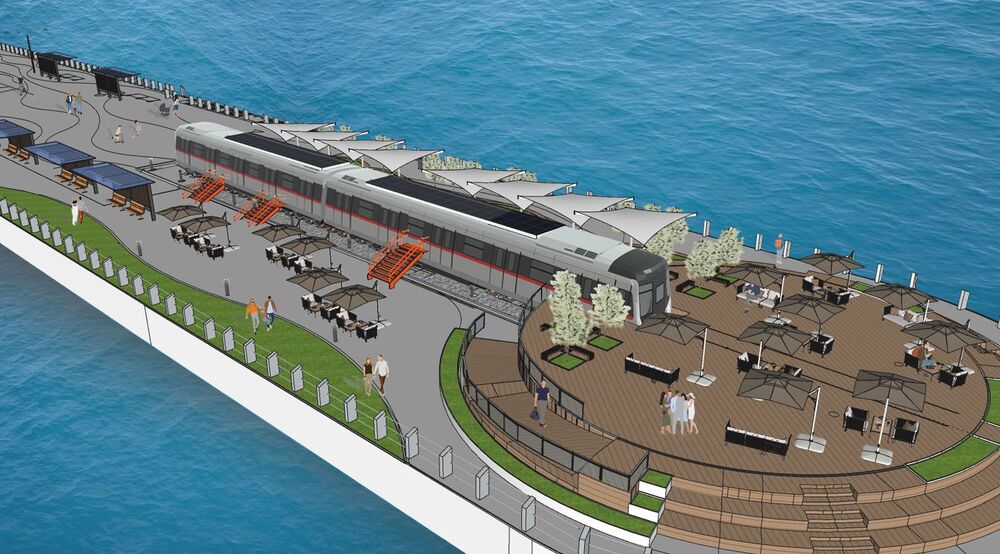
Train enthusiasts will be able to get on retired East Rail Line "Fly Head" cars again by year-end with the MTR Corp yesterday saying it will donate to the Development Bureau two revitalized train cars that will be relocated to the Wan Chai harborfront as an exhibition and event space for the public.
ADVERTISEMENT
SCROLL TO CONTINUE WITH CONTENT
The MTRC said it will work with the bureau to move those two carriages, which includes the rarely accessed driver's cabin, to phase 4 of the Water Sports and Recreation Precinct in the near future.
The cars will be decorated with a design discussed and agreed to by the MTRC after they are transferred.
It would like the two carriage to be a new landmark for the precinct.
The MTRC has started preliminary works for the move to Wan Chai, including laying tracks, sleepers and ballast at the designated location in the precinct.
MTR and bureau staff will also carry out a safety inspection for the train cars.
The rail company will also offer advice regarding their ongoing upkeep, and both parties will maintain close communication.
"The MTRC fully supports this project and hopes to provide usable space and beautify the harborfront by making good use of the retired trains," said operations director Tony Lee Kar-yun.
The project also commemorates the extension of the East Rail Line directly across the harbour via the fourth cross-harbor railway in Hong Kong.
"Although the 'Fly Head' trains were retired last May, we are delighted these two train cars can cross the harbour in another way, allowing the public, especially the younger generation, to understand their contributions to Hong Kong's railway service," Lee said.
The MTRC launched the "Legacy Train Revitalization Program" in 2021 to give retired carriages "a second life" by preserving the whole train, or recycling or upcycling train compartments and components, and to present the trains to the public in other forms.
As of yesterday, it has cooperated with more than 20 non-government organizations, social partners and government departments, and reused more than 500 pieces of decommissioned train parts.
For example, seats have been donated to senior centers, schools and public community facilities.
MTRC volunteer teams have also installed arm-stretching equipment transformed by train parts in homes for the elderly.
Some cars have been turned into train-themed classrooms, while some carriages were donated to schools for transformation into learning centers.
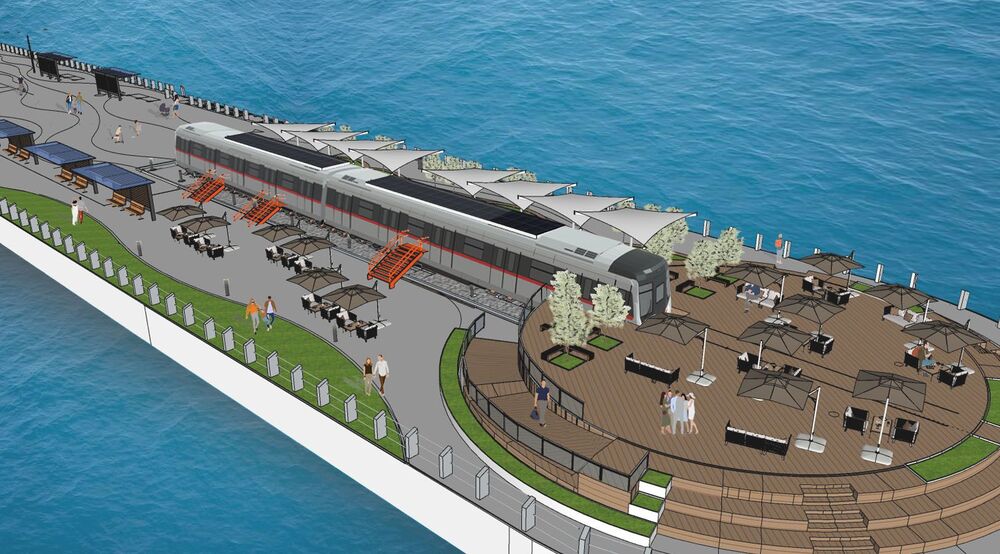
What the inside of the train cars will look like. Right: an artist's conception of the site that MTR workers are at work on.