Read More





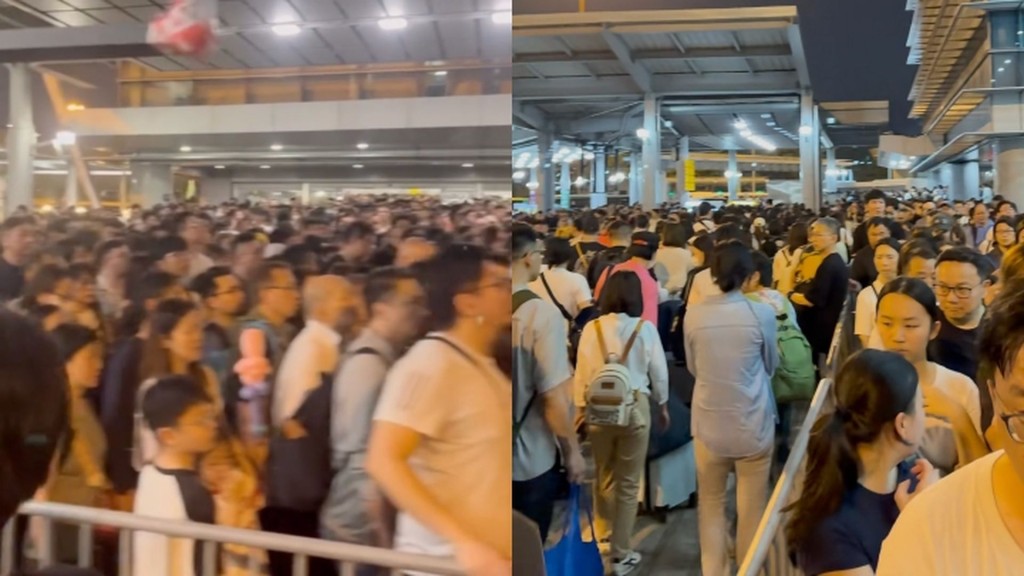
Long queues at border checkpoints as Easter holiday travellers return to HK
07-04-2026 02:45 HKT
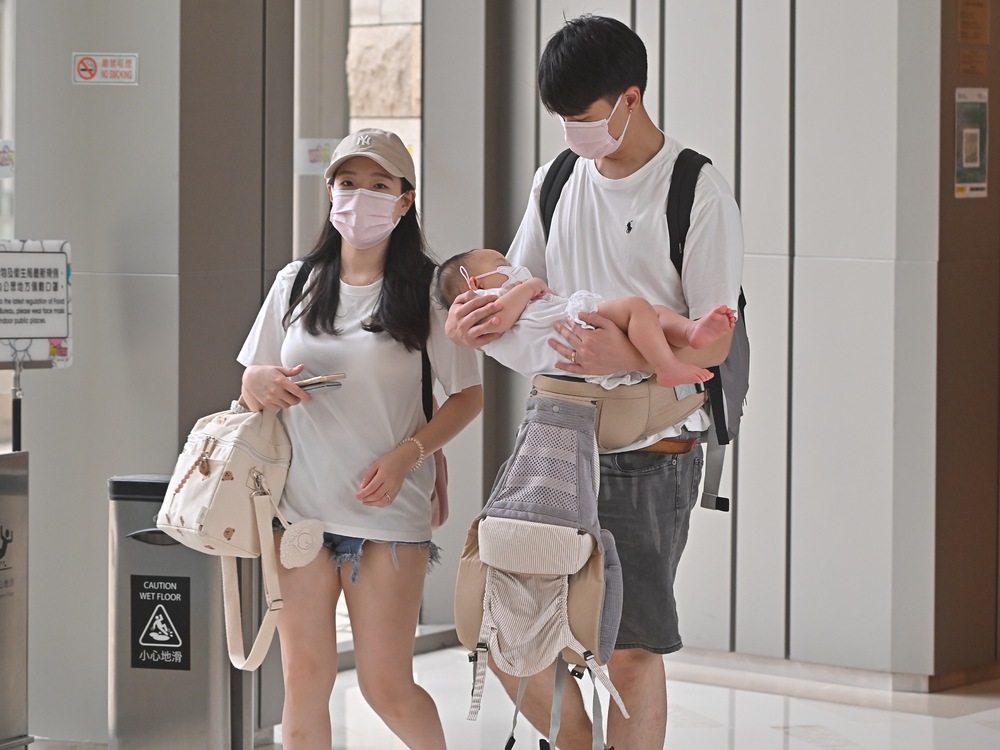
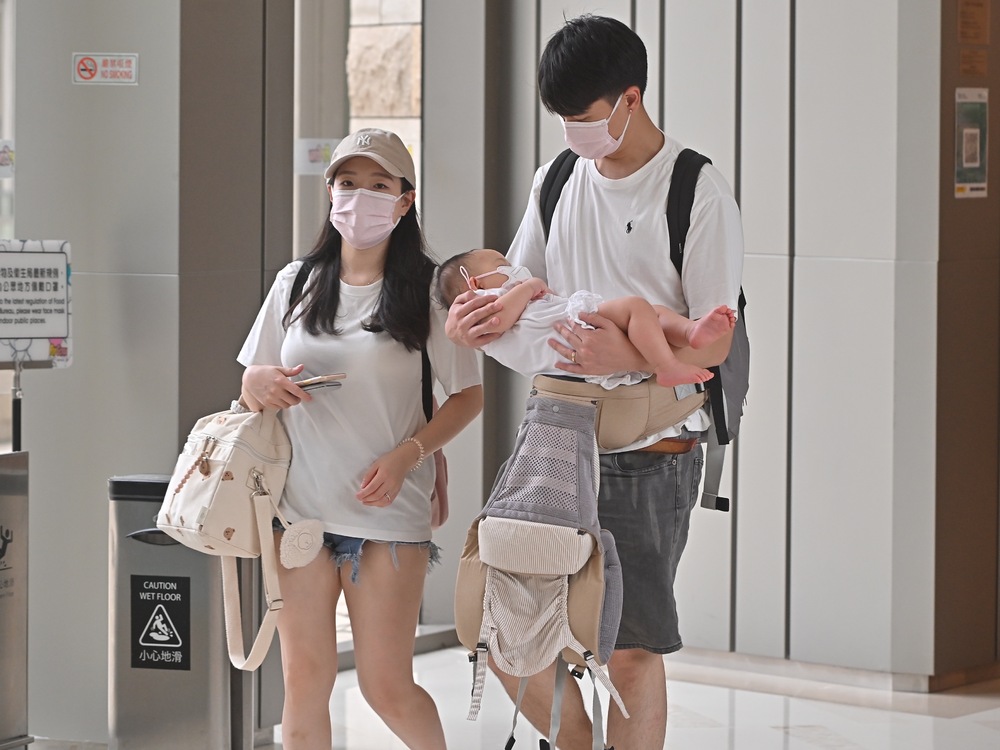
Standard Chartered Bank will extend its staff paternity leave and adoption leave to 20 weeks, from two weeks, on par with its maternity leave, starting tomorrow. And the government should take a close look as this could be one of the answers to the birth rate problem, says a lawmaker.
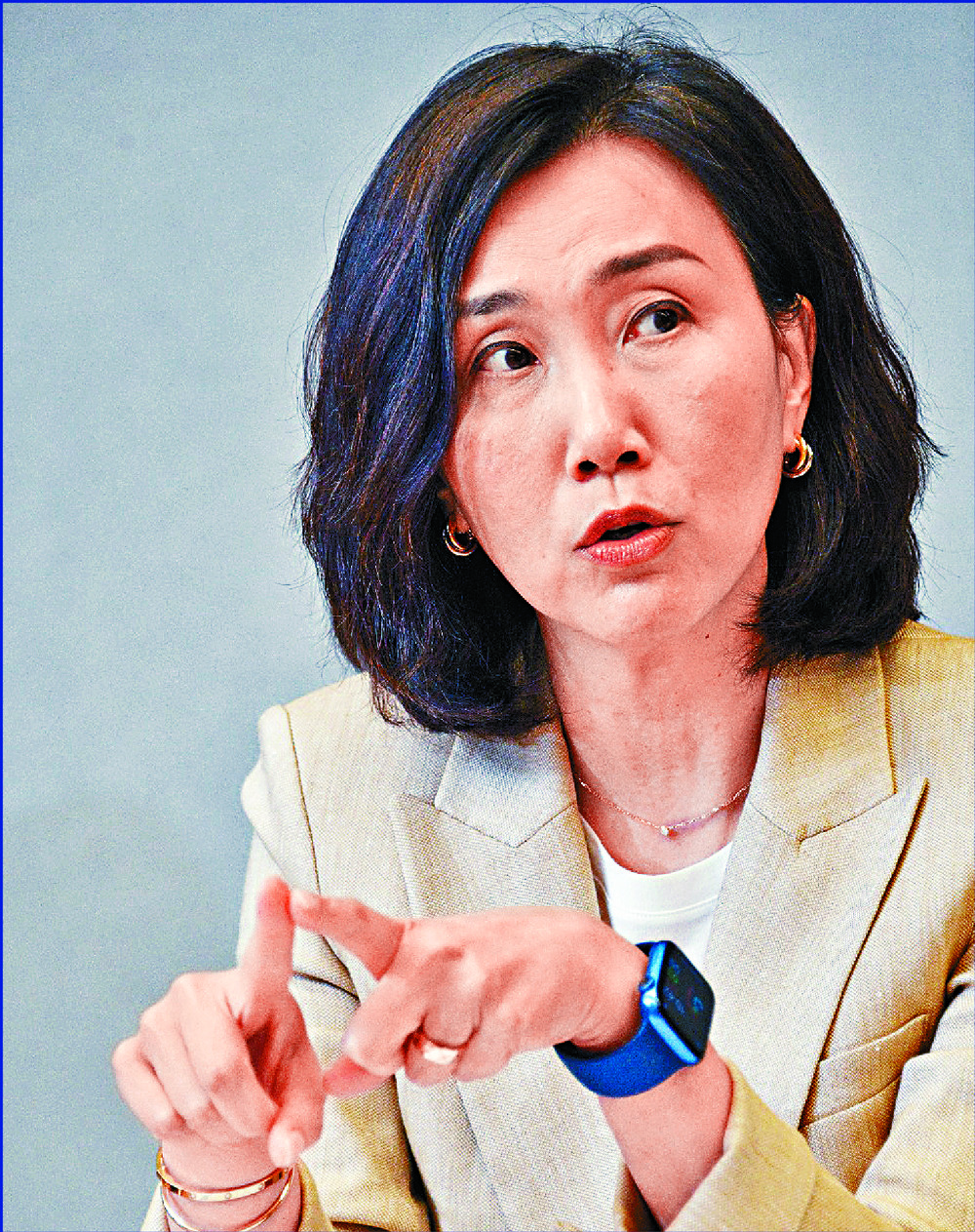
Mary Huen Wai-yi , the bank's chief executive in Hong Kong, said people are the bank's greatest assets and that the lender has been committed to promoting work-life balance and helping employees achieve their professional goals while taking care of their family.
"[This will] enable working parents to spend more time with their loved ones when they welcome new family members," Huen said. "We believe that promoting a family-friendly and inclusive work environment is essential for attracting and retaining exceptional talent."
The bank extended maternity leave to 20 weeks, from 12 weeks, in 2017 and allowed workers to work flexibly for family needs.
It has set up "mother's rooms" in multiple offices for breastfeeding purposes and restarted its "bring your kids to work" event, suspended during the pandemic, to let children learn about their parents' work.
Another major bank, HSBC, said it offers 16 weeks of fully paid maternity leave and adoption leave for full-time employees, while paid paternity leave is 10 days.
Currently, Hong Kong working mothers are entitled to 14 weeks of statutory maternity leave, but fathers only have five days off with pay.
The Labour Department told The Standard yesterday that the government has always been encouraging employers to launch family-friendly measures, including flexible working, and extra holidays to help workers achieve work-life balance.
"The government welcomes employers to offer their employees benefits above the statutory standards based on their operational needs and affordability," the department said.
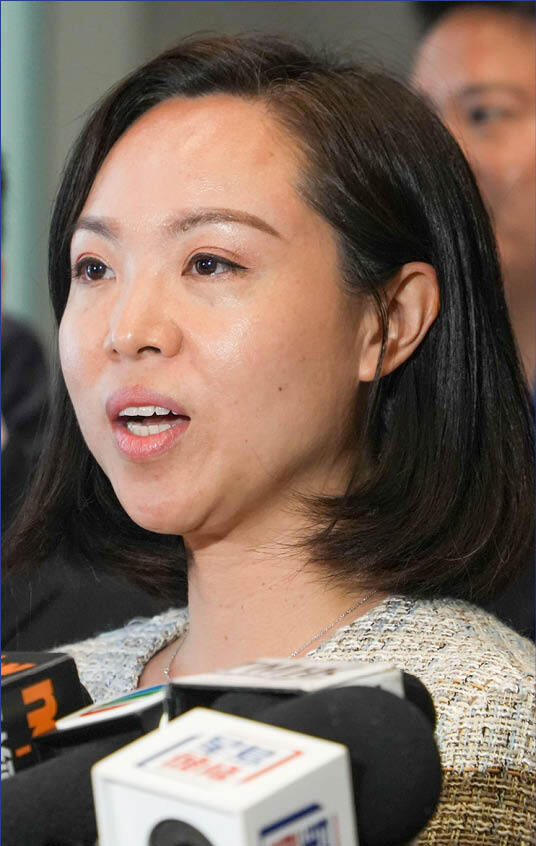
New People's Party's lawmaker Judy Chan Ka-pui, a mother of two, said she welcomes the bank's move as "moms really need their partner's support" after childbirth.
"Maternity helpers are very expensive, those who just cook meals cost HK$30,000 a month, and if you need them to stay overnight, it can get up to HK$80,000 to HK$90,000 per month," Chan said. "If the husband can be by his wife's side, it would be of great help."
She said a longer paternity leave will have a positive and encouraging effect on the fertility rate.
"There are a lot of factors parents will consider before having a baby - housing, education, parents' working environment and who is taking care of the baby. The increase in paternity leave is one of the factors that might encourage childbirth," Chan said.
She called on the government to take reference from this "aggressive and good example from the private market."
Chan added: "The government is always saying that it is the parents' own decision to have babies or not, and they have no way to intervene. But in reality, it is about the atmosphere," Chan said.
"I have heard from many mothers that raising a baby in Hong Kong is very hard, and the government should really consider why [the birth rate] in Hong Kong remains low.
"The government does not need to also give 20 weeks of paternity leave to civil servants, but at least take its effectiveness and reactions to the measure as a reference."
Hong Kong's fertility rate has fallen to a new low, with the average number of children per couple down to 0.91 last year, compared with the previous low of 1.49 in 2007, the Family Planning Association said.
The percentage of childless women last year was 43.2 percent - double the 20.6 percent in 2017, it added.