Read More


Hong Kong: a familiar, trusted partner for Australian businesses
11-05-2026 06:00 HKT
Xiaomi CEO Lei Jun takes selfie with Musk goes viral online
14-05-2026 23:39 HKT
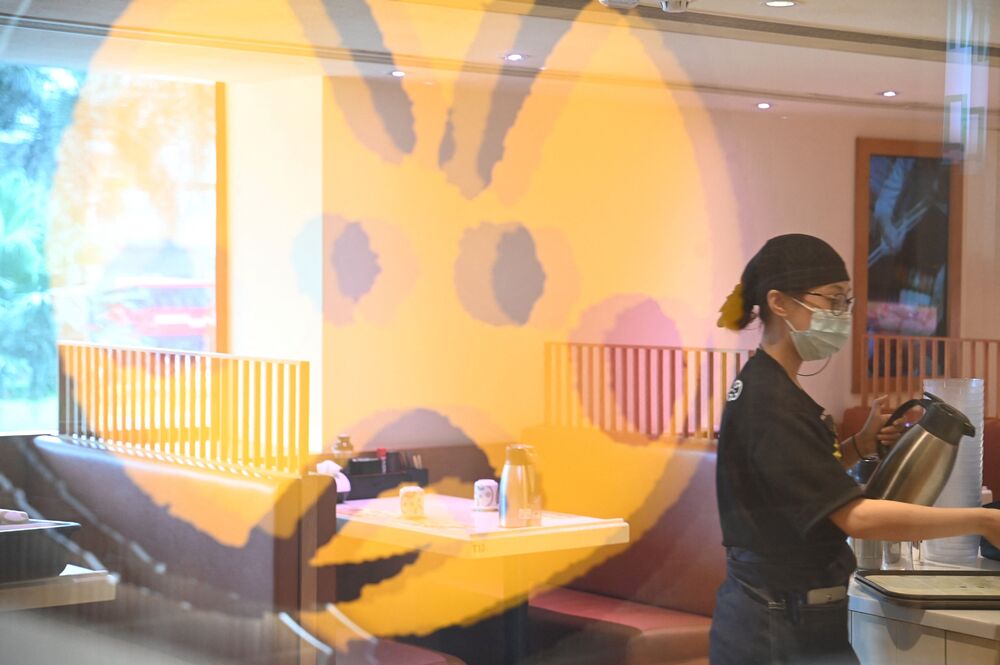
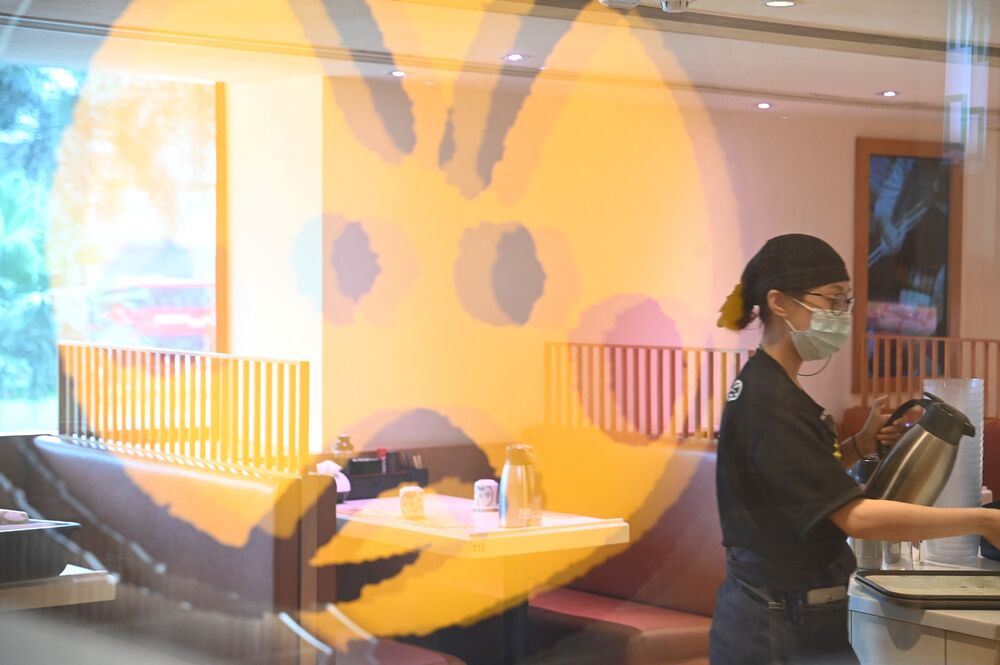
It's like another pandemic for some Japanese restaurants in Hong Kong, catering experts warn in the wake of measures against some prefectures.
A Japanese restaurant operator said Tokyo's decision to begin water dumping has scared around 10 to 20 percent of Hongkongers away from eating sashimi, and some eateries have seen business plunge by 30 percent since June when the plan was revealed.
Martin Chan Keung, a member of the board of directors of the Hong Kong Federation of Restaurants and Related Trades, said his three Japanese restaurants have seen business halved and need to close for part of the day to save costs.
He said about one-third to half of the 4,000 Japanese restaurants in Hong Kong may close within six months. Chan had planned to purchase radiation-detection devices to regain the confidence of diners, but dropped the idea after hearing from customers they would stop eating Japanese seafood for a while despite knowing food is safe.
Federation president Simon Wong Ka-wo said Japanese restaurants have found alternatives for most ingredients, except shellfish and deep sea fish.
But he said restaurants dare not increase prices despite costs increasing slightly.
Wong described the water discharge scheme as "another Covid pandemic" for Japanese restaurants.
Maxim's Group said it is not using ingredients imported from the 10 affected prefectures.
And it will be strict in following guidelines set by the Centre for Food Safety.
Some residents said they will stop eating Japanese seafood once the nuclear wastewater is being dumped.
A woman said: "I worry about food safety, so I've decided to have a last Japanese meal with a friend."
But a man said he is not worried about the discharge and anyway "it is difficult for me to identify if the ingredients are safe every time before I have a meal."
Some Japanese fruit vendors said sales have already dropped 10 percent after the discharge plan was announced, and shops are taking a wary approach for the Mid-Autumn Festival.
But travel agencies are not too worried about the ban affecting tourism to Japan.
EGL executive director Steve Huen Kwok-chuen said the ban is no longer news to Hongkongers and his agency's business has not seen a significant drop.
But Yuen Chun-ning, executive director of WWPKG, said: "The ban may worry some Hongkongers who are not that familiar with Japan."