Read More
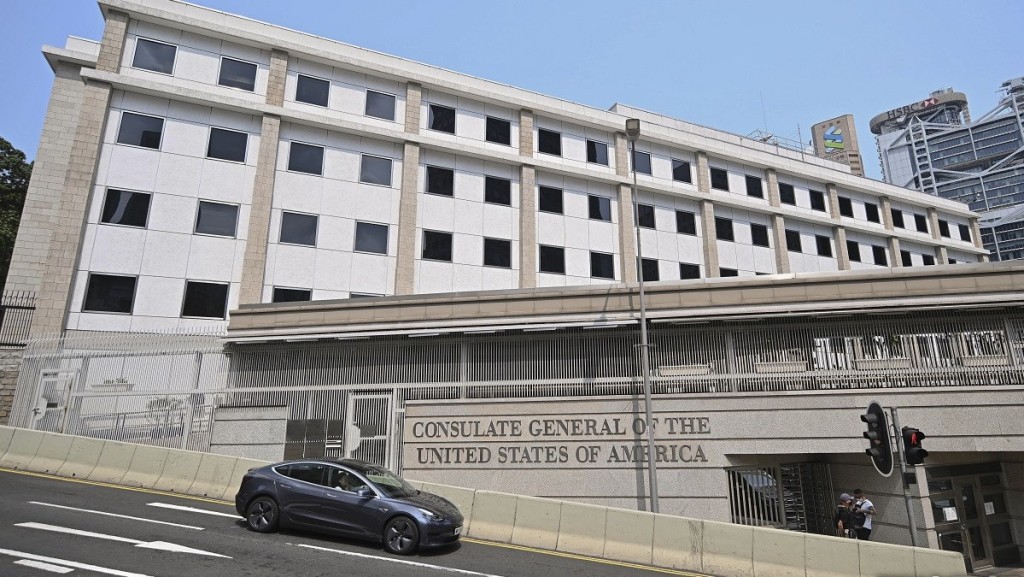




The court of final appeal has upheld a sentence for 26-year-old Lui Sai-yu after he was denied a one-third reduction for a guilty plea to a national security crime.
Yesterday's landmark ruling is expected to set the bar for other cases brought under the national security law, including 47 pan-democrats charged for organizing and taking part in unofficial primaries in 2020 for Legislative Council election that was later postponed.
Lui, who was attending Polytechnic University at the time, pleaded guilty in a district court last April to inciting secession under the law and was imprisoned for five years as his crime was categorized as being of a "serious nature."
But his guilty plea did not get him a one-third reduction - unlike in many other cases under Hong Kong's common law system - because the national security law imposed minimum terms of at least five years for serious offenses.
Lui's appeal was heard by a panel comprising chief justice Andrew Cheung Kui-nung, permanent judges Roberto Ribeiro, Joseph Fok and Johnson Lam Man-hon, along with non-permanent judge Patrick Chan Siu-oi.
Handing down their written verdict after almost two weeks of deliberations, they rejected Lui's argument that the five to 10 year term stated in the law is a starting point rather than the minimum.
They ruled that the minimum penalty of five years is mandatory for serious offenses relating to secession as stipulated under the law. Beijing imposed the law on Hong Kong in June 2020 in the wake of the 2019 anti-fugitive bill unrest.
"It is entirely clear the national security law prescribes the range of sentences available within the designated band. The appellant's argument seeks to attribute a meaning to the provision which the language cannot bear," they said.
They also rejected the argument that a lighter penalty can be imposed in cases that don't fall within the three conditions laid down under article 33 of the law: when a defendant voluntarily discontinues his or her offense, surrenders himself or herself or reports offenses by others.
The judges found the three conditions to be exhaustive and that the article does not include guilty pleas.
"The three conditions aim to encourage offenders not to go through with an offense and to assist the authorities in safeguarding national security and enforcing the law, with alleviated sentences as the incentive," the judges said.
"Article 33 does not accommodate mitigating factors, such as the guilty plea in the present case, unconnected with article 33's clear rationale of incentivizing conduct which promotes national security," they said.
The ruling may guide sentencing in other national security cases, including that for 31 of the 47 politicians and activists who pleaded guilty to subversion charges for alleged involvement in the 2020 primaries.