Read More







Night Recap - September 17, 2026
7 hours ago




Officer injured in 2005 knife attack dies after over 20 years paralysed
17-09-2026 00:27 HKT

Naked woman spotted strolling through Lan Kwai Fong late at night
16-09-2026 18:04 HKT
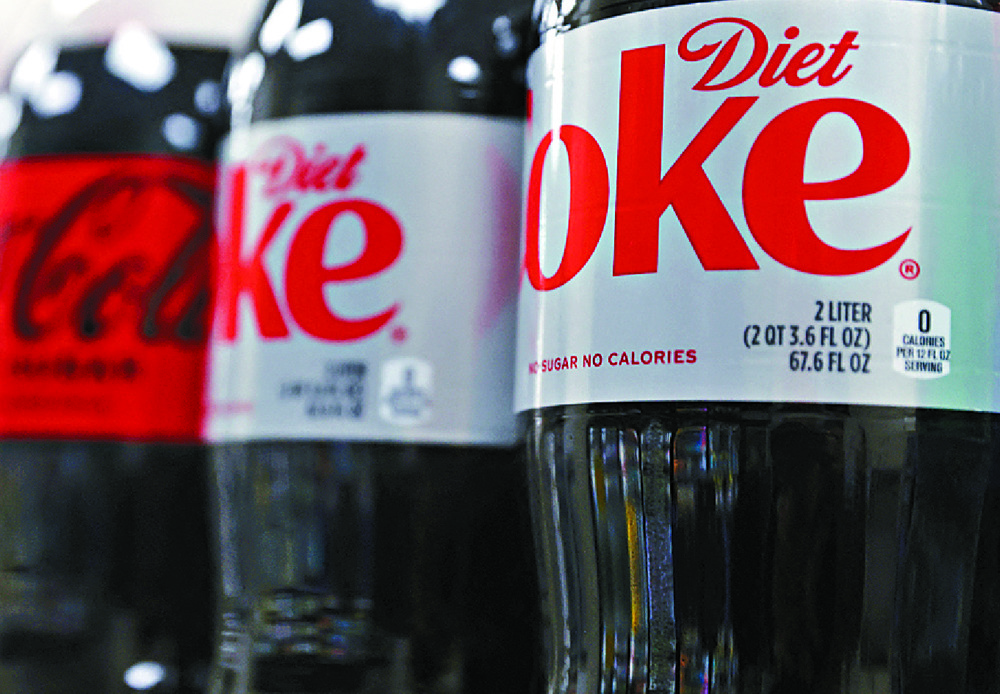
It is still safe to drink Diet Coke as long as people are not addicted to the drink, a Hong Kong expert said, as the World Health Organization's cancer research arm is set to declare aspartame, the most common artificial sweetener used in Coca-Cola diet sodas, a possible carcinogen.
Since 1981, the Joint WHO and Food and Agriculture Organization's Expert Committee on Food Additives has said aspartame is safe to consume within accepted daily limits.
JECFA, the WHO committee on additives, is also reviewing aspartame use this year. Its meeting began at the end of June and it is due to announce its findings on the same day that the IARC makes public its decision on July 14.
But associate professor Vicki Fong Lai-ying from the Department of Food and Health Sciences of Technological and Higher Education Institute of Hong Kong - a member institution of the Vocational Training Council - said people do not have to panic over the declaration.Speaking on radio yesterday, Fong said aspartame is 200 times sweeter than cane sugar, therefore, diet soft drinks only contain a very small amount of the sweetener and should not harm people's health.
Only those who are addicted to diet coke and use it to replace water may face health risks, she said.Fong added that aspartame dissolves in water and can be excreted by drinking water or sweating.
A Hongkonger, Allen, said he has opted for diet coke for five to six years as he wishes to reduce sugar intake and is concerned about the WHO findings.He said "it's a pity" that many restaurants in the SAR, including fast food chain McDonald's, do not offer healthier drinks and he has no choice but to opt for soft drinks with artificial sweeteners in a meal set.
But the IARC's decisions have faced criticism for sparking needless alarm over hard-to-avoid substances or situations."IARC is not a food safety body and their review of aspartame is not scientifically comprehensive and is based heavily on widely discredited research," secretary general of the International Sweeteners Association Frances Hunt-Wood said.
The body, whose members include Mars Wrigley, a Coca-Cola unit and Cargill, said it had "serious concerns with the IARC review, which may mislead consumers."The International Council of Beverages Associations' executive director Kate Loatman said public health authorities should be "deeply concerned" by the "leaked opinion" and warned it "could needlessly mislead consumers into consuming more sugar rather than choosing safe no- and low-sugar options."