Read More


Amber rainstorm warning issued at 11am
16 hours ago
Iran demands transit fees in yuan, stablecoins for Strait of Hormuz passage
03-04-2026 02:45 HKT
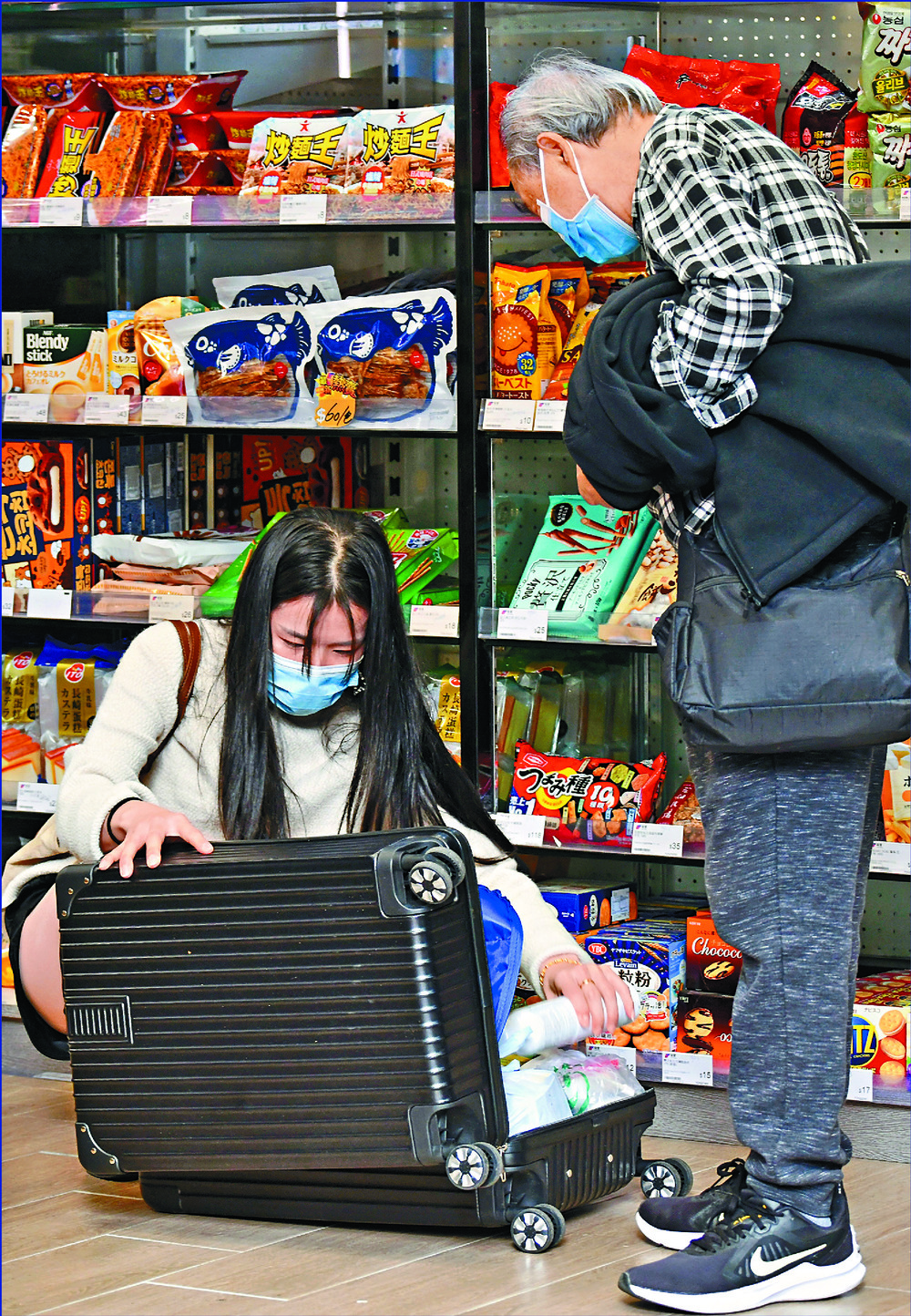
More parallel traders are bringing products from across the border to the city as fewer mainlanders would hire them to buy Hong Kong goods.
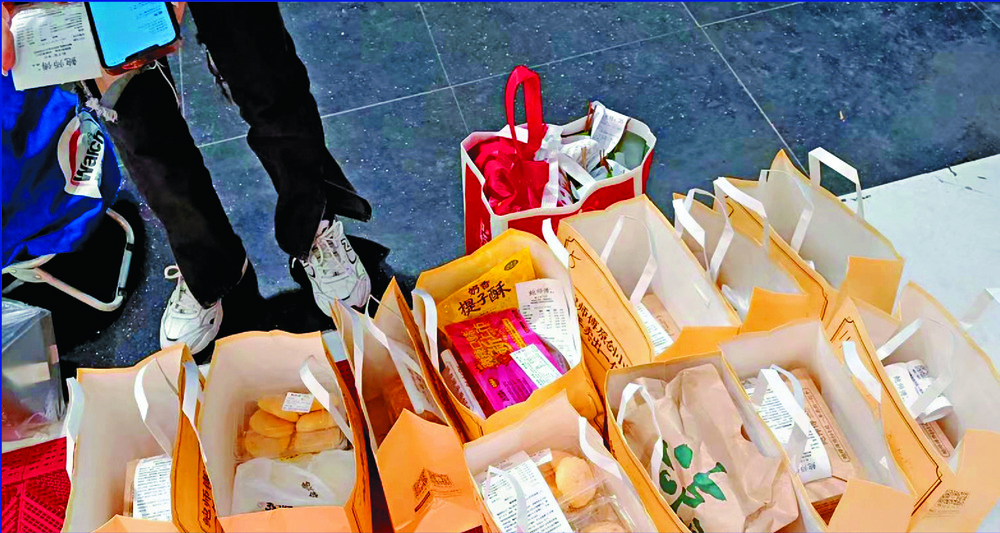
The parallel traders have switched to buying mainland snacks and food in Shenzhen and bringing them into Hong Kong, in a reversal of the prepandemic trend of buying luxury goods for mainlanders.
Popular mainland food includes meat floss cakes from mainland brand Bao's Pastry, or bubble tea, barbecue and braised meat from Juewei Duck Neck and Zhou Hei Ya.
A Hong Kong parallel trader, Joy, told Sing Tao Daily that two-thirds of her customers are new immigrants and mainland students in Hong Kong, while the rest are young Hongkongers who are interested in mainland cuisines.
Joy said she first posted an advertisement on Instagram-like social media Xiaohongshu and soon received 40 to 50 inquiries, most of them from female customers.
More local youngsters who started using mainland social media are attracted to mainland snacks and want to have a try, she added.
Another trader, a mainlander surnamed Chen, is also bringing mainland snacks to Hong Kong.
Chen is not a HK ID card holder and has to apply for a tourist visa to enter the city. But she lives near a visa center and it takes her only 10 minutes to get the visa.
She said she brings products to at least seven customers on one trip and can earn 30 yuan from each customer, meaning she can earn more than 200 yuan in one go. Most of her customers are Hongkongers aged 20 to 25.
Joy said she worked as a parallel trader for more than two years when she was studying at a Guangzhou university before the pandemic.
She used to cross the border every one to two weeks, bringing Hong Kong medicines, makeup and skin-care products for mainland customers. She earned 20 percent of the price of the products as commission and could make up to 2,000 yuan on one trip.
Ronny Tong Ka-wah, an Executive Council member and senior counsel, said bringing mainland or overseas products to Hong Kong for sale is legal as the city does not levy any customs tariffs. But he warned parallel traders may break other laws, including street obstruction.
Parallel traders hired by local companies to bring Hong Kong products to Shenzhen can earn HK$100 to HK$200 for one trip.
Some bring local food, pastry and milk powder. But their business has dropped as many mainland shoppers have reportedly lost interest in Hong Kong.
Many overseas brands have launched online shops on mainland e-commerce platforms such as Taobao and JD.com. The price of their products is similar to Hong Kong stores, or even cheaper during shopping seasons.
Statistics from consulting firm McKinsey & Co show Hong Kong may lose its advantage as a shopping center.
The company interviewed 1,100 Greater Bay Area tourists who are interested in visiting the city and found 15 percent of them will reduce shopping in Hong Kong and will purchase luxury products in Macau or Hainan.
wallis.wang@singtaonewscorp.com