Read More



Overseas arrivals in Hong Kong will be free today to visit restaurants and places that were banned before, as Chief Executive John Lee Ka-chiu yesterday announced scrapping the amber health code and adopting the "0+0" Covid arrangement.
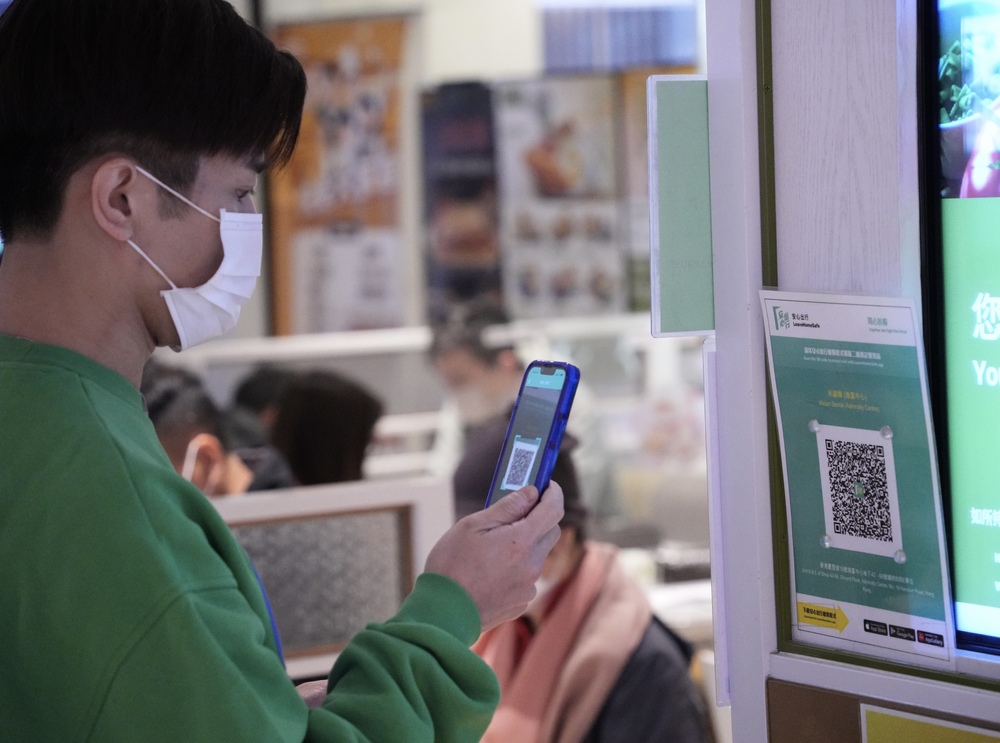
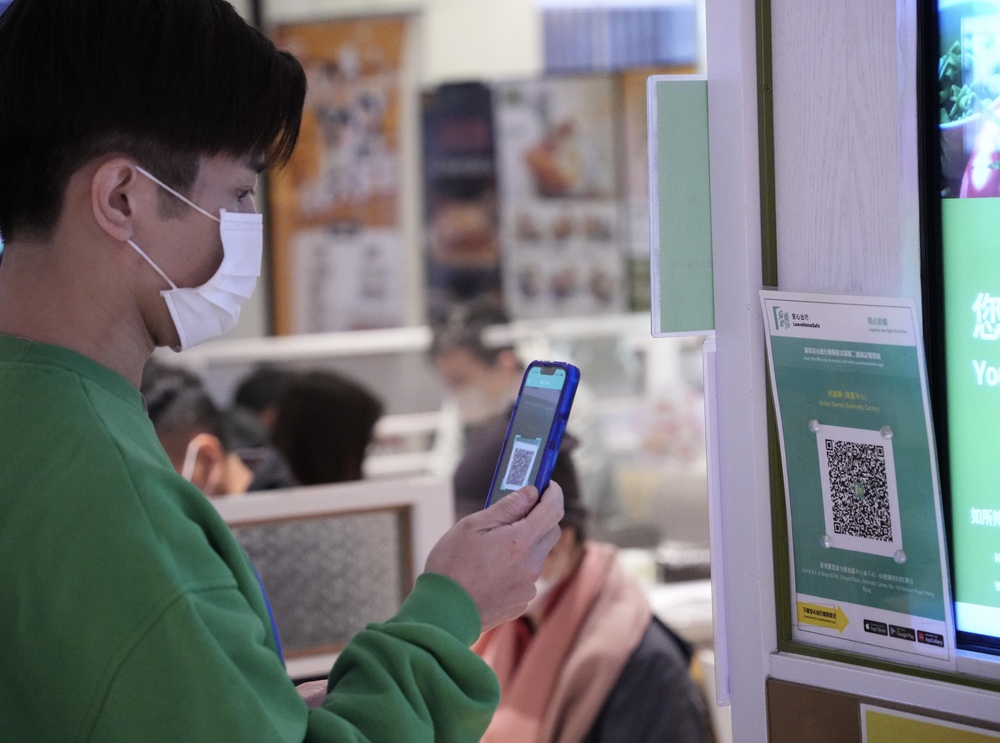
Lee also said citizens will no longer need to scan the LeaveHomeSafe QR code when entering public venues. However, they still need to show their vaccine pass when visiting premises like restaurants.
But Covid tests remain for people flying from overseas. They must take PCR tests at the airport upon arrival and on the second day after they enter the SAR. They also need to do daily rapid antigen tests for the next five days.
Also, children aged below three will not have to undergo compulsory tests, the government announced last night.
Speaking to the media before the Executive Council meeting yesterday, Lee said those who test negative will be given a blue health code and are free to move around the city. The red health code for people who have been infected with Covid will remain, meaning they must comply with the isolation requirement of at least five days.
The decisions were based on scientific data and risk assessment on the current epidemic development, Lee said.
"The risk brought by imported cases to Hong Kong is even lower than local transmission. Therefore, even if we cancel the amber health code, it will not increase the risk of community outbreaks," he said.
Secretary for Health Lo Chung-mau said yesterday the Covid positive rate among arrivals from overseas and Taiwan was only 3.8 percent, meaning only 38 among 1,000 travelers would test positive.
Most of the infected travelers were detected through the PCR test at the airport, he said, adding that imported cases account for only about five percent of the SAR's daily caseload.
Arrivals will not be subject to any restrictions and they can enter all kinds of public premises, including restaurants, bars, museums and theme parks, he said.
On the cancellation of the LeaveHomeSafe mandate, Lo said the app used to play an important role in recording citizens' whereabouts and tracing Covid patients and their close contacts.
Starting today, people no longer need to scan the LeaveHomeSafe QR code when entering public venues and premises, which will also not have to put up their QR code.
But Lo said the vaccine pass arrangement is still necessary to protect vulnerable groups by preventing the un-vaccinated from entering high-risk places and encouraging them to get the jab. "The vaccine pass arrangement is not necessarily linked to the LeaveHomeSafe app," Lo said.
"People can store and present their vaccination records on the government's iAM Smart and eHealth mobile applications. They can also present their paper vaccination records or a screenshot of them."
Lo said the government will reduce the frequency of issuing compulsory test notices to residential buildings. Instead, the authorities will distribute more rapid test kits to citizens.
Only Hospital Authority and care-home workers have to do regular PCR tests, while other groups, including airport workers, only need to take rapid tests.
But the daily rapid test requirement for students remains, as Lo said the vaccination rate among students was not high enough and the requirement can prevent outbreaks at schools.
The government will also stop requiring people under Covid home quarantine to wear an electronic bracelet, as the red health code they receive can already prevent the patients from entering high-risk premises, Lo said.
He added the mask mandate will remain as masks can protect people from both Covid and seasonal flu.
Some restaurants immediately removed some of their QR codes attached to the door after the government announced the latest arrangements. Catering sector veteran Simon Wong Ka-wo said lifting the LeaveHomeSafe mandate is exciting news for the sector as arrivals can now dine in at restaurants.
The sector had earlier expected business during Christmas would only be 70 percent of pre-pandemic levels, but the relaxation could boost business to 85 percent, he said. Wong urged the government to further ease the reactions on banquets to prepare for the Lunar New Year in late January.
The Travel Industry Council said the relaxation can attract more tourists to visit Hong Kong during Christmas and New Year holidays as it was difficult for travel agencies to arrange designated restaurants for amber code holders.
Cathay Pacific welcomed the latest measures, saying the airline aims to operate up to one-third of pre-pandemic passenger flight capacity by the end of this month.
"The adjustments will help further boost sentiment for travel, especially among inbound visitors," the airline said.
The Hong Kong General Chamber of Commerce said the relaxation will encourage more business travelers and tourists to visit Hong Kong, boosting the SAR's economy and businesses.
It appealed to the government to consider removing the two PCR test requirement for arrivals and reopen the border with the mainland soon.