Read More




Night Recap - August 14, 2026
8 hours ago





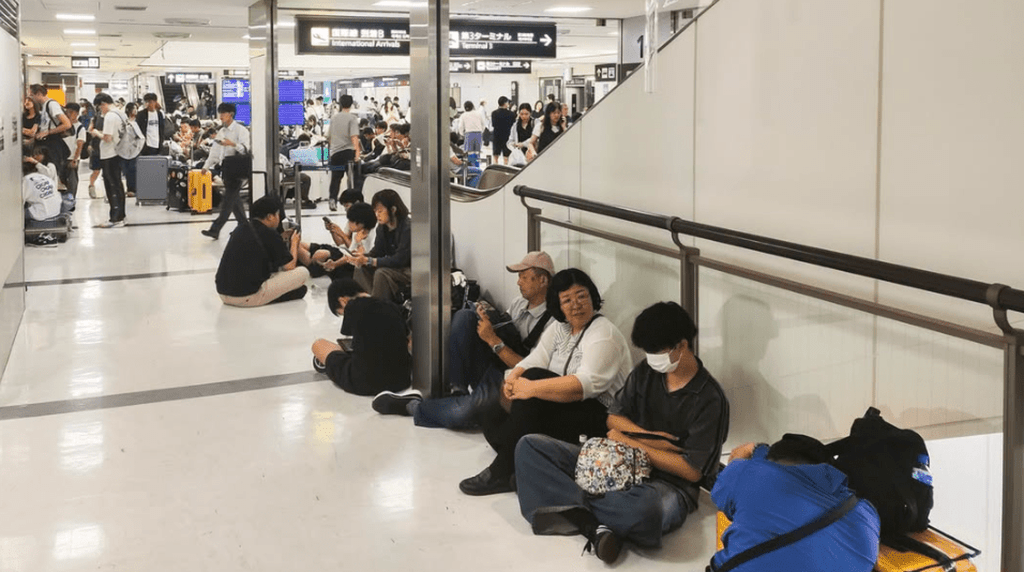
Record rain paralyses Narita airport transport, 4,200 stranded
14-08-2026 02:24 HKT
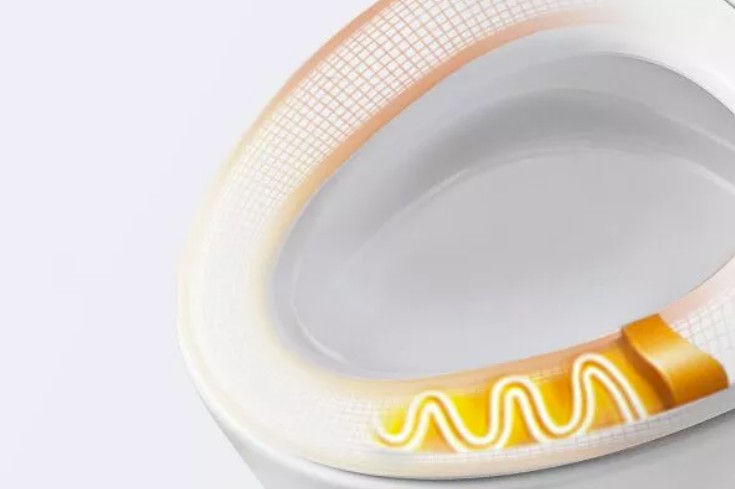
Some heated toilet seat models can warm up to 40 degrees Celsius, the Consumer Council has warned.
The watchdog collected information on 32 electronic toilet seat models from nine brands - ranging in price from HK$3,399 to HK$14,800 - with the basic installation fee included for some models.
All of the electronic toilet seats are equipped with heating functions with adjustable temperature mechanism, of which 12 can reach 40 degrees.
Two models of Inax X-treme claim to have a wider range of temperature adjustment - from about 28 to 40 degrees.
The council advised users not to set the seat temperature too high or sit too long as the heat may increase over time, enough to cause burns.
"Even if the seat temperature is only slightly higher than the body temperature, it may still cause discomfort on prolonged contact with the skin," it said.
The council found that except for Nakama and Vovo, the rest of the models claimed that the seat temperature will automatically lower when users sit on the toilet for a period of time, to reduce skin discomfort.
Another common function of electronic toilet seats is cleaning the users' private areas, and some were found to dispense water at a speed of 700 milliliters a minute.
The council said while all models have adjustable nozzle positions 27 of them have five position options and the rest had only three.
In terms of water flow, the toilet seat models of Inax Passo have six level options, while the rest of the models only have five or three. The water speed in Roca's nine models reached up to 700ml per minute.
The watchdog advised users to start the water flow speed at the lowest and adjust the flow speed as needed.
Meanwhile, the council found 29 models equipped with a warm air dryer function, allowing users to dry their private area with warm air after cleansing. Eight of them claimed the warm air could be adjusted to a maximum of approximately 60 degrees.
Despite meeting the 65 degrees upper limit of the recommended national standard, it might still cause skin discomfort with prolonged use, the council said.
Consumers were advised not to turn up the dryer temperature, but wipe the area with toilet paper after cleansing before drying, to reduce skin discomfort.
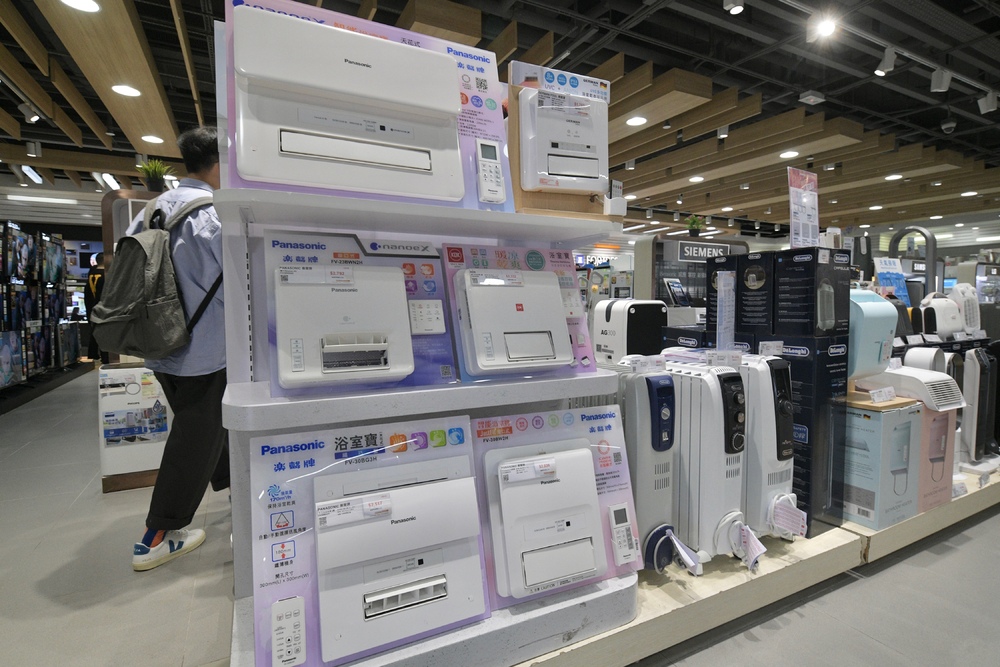
Meanwhile, the city's watchdog tested 13 bathroom ventilator models and found that the drying capacity and electricity consumption of different models varied greatly.
Three of the ceiling ventilator models could dry clothes within four hours, but four of the six window models took more than five hours to dry completely and a ventilator model from JEE failed to dry clothes in eight hours.
The council said the heater of the JEE model turned off automatically after two hours and only blew cold air for four hours subsequently and the process automatically stopped after six hours with the clothes 65 percent dry.
In addition, the council also compared the electricity consumption to test energy efficiency.
Panasonic, Mitsubishi Electric and KDK had the lowest electricity consumption, ranging from 3.2 kilowatt to 3.7 kilowatt per hour, but Zanussi reached 6.2 kilowatt, almost twice as much as the most energy-efficient samples.
"Consumers are advised to choose products with lower power consumption in order to save energy and protect the environment," it said.
stacy.shi@singtaonewscorp.com