Read More
Fish oil supplements may not be as healthy as they are touted to be as they may contain carcinogens, contaminants and harmful lipids, the Consumer Council has found.
ADVERTISEMENT
SCROLL TO CONTINUE WITH CONTENT
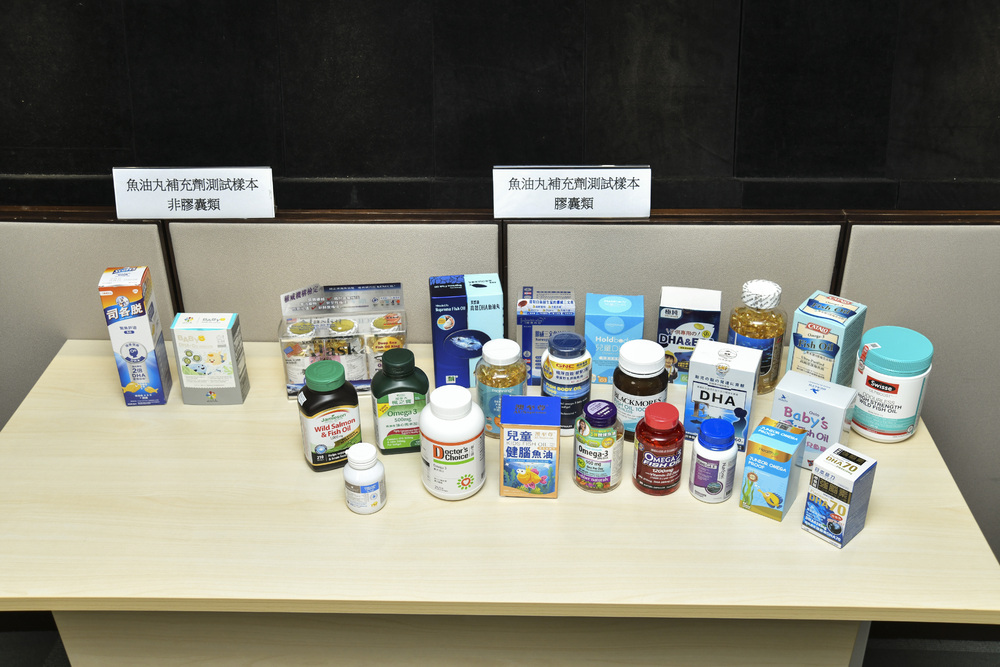
The watchdog tested 25 fish oil supplements - all of which were detected with contaminants, including 24 found with 3-monochloropropane diol, a chemical that could affect the kidneys, central nervous system and male reproductive system.
The samples included 23 softgels and two noncapsules, with prices ranging from HK$73.30 to HK$788 per container.
Adrien Gagnon's Omega-3 Highly Concentrated Fish Oil had the highest level of 3-MCPD with 15,000 micrograms per kilogram, followed by GNC's Live Well Fish Body Oil with 6,800mcg/kg and Miracle Life's Supreme Fish Oil with 2,800mcg/kg - all of which exceeded the European Union limit.
Genotoxic carcinogen glycidol was detected in 14 samples. The glycidol levels from brand Adrien Gagnon exceeded the EU's limit while its levels of the antioxidant butylated hydroxytoluene exceeded Hong Kong regulations.
The council said the supplements claimed to be rich in omega-3 fatty acids such as docosahexaenoic acid and eicosapentaenoic acid, but the percentages varied by up to 50 times across the 23 softgels.
The lowest levels of DHA were found in Szyy Best's Children Fish Oil - with 10.3 percent per capsule - far lower than the claimed 60.6 percent.
Similarly, the brand's fish oil marketed to pregnant women contained 11.7 percent of DHA per capsule, as opposed to the claimed 43.7 percent.
The lowest amount of EPA was detected in Meiriki Japan's Platinum DHA 70, with 12.3 milligrams per capsule, while the highest was in Webber Naturals' Triple Strength Omega-3, with 631.4mg per capsule.
The council said fish oil supplements should not contain contaminants. It stressed that the nutrition levels should be consistent with the label, especially on products marketed to children and pregnant women.
It reminded consumers to take heed before purchasing the supplements to avoid health risks.
"Omega-3 fatty acids are available in a lot of foods, particularly fish. The best [thing] is to eat fresh food instead of relying on supplements," said Nora Tam Fung-yee, chairwoman of the council's research and testing committee.
stacy.shi@singtaonewscorp.com
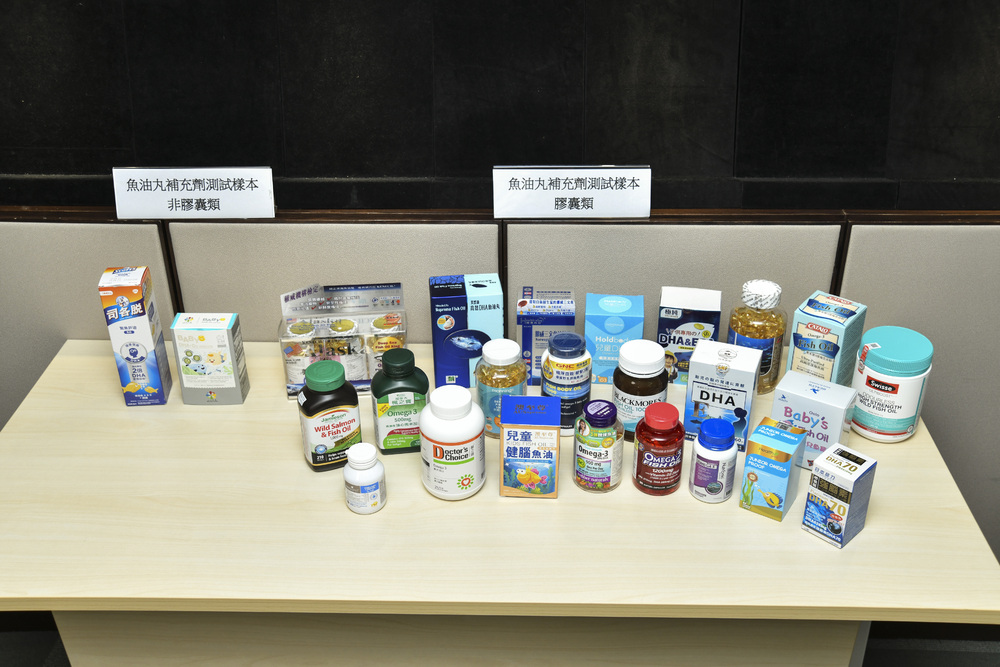
Contaminants were found in fish oil supplements. SING TAO