Read More


Morning Recap - April 17, 2026
5 hours ago


Chinese auto giant BYD's female CFO earns more than its founder last year
15-04-2026 19:12 HKT
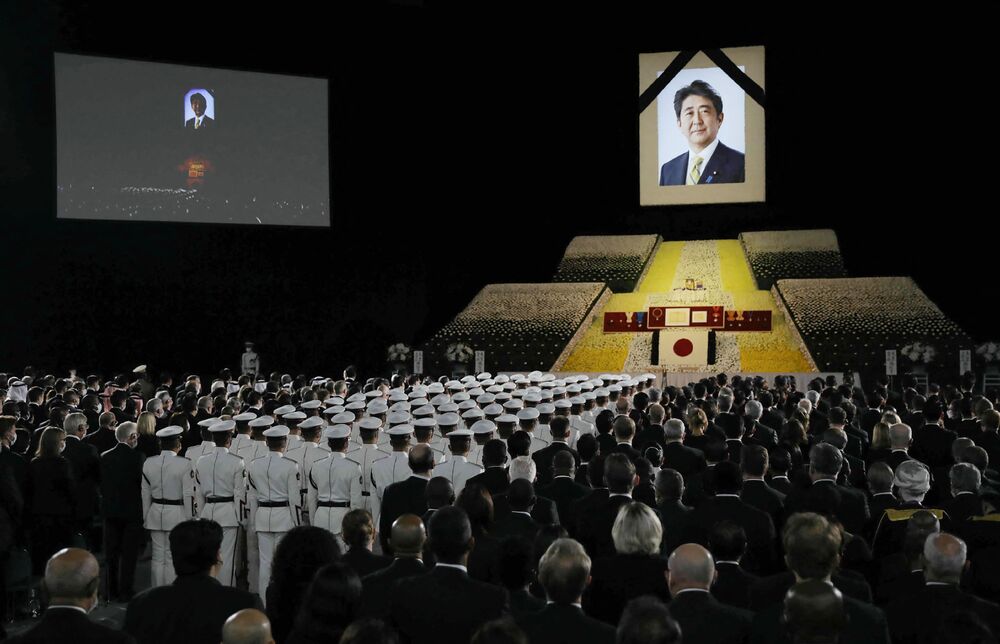
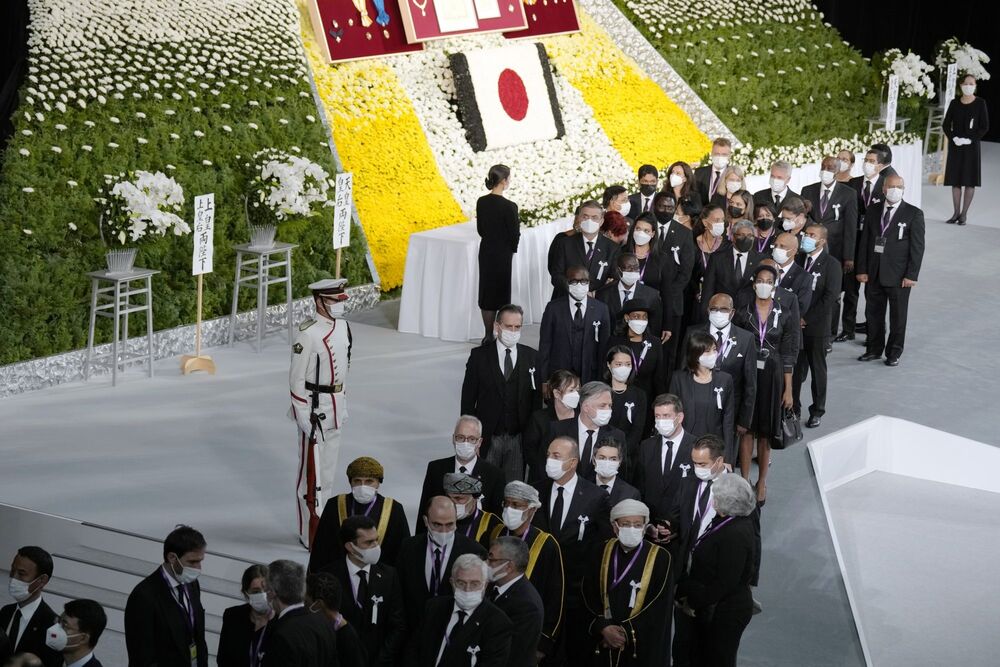
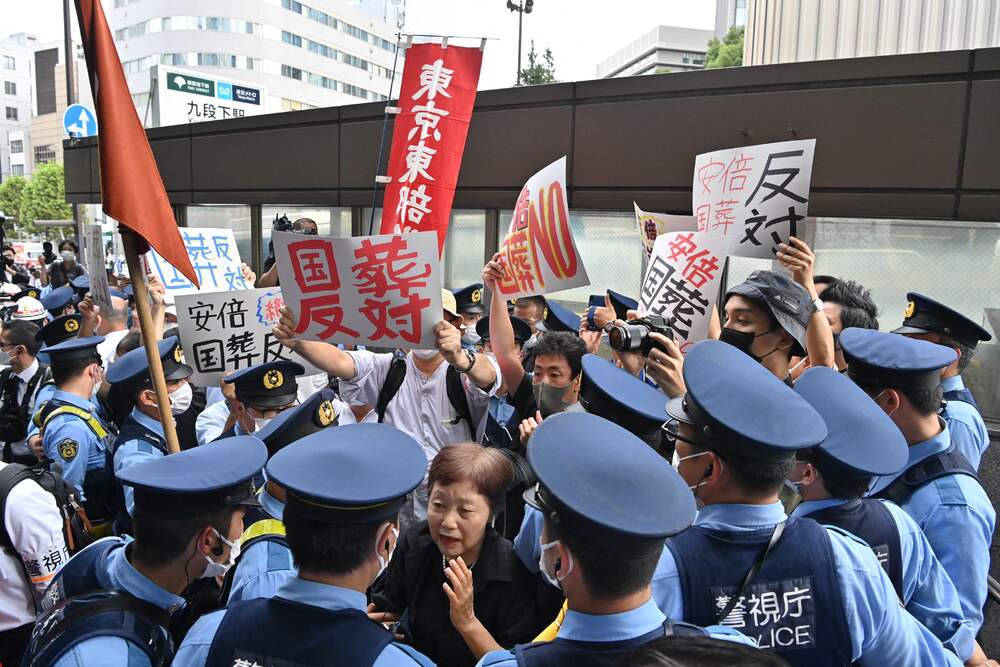
Japanese and foreign dignitaries paid tribute to assassinated former prime minister Shinzo Abe at a state funeral yesterday that drew both mourners and protesters to central Tokyo.
Prime Minister Fumio Kishida described the former leader as a "person of courage" in a eulogy, listing his achievements, including efforts to strengthen Japan's diplomatic ties.
"I feel heartbreaking grief," Kishida said as he faced a photograph of Abe that was hung above a grand floral structure used to display his ashes, medals and the Japanese flag.
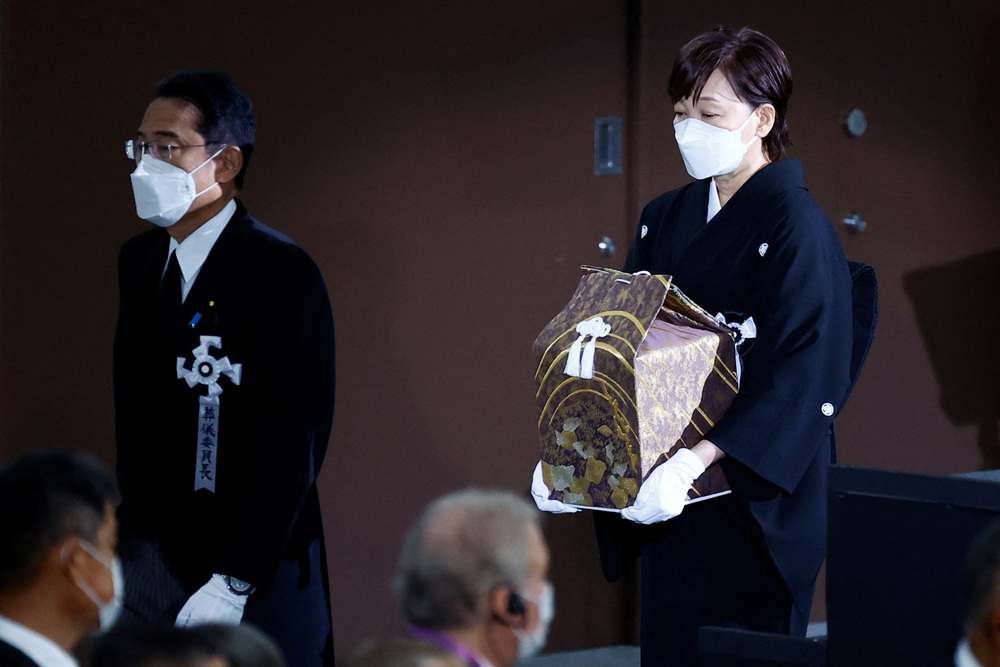
The decorative box of ashes had been carried by his widow, Akie, into Tokyo's storied Budokan venue, where a 19-gun salute sounded in honor of the slain politician.
Abe was Japan's longest-serving prime minister and one of the country's big political figures, known for cultivating international alliances and his "Abenomics" economic strategy.
He resigned in 2020 over recurring health problems, but remained a key political voice and was campaigning for his ruling party when a lone gunman killed him with a homemade weapon on July 8.
But the decision to give him a state funeral - only the second for a former premier in the post-war period - has provoked opposition, with around 60 percent of Japanese against the event in recent polls.
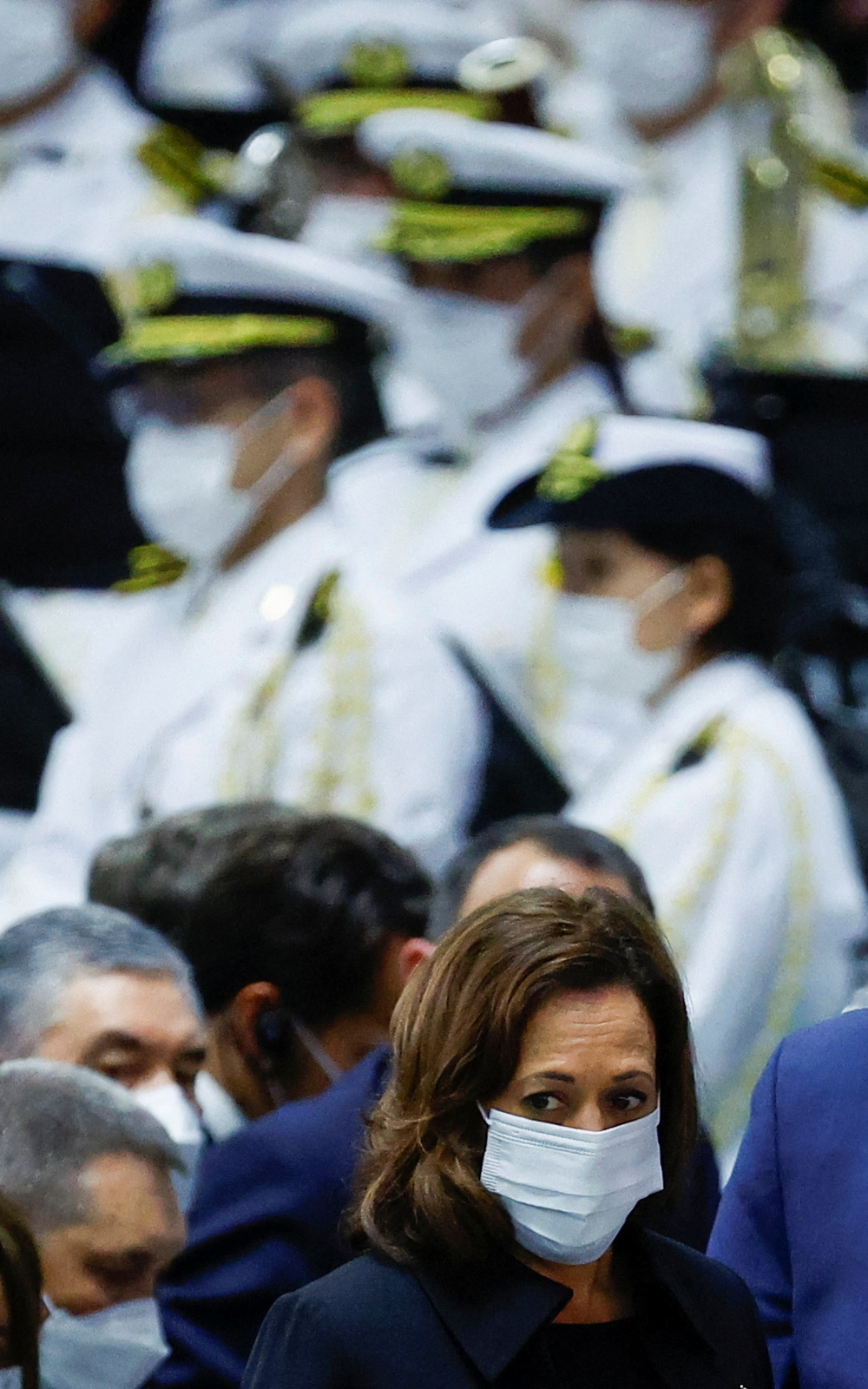
US Vice President Kamala Harris and world leaders including Indian Prime Minister Narendra Modi and Australian Premier Anthony Albanese were among those in attendance.
Outside, thousands of people stood in line as the ashes arrived, waiting to deliver flowers and say a prayer in two mourning tents. Opponents were also out, marching near the tents before a larger demonstration in front of the parliament.
"There are people struggling financially who suffered particularly under the 'Abenomics' policies. We must not forget this," said student Ryo Machida, 19. "He may have been a strong leader, but in hindsight, he was iron-fisted and anti-democratic."
Abe's accused killer targeted the former leader believing he had ties to the Unification Church, which the attacker resented over massive donations his mother had made to the sect.
The assassination prompted fresh scrutiny of the church and its fundraising - and uncomfortable questions for Japan's political establishment, with the ruling party admitting around half its lawmakers had links to the religious organization.
Thousands have protested in the run-up to the ceremony and a man set himself on fire last week near the prime minister's office, leaving notes reportedly expressing his objection to the event.
Some people accuse Kishida of unilaterally approving the US$12 million (HK$93.6 million) funeral.
Kishida's government may have hoped the solemnity of the event, attended by 4,300 people, including 700 foreign representatives, would drown out the controversy.
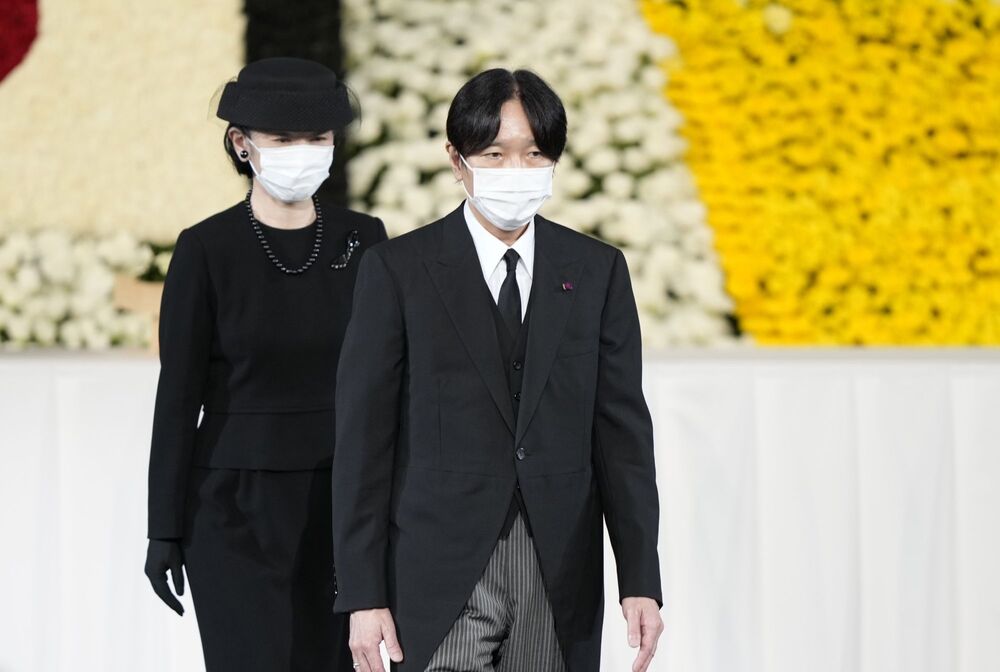
Japan's emperor and empress did not attend as neutral national figures, but Crown Prince Akishino and his wife led mourners in offering flowers.