Read More


Morning Recap - September 22, 2026
3 hours ago






Law Society proposes allowing solicitors to be appointed Senior Counsel
21-09-2026 01:56 HKT
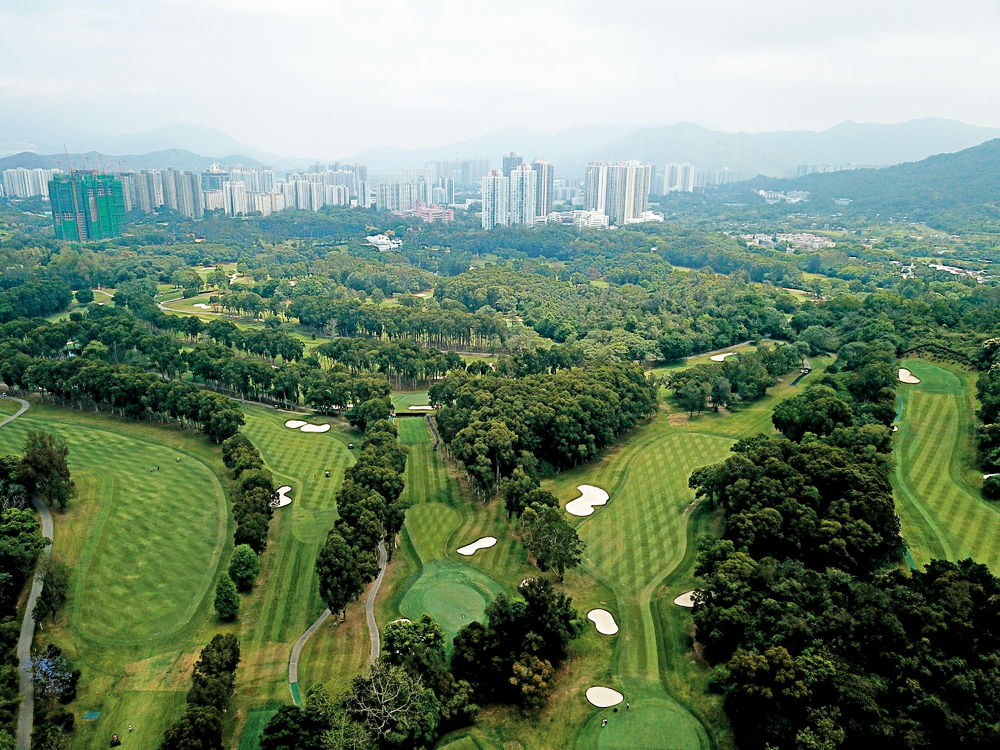
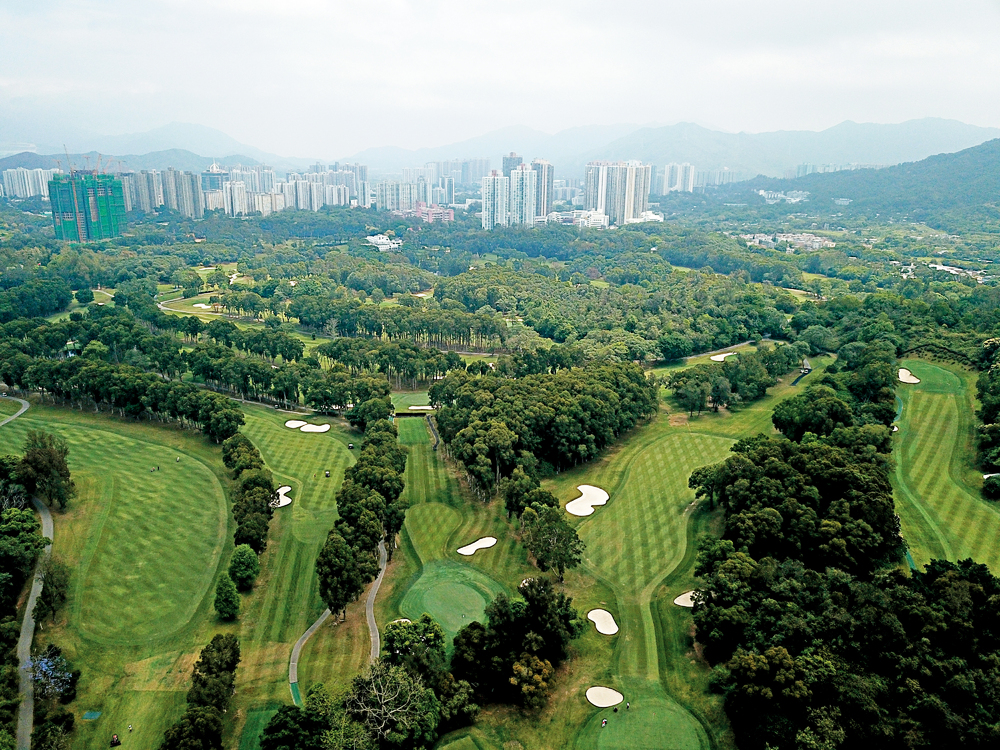
An environmental impact assessment report only supported the building of homes on nine hectares of a targeted 32-hectare area on Fanling Golf Course, with the remainder considered to be of medium to high ecological value and so should be conserved.
The Environmental Protection Department's advisory council on the environment yesterday published the findings of its "Technical study on partial development of Fanling Golf Course site - feasibility study."
It concluded that a nine-hectare plot of land on the eastern side of the golf course can be used for land development to help ease the housing crunch.
The document said this land will provide an estimated 12,000 flats for 33,600 residents as well as community facilities such as schools, kindergartens, centers for the elderly and shops. Building works have already begun.
The remaining three subareas of the golf course will be used for conservation purposes in a bid to meet the government's climate goals, according to the document.
In 2018, then chief executive Carrie Lam Cheng Yuet-ngor appointed a land supply task force to solve the city's pressing housing shortage. The panel eventually proposed redeveloping 32 hectares of land on the east side of the 172-hectare golf course to build homes.
Subarea 1, the northernmost part of the reserved area, was found to be of low to medium ecological value. Various fauna species, including the Chinese Pond Heron and the Japanese Pipistrelle, were found in low numbers in the area.
The proposed development in subarea 1 will affect 996 existing trees - equivalent to 4.1 hectares of woodland - but this will be offset by reforesting about 5.1 hectares of woodland in subareas 2 and 3.
Minor conservation and recreation works will be carried out in subareas 2 and 3, where the overall ecological value was ranked as medium, as they contain areas that act as ecological corridors connecting to subarea 4.
Subarea 4, the southernmost part of the reserved 32-hectare plot, was found to contain important ecological habitats including swampy woodland and marshes, as well as century-old Chinese swamp cypresses.
No work has been proposed for this area as it has been designated as having medium to high ecological value.
Lingnan University professor and advisory council member Lau Chi-pang questioned whether housing development on the site would be useful once Northern Metropolis is ready.
But the chief engineer of the Civil Engineering and Development Department, John Chung Wing-hong, said the golf course needs to be developed for housing as Hong Kong still lacks a lot of spade-ready land.
"Even after authorities develop Northern Metropolis, Fanling Golf Course should still be developed for housing," he said, adding that residents would be able to move into housing estates on the site as soon as 2029.
Executive Council convener Regina Ip Lau Suk-yee lambasted the previous administration's plan, saying it reflected "double standards." She added: "It vowed to back the sports sector, so why didn't it support the golf club?"
Ip, a member of the Hong Kong Golf Club, which uses the fairway in Fan Ling, said authorities could boost land supply and alleviate the housing crunch by developing areas around country parks and parts of the city's 16,000-hectare green belt - a proposal also made by Chief Executive John Lee Ka-chiu last week.
cjames.lee@singtaonewscorp.com