Read More

Morning Recap - October 16, 2026
6 hours ago




Man steals gold chain worth $70,000 from Tai Po jewelry store
14-10-2026 17:37 HKT


From a humble beginning in 1922 when Hong Kong Sanatorium & Hospital (HKSH) was first established, with only 28 beds, the Hospital has undergone remarkable growth to become a leading, internationally-recognized and preferred private provider of integrated healthcare to the community, providing today more than 650 beds and more than 30 specialty centres.
Tracing its roots
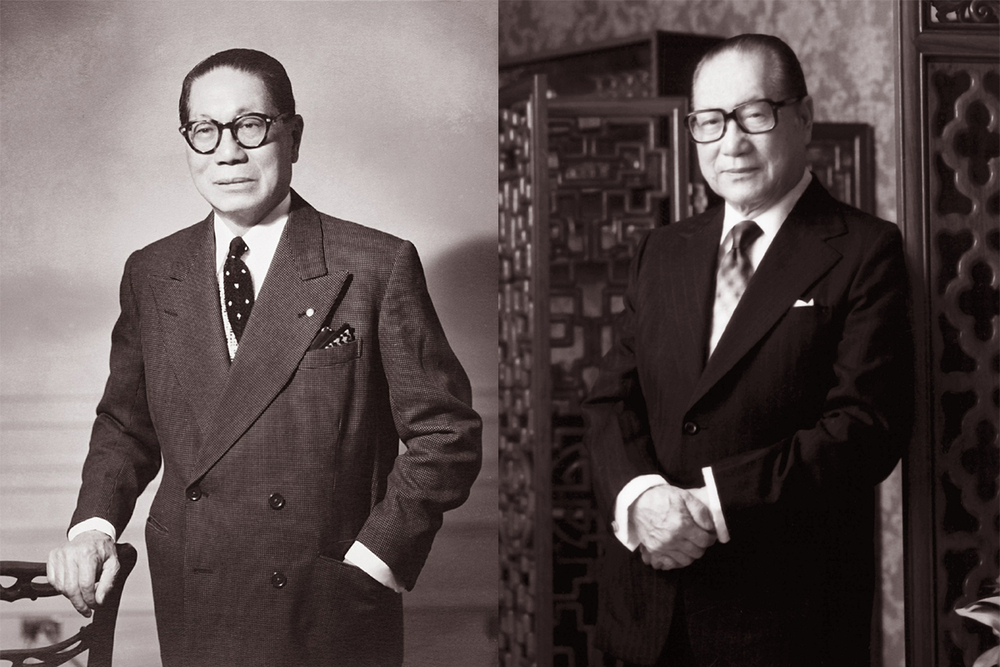
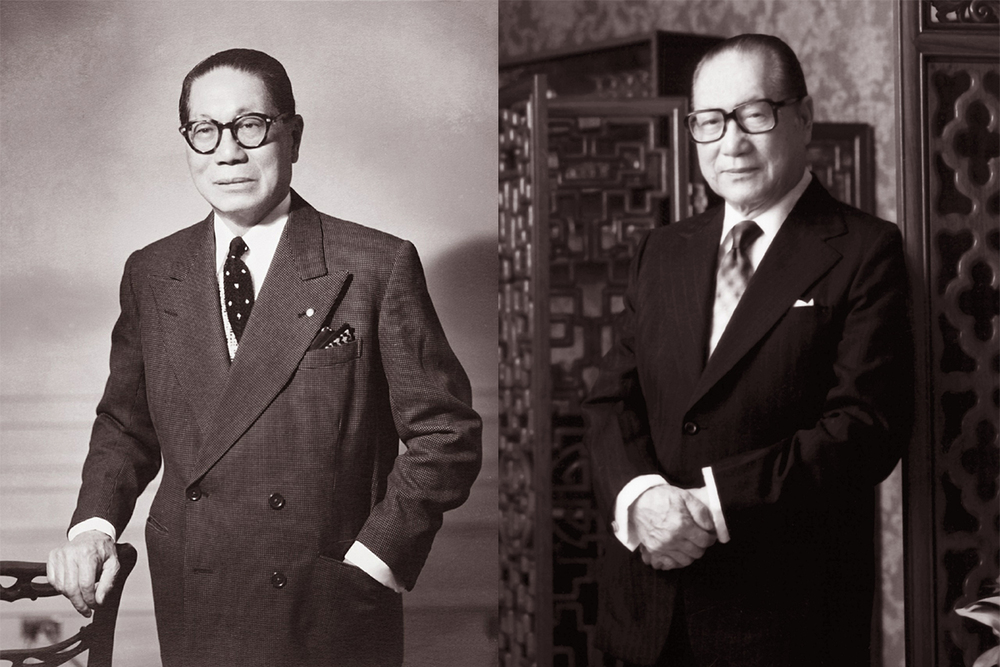
Speaking on HKSH’s 100th anniversary, Dr Walton Li Wai-tat, Medical Superintendent of HKSH and Chief Executive Officer of the HKSH Medical Group, looks back at Hong Kong in the 1920s when it suffered from inadequate healthcare. To help alleviate the plight, a group of leading Chinese medical practitioners and prominent Hong Kong citizens founded Hong Kong Sanatorium & Hospital, headed by its first Medical Superintendent, Dr Li Shu Fan. It was then the only local private hospital run by Chinese doctors practising western medicine to cater to the medical needs of local Chinese.
A pioneer and visionary in the medical field, Dr Li Shu Fan was determined to rid the Chinese people of the derogatory nick-name of “the sick men of East Asia”. He travelled widely to research on medical care, and started the tradition at HKSH of bringing in cutting-edge technology to upgrade its medical services.
Dr Li Shu Fan passed away in the 1960s after establishing a solid foundation for HKSH and gaining widespread respect and trust from the community. He was succeeded by his brother, Dr Li Shu Pui. In continuation of the Hospital’s dedication to “Quality in Service & Excellence in Care”, Dr Li Shu Pui pressed on with a commitment to continuous improvement.
The economy of Hong Kong flourished in the 70s and 80s, however the global recession and the economic fluctuations in the subsequent years had led to a widespread contraction in economic activity in Hong Kong. Dr Li Shu Pui managed to tide the hospital over this period and successfully developed HKSH into a comprehensive advanced hospital keeping abreast with medical advances and meeting public demand. At the turn of the millennium, HKSH took on the initiative to seek international accreditation for, initially from the UK, and subsequently from the Australian Council on Healthcare Standards as the first ACHS-accredited hospital in Hong Kong. The rigorous assessment audit supports the Hospital to reassure patients of its high level of safety, quality of care and service provision while adhering to international benchmarks. It also establishes the protocol for all concerned to follow.
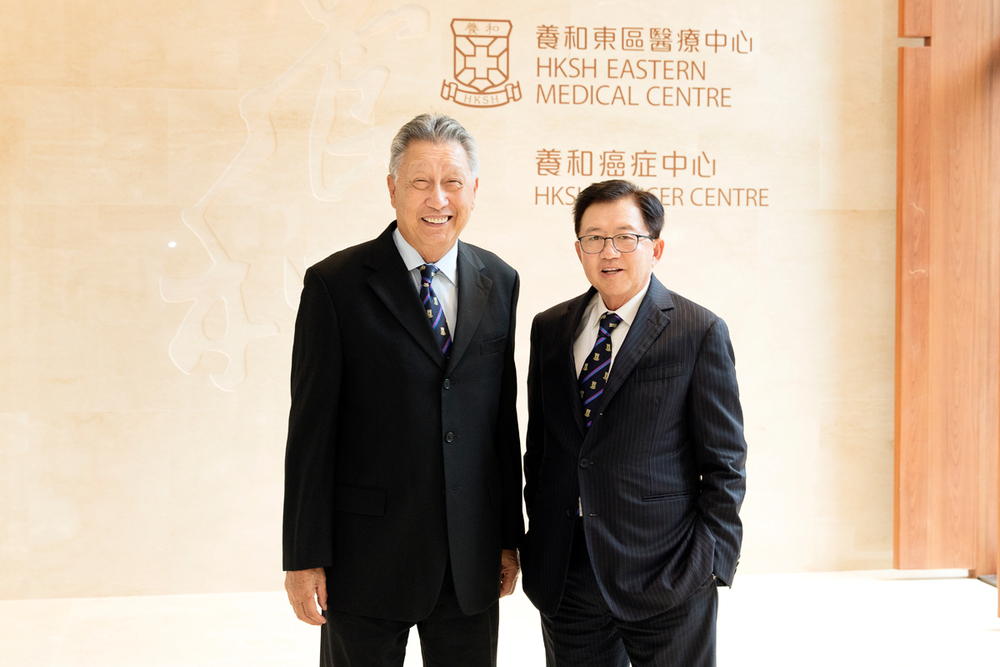
Dr Li Shu Pui passed away in 2005, and was succeeded by his son, Dr Walton Li Wai-tat, as Medical Superintendent, as he leads HKSH into an exciting new era of growth and development.
Focus on patients
Dr Walton Li Wai-tat underscores the focus on patients and the over-riding importance of the total patient experience. “At HKSH, patients will never walk alone,” he stresses. Citing the example of the newly-opened HKSH Cancer Centre at A Kung Ngam in Shau Kei Wan, he points out that, on top of its advanced and all-round cancer treatments, HKSH adopts a holistic approach by assigning a case nurse to follow the patients through their medical journey from diagnosis and multidisciplinary treatments to rehabilitation and return to a normal life.
“Empathy is very important as we work hard to allay the patient’s fears and gain their trust,” explains Dr Li. “Our service also extends to easing carers’ stress as we guide family members on how to support the patients.”
HKSH’s greatest asset
Dr Li opines that whilst management retains the critical role of looking at the big picture, the Hospital is happy to see its development led by frontline staff who, he says, can feel the pulse of the patients, and are well-placed to offer their professional advice.
“Our staff is our biggest asset,” Dr Li emphasizes. “Therefore, we are keen for them to broaden their perspectives, and keep abreast of the latest best practice in the world.” The Hospital, he points out, sent more than 300 staff members to visit and learn from leading universities and medical institutions in Australia, Canada and the US in recent years, and is receptive to the ideas they have brought back.
Dr Li believes when their staff members are treated well, they, in turn, would express their appreciation in terms of delivering high-quality patient care. He recalls that during the SARS epidemic in 2003, there was widespread retrenchment in the community, but HKSH decided to steadfastly maintain their staff establishment with no salary reduction. “We simply ask them to justify their continuous employment with even better service to patients,” says Dr Li. “It’s a corporate culture of ours to look after our staff who are viewed as members of the family.”
Top-notch medical team
Dr Li points out that HKSH follows a team approach with strong peer group support, and all its eight Deputy and Assistant Medical Superintendents are staffed by veteran doctors who carry out frontline clinical duties. It is also the only private hospital that has set up clinical departments, and its spectrum of expertise, as well as the breadth and depth of medical knowledge and service offerings, are unparalleled in the private sector locally and regionally.
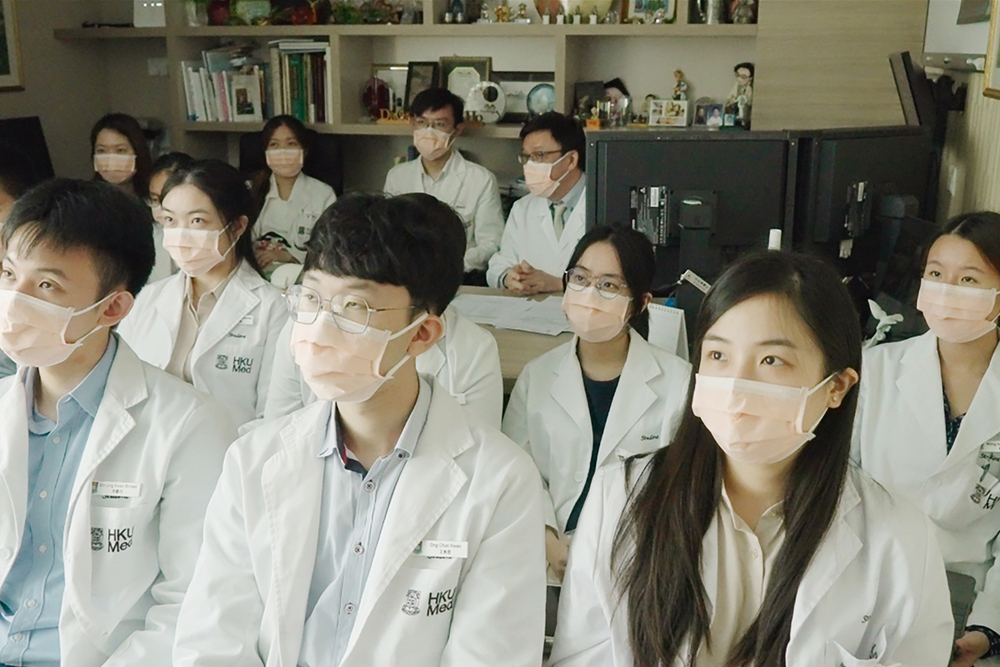
Its emphasis on training and grooming the next generation of medical professionals is reflected in the establishment of the Li Shu Fan Medical Foundation way back in 1963. It has also collaborated closely with the medical schools in The University of Hong Kong and The Chinese University of Hong Kong for training their medical students to gain practical experience at the Hospital.
Currently the Hospital has five specialist training streams accredited by respective colleges in eye, bone, surgery, family medicine and plastic and reconstructive surgery. In support and partnership with The University of Hong Kong and The Chinese University of Hong Kong, the Hospital plays an active role in fostering medical and clinical research and the advancement of medical science through setting up of 10 endowed professorships and a wide range of research collaborations.
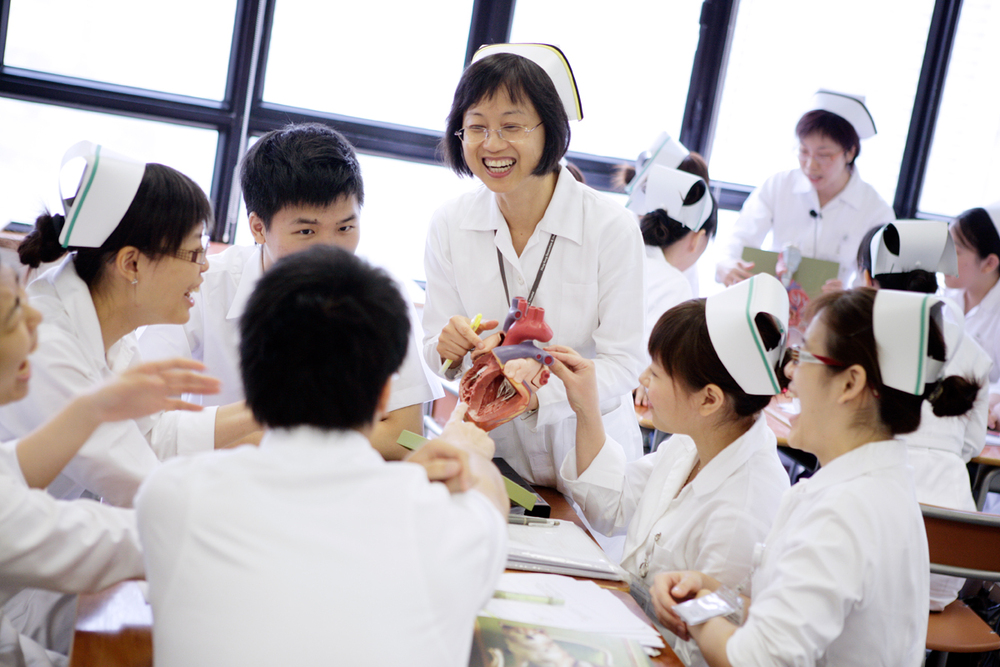
HKSH also prides itself on its nursing school which dates back to its establishment as early as 1927. An average of two to three thousand applicants vie for the annual intake of about 40 to 50 student places, as the school provides a clear career path for them. Students follow a residential program that is taught by experienced frontline nurses, becoming Enrolled Nurses on completion of the 3-year Higher Diploma in Nursing program; most would continue with a 4-year Professional Diploma in Nursing program to become Registered Nurses.
“In line with our emphasis on patient care, all our nurses are put through a psychological well-being program in which they learn how to show empathy and compassion for managing patient emotions,” Dr Li adds.
Robust service extension
A momentous decision was taken in 2015 in establishing the HKSH Medical Group to foster the development of its medical services. Now with the network of HKSH Healthcare, the service coverage extends to most of the major areas on Hong Kong Island, including Central, Admiralty, North Point and Taikoo. Opened in A Kung Ngam, Shau Kei Wan, in 2019, the HKSH Eastern Medical Centre is the Group’s latest medical landmark in Hong Kong East. It comprises the HKSH Cancer Centre (Island East), a hub of advanced and all-round cancer treatments.
Looking ahead, Dr Li notes that with the ageing population, there will be mounting pressure and demand for healthcare in the community, and the Group is fully geared to meet this challenge. “We’ve already had working groups set up to examine and plan for expansion in our services, and our growth strategy is to bring about the best care and choices for our patients and the community,” concludes Dr Li. “It is a passion for quality and excellence that drives us forward in medical services, technology, training and research. We are ready, willing and able to continue the provision of top-notch medical care for the community in our second century of service.”