Read More




Night Recap - September 9, 2026
3 hours ago





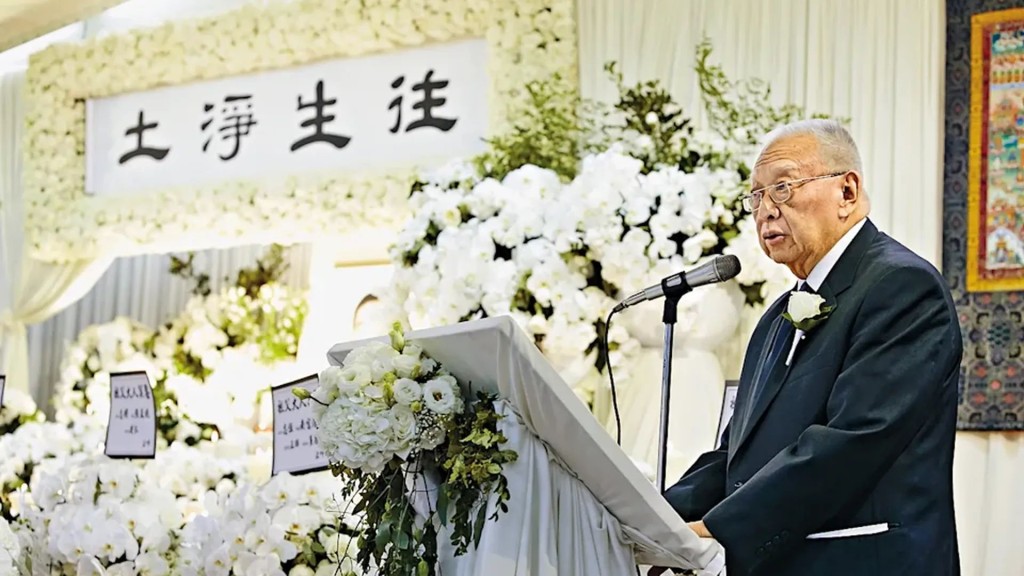

Hong Kong’s first chief executive Tung Chee-hwa dies at 89
09-09-2026 00:48 HKT
Hong Kong is the second-best Asian region - behind Japan - and seventh worldwide with the most centenarians for every 100,000 residents, according to a study by British care-home provider Lottie.
Compiling data on population ages provided by the United Nations, Lottie worked out the population estimates of people aged 100 and over between the years 2000 and 2020.
It found that Hong Kong, whose centenarian population rose by about 90 percent in those two decades, was home to an estimated 3,561 centenarians in 2020 or 47 super seniors for every 100,000 residents.
Those aged 60 or above took up 27 percent of the population of 7.426 million in 2020, data from the Census and Statistics Department showed. It meant there were almost two centenarians for every 100,000 residents who are 60 or older.
The French overseas region of Guadaloupe, which boasted almost 80 percent more centenarians than it did in 2000, placed first in the world with an estimated 75 centenarians per 100,000 people - 73 percent of whom were female. But Guadaloupe only had a total of 299 centenarians.
Second and third were Guadeloupe's Caribbean neighbors.
Barbados, an independent republic in the British commonwealth, had 71 centenarians per 100,000 people - up 78 percent from 2000.
Martinique, an overseas department of France, had 63 centenarians for every 100,000 residents - up 83 percent over the 20-year period.
In joint fourth were Uruguay and Japan, which boasted 62 centenarians per 100,000 people.
Compared to Uruguay's increase in centenarian density since 2000 - which was 75 percent - Japan saw a larger rise over the 20-year period at 88 percent.
"The Caribbean lifestyle of this French overseas territory appears to promote longevity like no other on the planet," said Lottie — https://lottie.org/data-insight/where-most-UK-centenarians-live/.
France's universal health care system also guarantees coverage of health expenses.
One of the reasons for Hong Kong's longevity was found to be effective and sustained tobacco control, according to a study by researchers from the University of Hong Kong's medicine faculty which was published in the medical journal Lancet Public Health last year.
The research team, co-led by clinical associate professor Michael Ni Yuxuan and professor Gabriel Leung, dean of the university's Li Ka Shing Faculty of Medicine, compared 263 million deaths between 1979 and 2016 in 18 high-income regions, including Hong Kong, South Korea and Japan.
After comparing assessments with other countries, the researchers found that Hong Kong's longevity is attributed to its low mortality rate for cardiovascular diseases in men and women.
cjames.lee@singtaonewscorp.com