Read More
Deputies are to be appointed to the chief secretary for administration, the financial secretary and the secretary for justice, with each on monthly salaries reckoned to be around HK$360,000.
ADVERTISEMENT
SCROLL TO CONTINUE WITH CONTENT
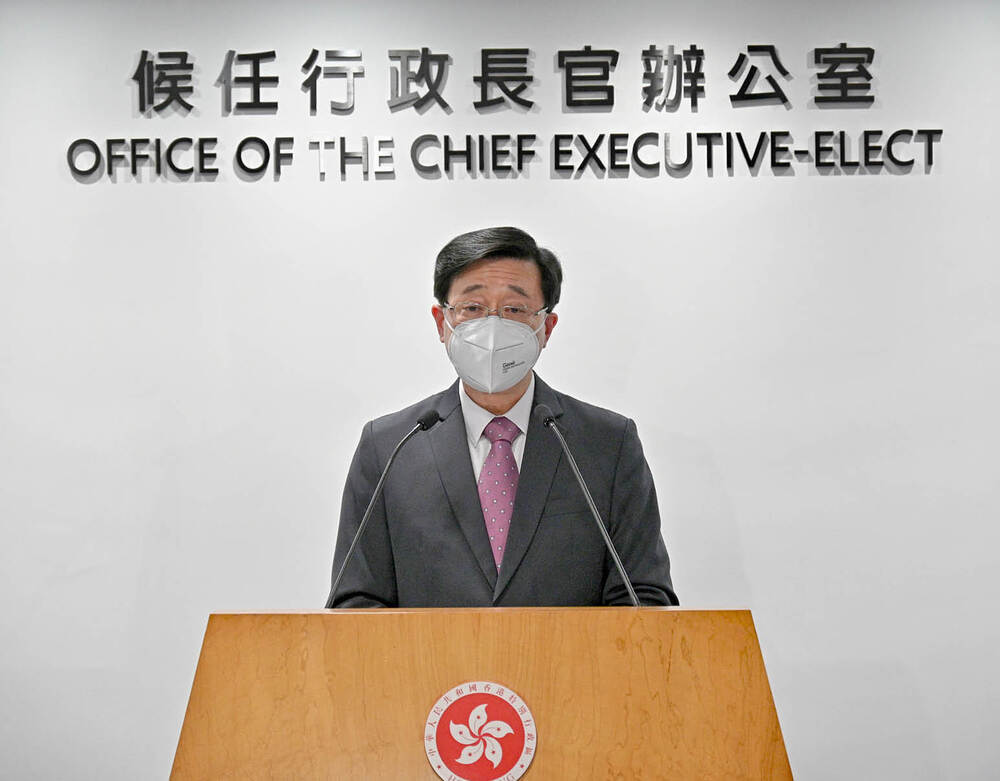
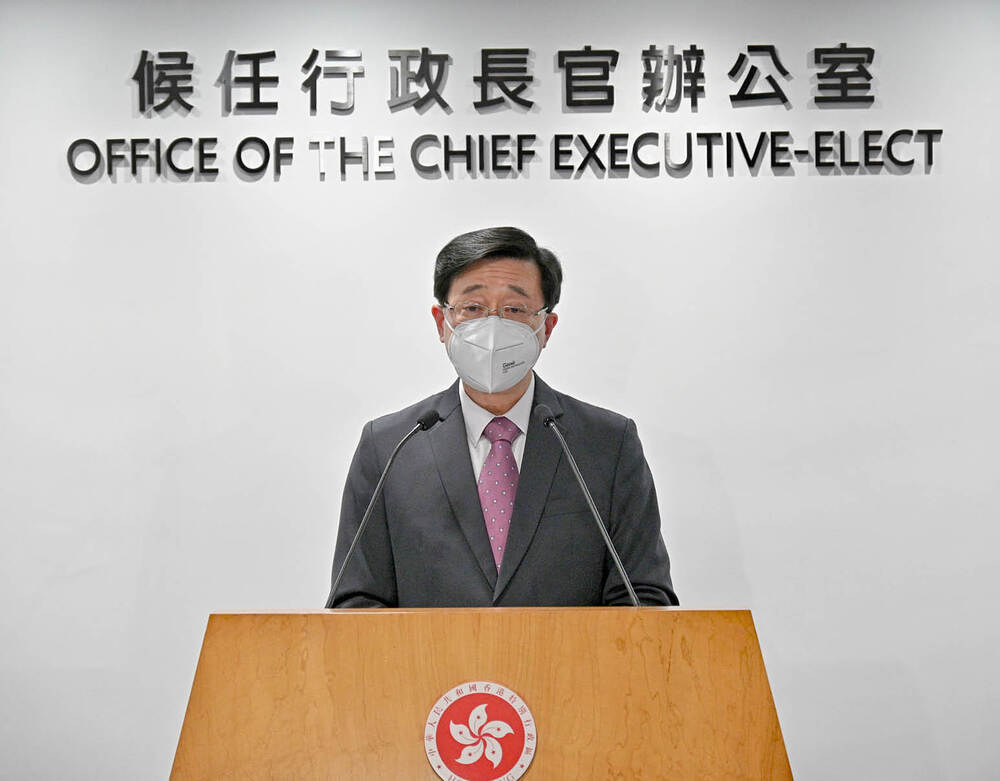
And 13 government bureaus will be restructured to become 15, chief executive-elect John Lee Ka-chiu announced yesterday.
The restructured administration will also bring in 13 more politically-appointed officials, including the three deputies and 57 more civil service positions for an additional annual cost of almost HK$95 million.
It is understood that besides their HK$360,000 monthly pay the three deputy secretaries will have annual leave of 33 days, but they will not be given official residences.
Lee said it was his idea to create the three deputy secretaries rather than two as the workload of the secretary for justice is as heavy as the SAR's No 2 and No 3 officials.
He also hoped the secretary for justice "can promote Hong Kong's excellent judicial system, adding: "The international relationship is complicated. Many places are making false statements towards Hong Kong's actual situation."
Other than that, Lee said, the justice chief in his administration will need to take charge of the promotion of the constitution and the Basic Law in Hong Kong as well as legal cooperation worldwide.
"The Department of Justice will have to be more proactive and take the initiative in doing its work," he added.
"Therefore, I think a deputy under the secretary for justice will be helpful."
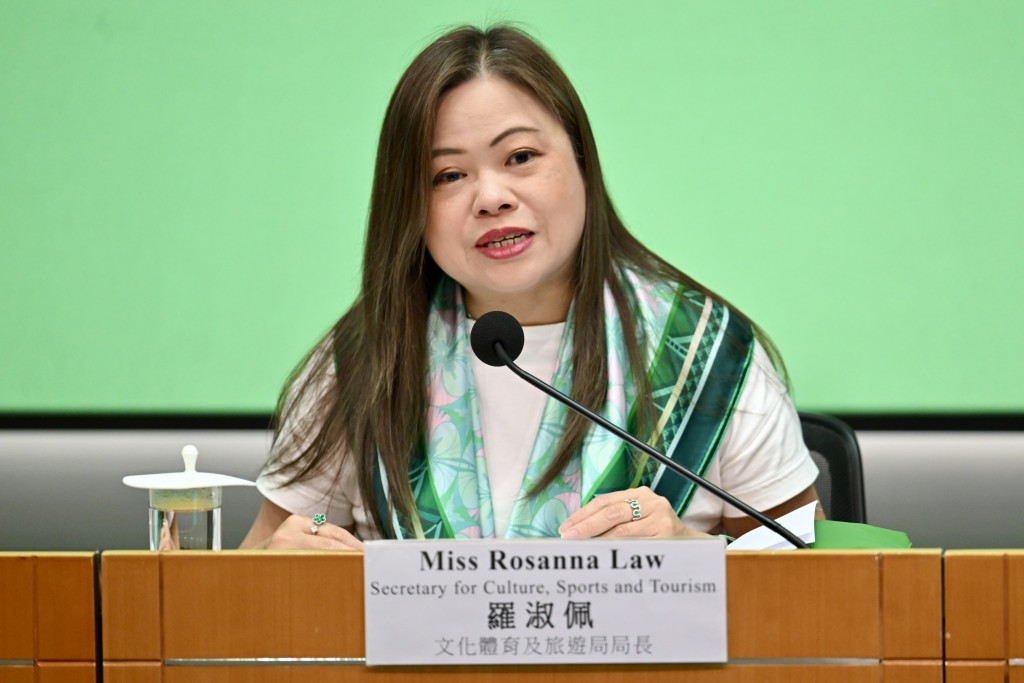
On the restructuring, a new Culture, Sports and Tourism Bureau will take over some responsibilities from the Home Affairs Bureau and the Commerce and Economic Development Bureau.
Film and creative industries will also be in its portfolio.
The Transport and Housing Bureau will be split into two. The Housing Bureau will take full charge of housing policies, especially in expediting the building of public housing and monitoring the private residential market closely.
Transport-related issues will be handled by the renamed Transport and Logistics Bureau. The Development Bureau will report to the financial secretary instead of the chief secretary after the restructuring.
So the chief secretary will be handling nine policy bureaus and the financial secretary six. Some bureaus will also be renamed and take on additional functions.
The Food and Health Bureau will become the Health Bureau. Apart from combating the pandemic for the present it will push forward major medical policies and health measures.
Food-safety issues will be taken over by the Environment and Ecology Bureau - expanded and renamed from the Environment Bureau - with focuses on environmental hygiene, agricultural and fisheries and veterinary public health.
The Home Affairs Bureau will be revamped into the Home and Youth Affairs Bureau to focus on district administration as well as youth work.
The Innovation and Technology Bureau becomes the Innovation, Technology and Industry Bureau to refine reindustrialization.
Lee said some bureaus are currently taking on multiple projects at the same time and thus carry a heavy load.
Splitting them will allow them to "focus and delicately" do their work while also making their powers and responsibilities clearer.
The restructuring will also create synergy among bureaus, Lee said.
Lee did not comment on whether the Central Policy Unit - replaced by the Policy Innovation and Coordination Office by outgoing Chief Executive Carrie Lam Cheng Yuet-ngor in 2018 - will be resurrected. Although sources said the CPU, which comprised advisers to the chief executive, will be revived by Lee, it was not shown in a proposed organizational chart for the new structure.
Instead, Lee said he is inclined to "a setup that will do policy planning," and he will start considering how that could work in his administration.
It will also step up policy studies among others.
The restructuring, proposed by Lam in her policy address in October, was tabled at the Legislative Council's subcommittee under the House Committee ahead of its first meeting on Friday.
Lee hopes the proposal can be passed before the end of June. He also refused to comment on the formation of his cabinet as the process was still under way.
But Patrick Li Pak-chuen, the director of broadcasting, Bernadette Linn Hon-ho, the permanent secretary for development, and Carol Yip Man-kuen, the permanent secretary for security, are strong tips to be promoted from administrative officers to the top table.
Scan for government organization chart