Read More
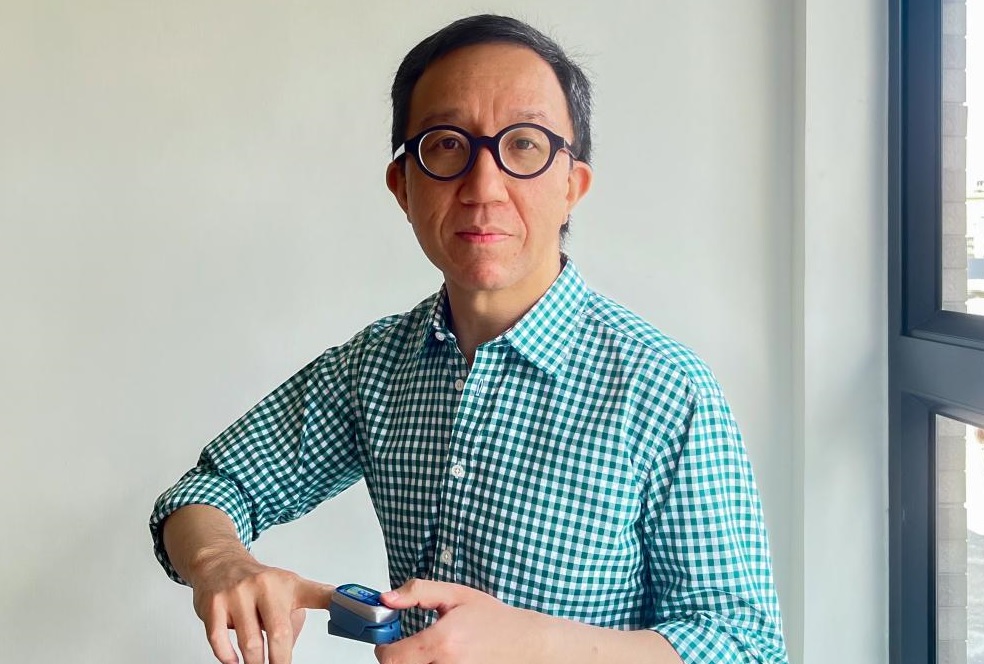
Health experts are divided on when or if a sixth wave of Covid outbreaks is hitting Hong Kong after government adviser Gabriel Leung said the next flare-up may materialize in two weeks at the earliest.
ADVERTISEMENT
SCROLL TO CONTINUE WITH CONTENT
Leung, dean of the University of Hong Kong's medicine faculty, said infection numbers hover around 300 a day and a "slight tilt in the wrong direction" could trigger a sixth wave.
Speaking at an internal meeting of the medical school at the weekend, he said HKU's mathematical model suggests a sixth wave could hit in two weeks and then peak in early July. But he hopes the estimation is wrong so Hong Kong would not suffer, he added.
Leung said 70 percent of the population has been infected in the fifth wave and that if a sixth wave never materializes it would mean the city's infection rate is even higher than that.
Another factor affecting a possible sixth wave is vaccination, Leung said. He said if the efficacy of vaccines in preventing severe illness and death is higher than estimated, a sixth wave will not emerge.
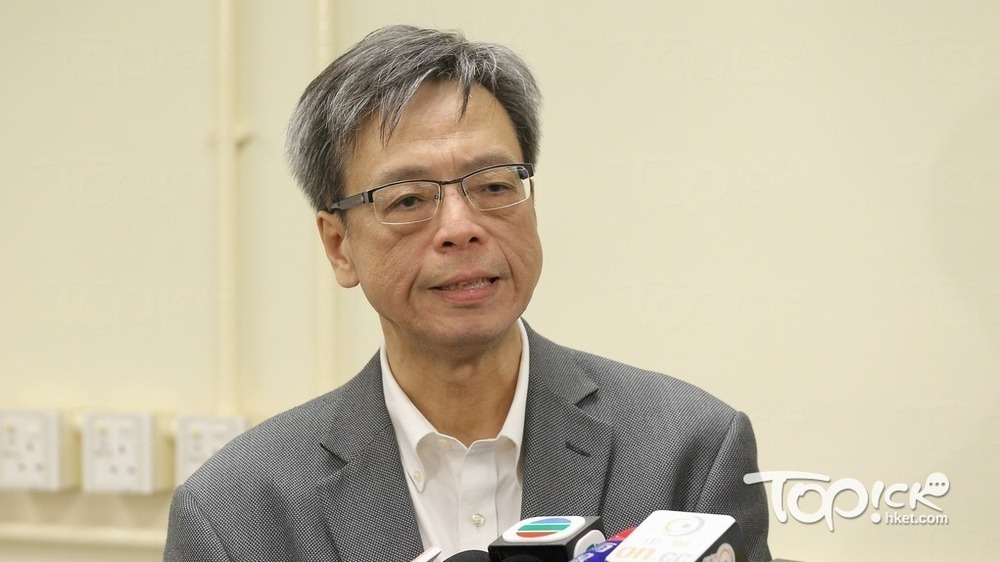
But respiratory expert Leung Chi-chiu said on a radio program yesterday he has not seen any sign of a potential sixth wave or large-scale outbreaks and this is because many people had already been infected in the fifth wave.
A possible sixth wave, however, could be triggered by imported cases carrying the Omicron BA4 or BA5 subvariant, Leung Chi-chiu added as he urged the government to tighten quarantine arrangements for aircrew.
He said clusters have emerged after the relaxation of social distancing measures and called for authorities to step up contact tracing by tracking up to seven days of the LeaveHomeSafe records of patients.
The Centre for Health Protection's head of communicable disease branch, Chuang Shuk-kwan, said one way of helping avoid a sixth wave is for people to receive a booster shot especially now since social distancing measures have been relaxed.
Chuang added that HKU earlier estimated that five to six million people had been infected in the fifth wave, meaning around two million could still contract the virus and cause a rebound in the pandemic situation.
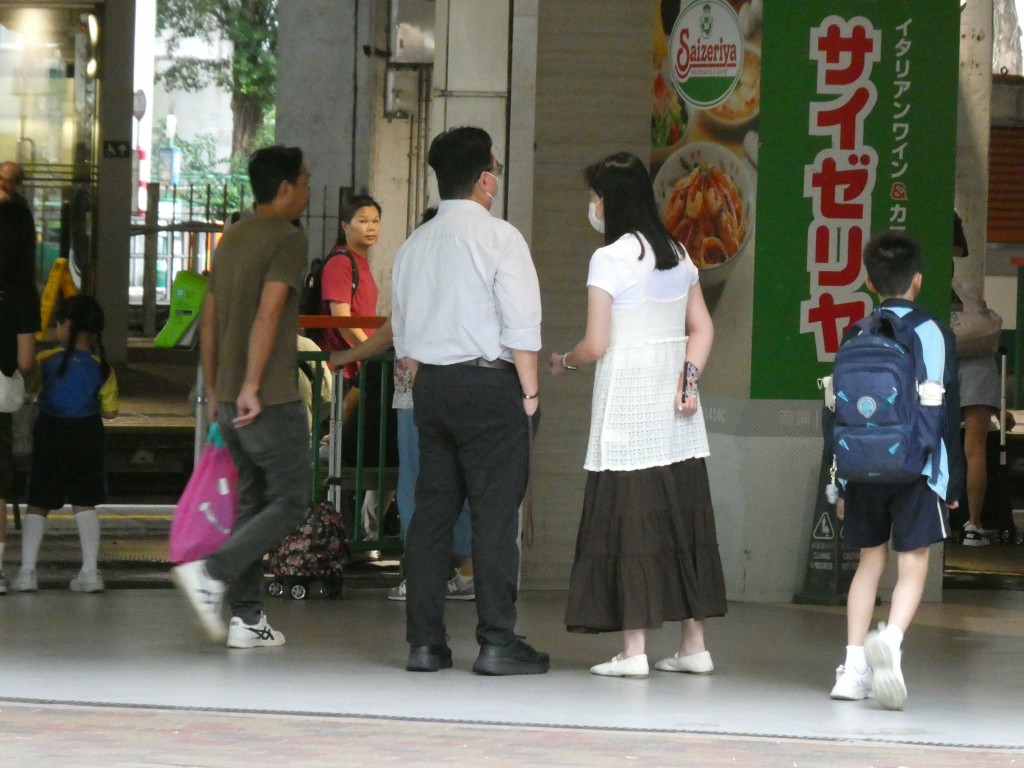
Gabriel Leung also defended HKU medical school's call for students and teachers to refrain from having meals in Kennedy Town on Thursday, saying it would have been irresponsible if a warning was not issued.
The viral load detected in the sewage samples in Sai Wan Estate, Kennedy Town, was over six million on that day, Leung tweeted. And according to data, he added, that potentially translated to more than 100 cases.
"Subsequent mass testing of the public housing estate yielded a positivity rate of 1.3 percent, against a population background rate of 0.1 percent, which was 10 [times higher]," he said.
Although the vaccination rate of first dose coverage in Hong Kong has exceeded 90 percent, Leung said people can still be infected and carry the virus into hospitals, leading to clusters among the most vulnerable.
"Our message was for staff and students who can be vectors of infection for the highly vulnerable patients in our teaching hospitals," Leung said. "We have an extra responsibility toward those we look after as opposed to our own risk."
But Simon Wong Ka-wo, head of the Hong Kong Federation of Restaurants and Related Trades, said Leung was "irresponsible for causing public panic" and the district's restaurant business suffered a huge blow.
wallis.wang@singtaonewscorp.com
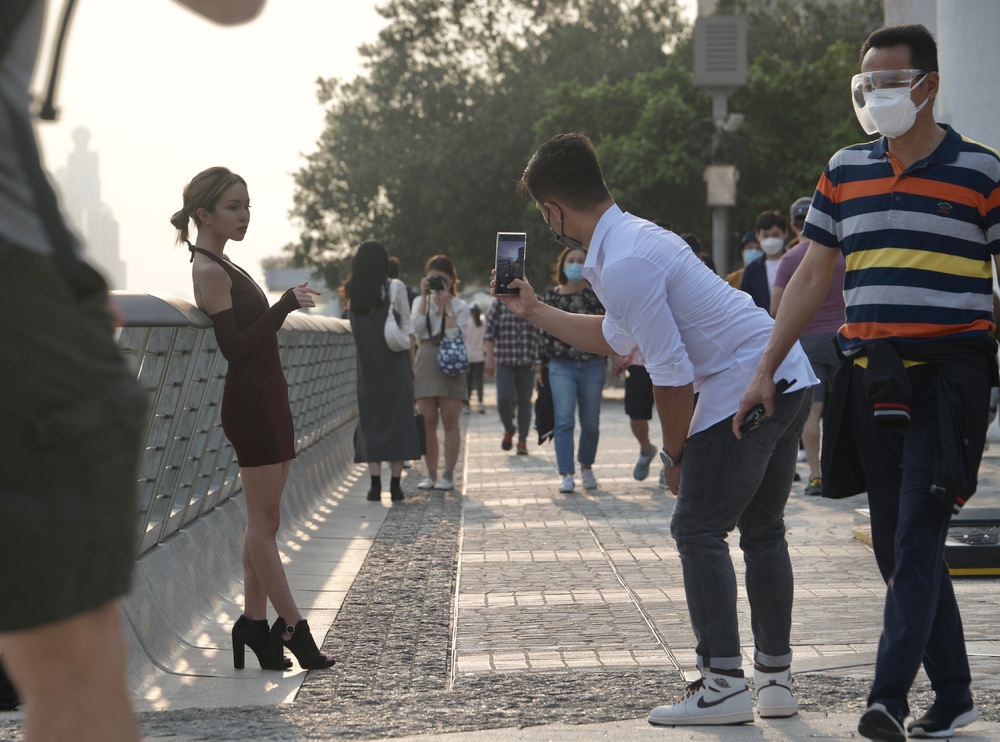
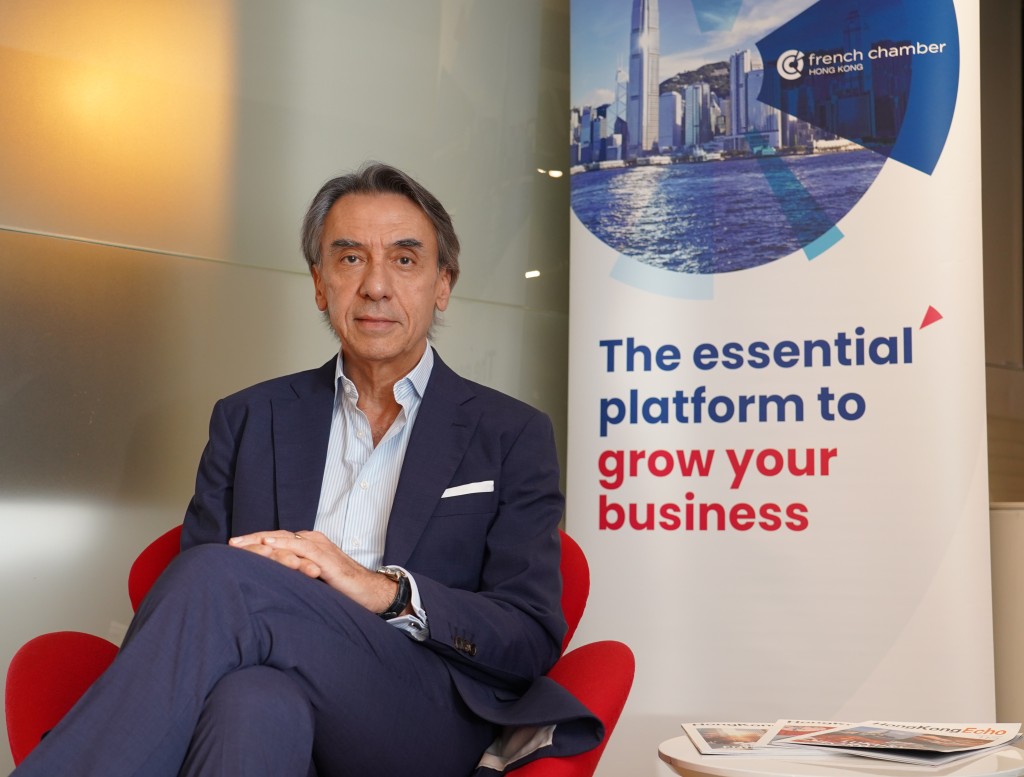
Amid relaxed Covid measures, a slight tilt in the wrong direction could trigger a sixth wave, says Gabriel Leung, left, but Leung Chi-chiu notes that he has yet to see any sign of a major flare-up occurring. SING TAO