Read More








September heat ranks among highest on record as Hong Kong turns drier
05-10-2026 18:24 HKT

Abby Choi's remains found in soup pots with carrots, court hears
05-10-2026 13:53 HKT
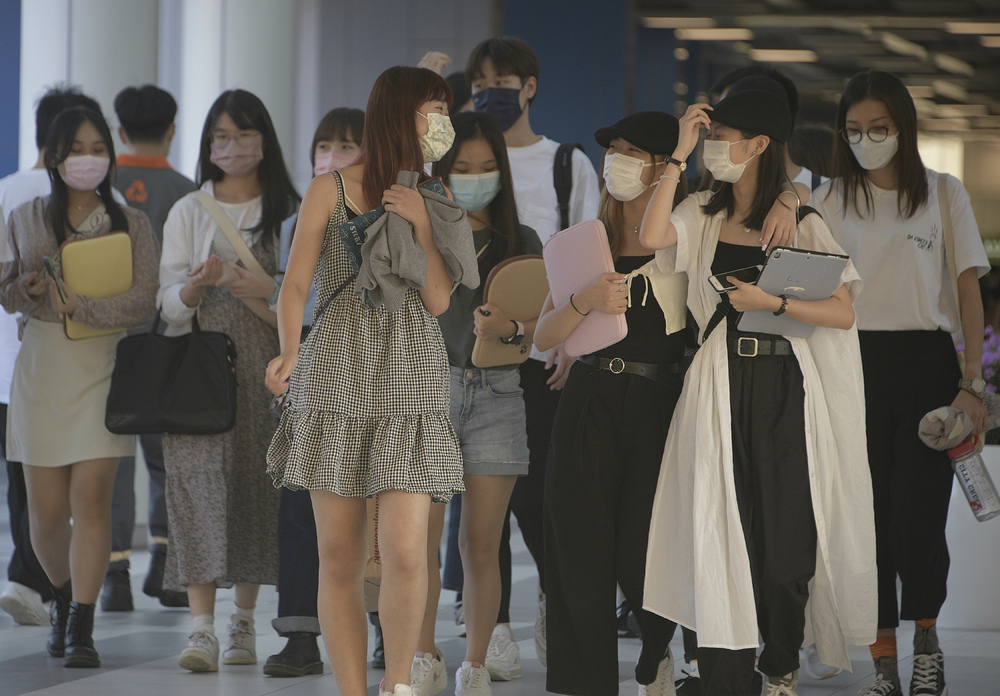
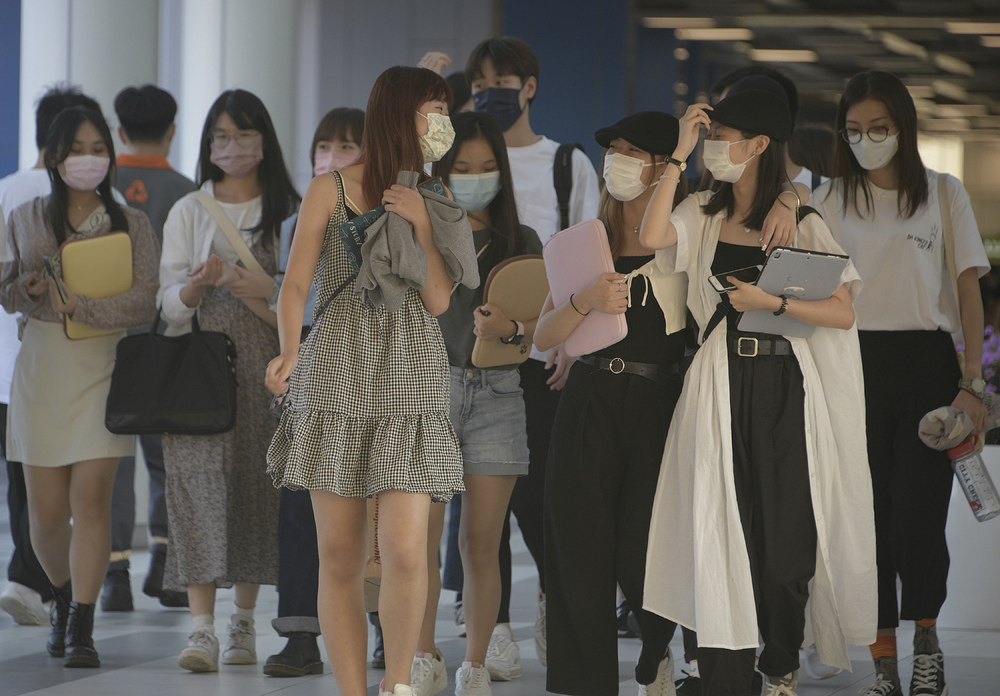
About 44 percent of DSE students said they would consider studying in the mainland after their university entry exams scheduled for next month, according to a Hok Yau Club survey.
The student counseling group surveyed in January 2,100 students taking this year's Hong Kong Diploma of Secondary Education exams and found an intention to study in the mainland among 44 percent of the respondents.
Of these students, 70 percent plan to list studying in the Greater Bay Area as their first choice.
The group said most students who put studying in the mainland as an option are from low-income families or have familial ties with the mainland, such as parents who are from there.
Meanwhile, those who do not wish to study in the mainland cited social, political and cultural differences.
Compared to last year's figure - a record low since 2014 - Hok Yau Club said the number of students pursuing studies in the mainland has been increasing steadily over the years.
Student Guidance Consultant of Hok Yau Club Ng Po-shing said: "Students who have closer ties with the mainland, including those who have relatives or were born in the mainland themselves, tend to have a stronger intention of pursuing studies there."
He added that of the 16 percent of students who showed stronger intentions, 60 percent have parents from the mainland while 43 percent were born in the mainland themselves.
Ng said students who have less connections with the mainland may have a limited understanding of the mainland education environment, leading to a lower interest in pursuing studies there.
About 53 percent of those who don't want to study in the mainland said they had no ties with the mainland while 47 percent have not been there in the past three years.
The survey revealed that the economic status of students who wish to study at mainland universities is comparatively lower than that of other students - some 29 percent of the former group were collecting their full grant of school textbook financial assistance.
"Pursuing studies in the mainland is quite "cost-effective" in terms of the tuition fee, quality of universities and future job opportunities for families with lower economic status," Ng said.
Hok Yau Club advised students to be more open minded and research the education environment in the mainland keeping in mind the future development of the Greater Bay Area.