Read More






Morning Recap - September 10, 2026
6 hours ago




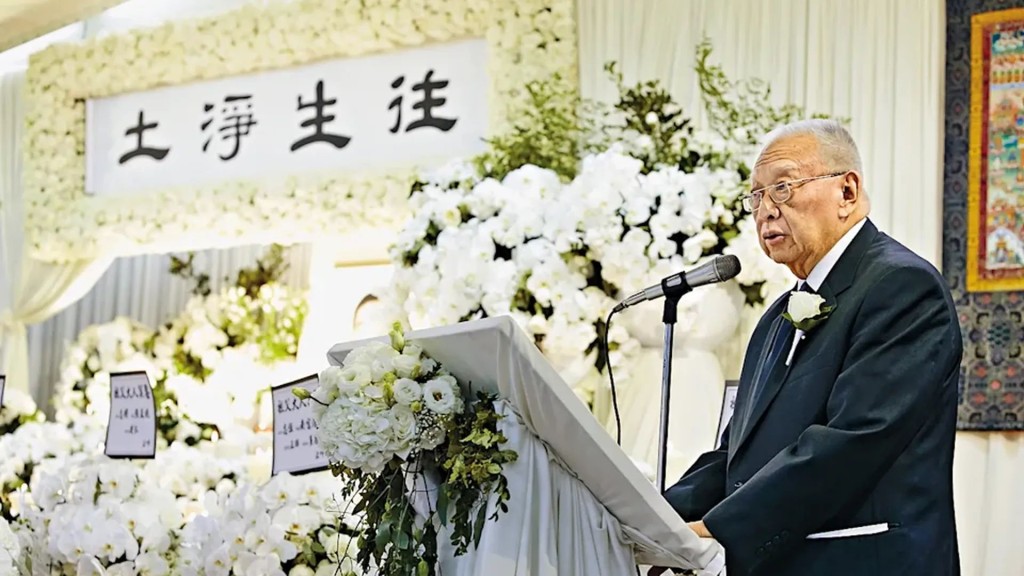
Tung Chee-hwa's funeral: Will HK see a third state funeral?
09-09-2026 05:37 HKT
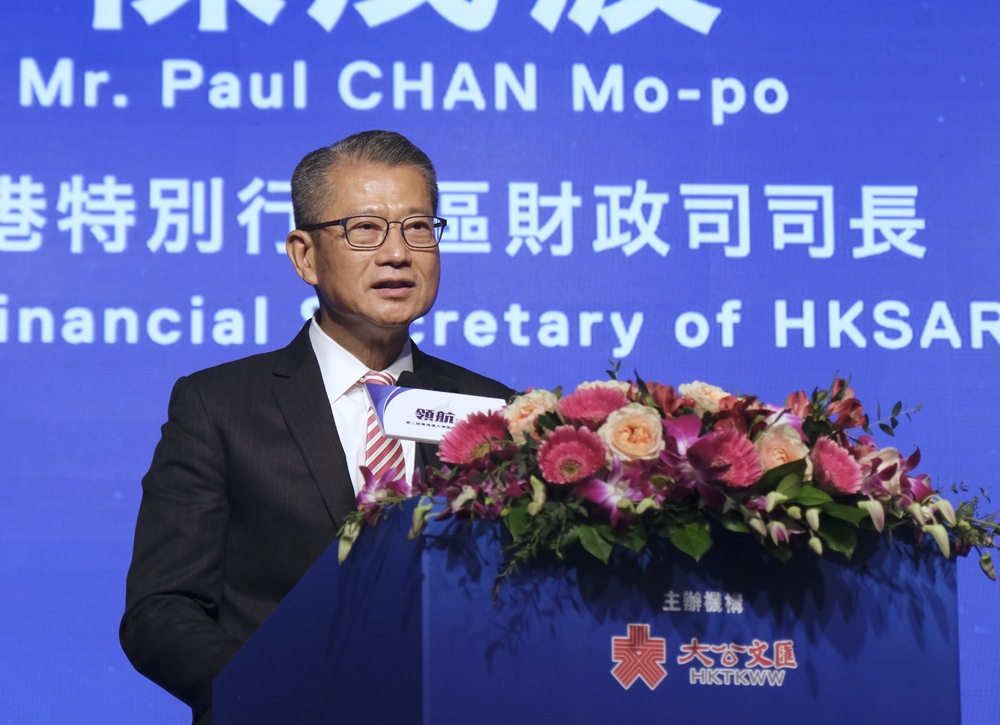
Hong Kong should work toward achieving "common prosperity" to put citizens' livelihood as its top priority, Financial Secretary Paul Chan Mo-po said.
Chan said in his blog yesterday that the goal was set in the 19th Central Committee of the Communist Party of China's sixth plenary meeting in Beijing last week, which has "huge significance" to Hong Kong.
He also noted there is no shortcut in pushing forward common prosperity, and society must strive to create wealth and share the fruits of success together.
"Not only should we make a bigger cake, but we should also split the cake fairly," Chan said.
He said the SAR will focus on innovation and technology development, therefore pushing forward a vigorous and diversified economy to maintain the momentum of economic growth.
Chan also touched on the Legislative Council election to be held on December 19, saying that it would be a fierce competition given the number of applicants. The candidates' backgrounds were also more diverse and represent a wider spectrum of society than in the past.
"It is imaginable that the future Legco will propose more diverse viewpoints and opinions to the administration, and better push Hong Kong to have a new phase of good governance," he said.
Meanwhile, the Chinese Association of Hong Kong and Macau Studies vice president Lau Siu-kai said Hong Kong will further strengthen its ideological education.
The communique of the sixth plenary session mentioned that the Central Committee has adopted measures to address issues in the city, and resolutely implemented the principle that Hong Kong should be governed by patriots.
The moves are said to have helped restore order in Hong Kong and laid a solid foundation for advancing its law-based governance, which can secure the continued success of the "one country, two systems" policy.
But Lau said on a televised interview that Hong Kong still has to push forward with national education and education on the Basic Law, which helps cultivate Hongkongers' sense of belonging to China.
This can also eliminate the impacts of the anti-China, anti-communism or Hong Kong independence sentiments that interrupted the city's development, Lau said.