
Read More







Morning Recap - October 16, 2026
9 hours ago

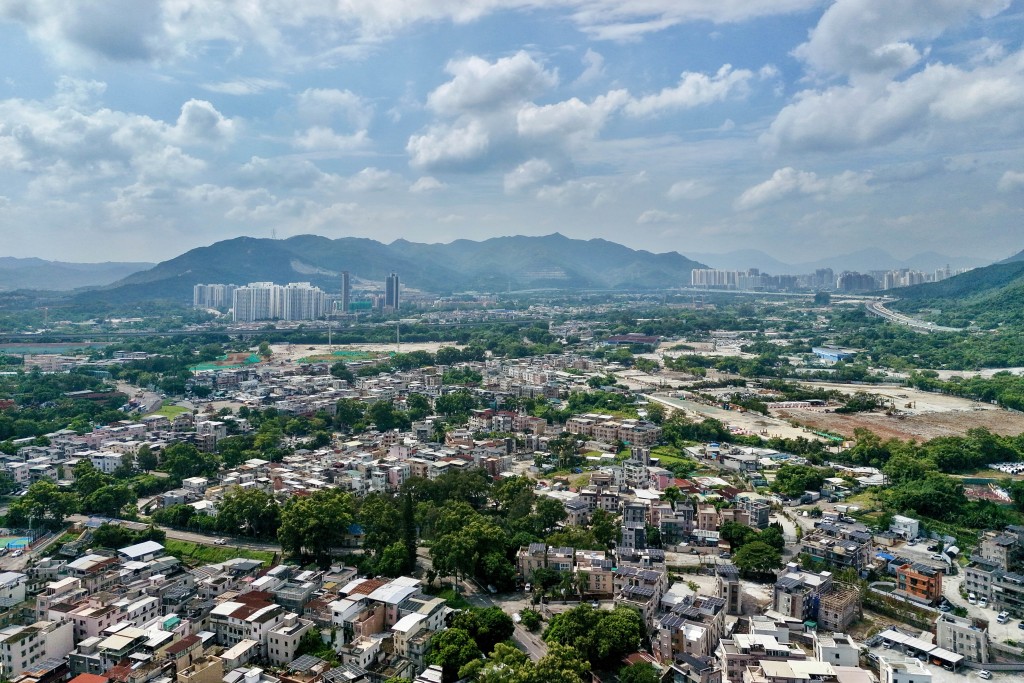
Second Guangzhou-Shenzhen high-speed rail to link HK as three routes weighed
15-10-2026 13:30 HKT
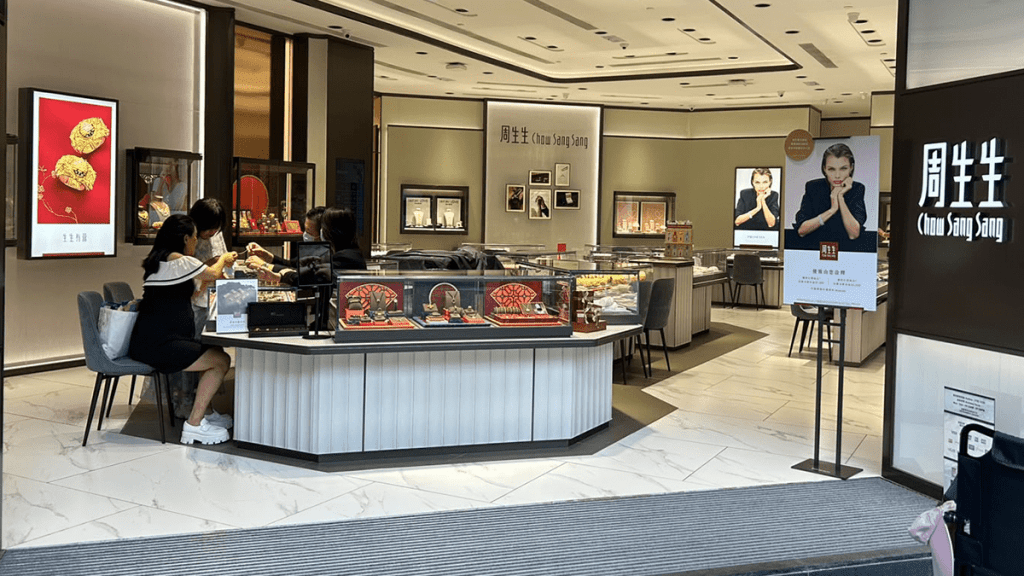
Man steals gold chain worth $70,000 from Tai Po jewelry store
14-10-2026 17:37 HKT
Delayed shipments amid the pandemic have greatly disrupted the supply chain, causing prices of commodities with the cost of Thailand rice in Hong Kong to surge 70 percent, a dealers' association said.
Hong Kong & Kowloon Provisions, Wine & Spirit Dealers' Association chairman Yip Pun-leung described the cost of canned goods in Hong Kong as almost sky-high, due to the 15 percent exchange rate difference between the yuan and Hong Kong dollar and 17 percent value-added tax.
"If there's no subsidy [of the value-added tax] from the country, you couldn't get a can of fried dace fish with salted black beans even if you offered to pay HK$50," Yip said.
Pearl River Bridge's fried dace fish with salted black beans now costs HK$30 a can.
Aside from canned food, he said the price of rice from Thailand has increased by 70 percent due to the epidemic outbreak and flooding.
The supply of rice is also limited by the fact that each cargo vessel has a quota for rice, which merchants would have to wait for next month's sailing schedule if they miss the previous one.
He said only 20 percent of rice in Hong Kong now is from Thailand and 70 percent is from Vietnam.
However, Yip urged Hongkongers not to panic as the government requires rice stockholders to store three months' supply.
Yip said the trade war between China and the United States has led to a reduction of orders from Europe and the US to Hong Kong, driving up logistics costs. The price of shipping containers has increased 10 times to US$18,000 compared to pre-pandemic.
Yip expects logistics costs to have increased at least 30 percent because of a shortage of manpower in farms and factories in foreign countries during lockdown causing manufacturers to miss the shipping schedule and create a shipping delay.
Lee Fung-nin, owner of local food supplier Tung Tai Hong, has seen the price of rice from Thailand and Vietnam most affected by the cost of logistics.
The wholesale sector has seen the cost of rice rise by around 20 to 30 percent this year.
He expects no immediate change in the coming few months unless the pandemic situation subside in the origin countries.
Willy Lin Sun-mo, chairman of the Hong Kong Shippers' Council, said on a radio program there was a storage shortage in Europe and the US, with more than 90 cargo vessels in the US West Coast waiting for docking. This showed that the turnover speed of cargo ships had decreased and the situation could continue for five to six years.
Simon Wong Ka-wo, president of the Federation of Restaurants and Related Trades, said due to the worldwide logistics problems, the demand for mainland products had increased, driving up the cost of mainland produce.
For example, the cost of fresh beef had increased by 8 percent recently. He also expected ingredients from the mainland would increase by 50 percent by the end of the year, which would also be attributed to the rising demand for food products during Christmas and New Year's Eve.
Mainland media reported yesterday that the price of vegetables in Guangzhou has surged, which has led to lower supplies.
A catty of spinach in the mainland costs 10 yuan, which is more expensive than a catty of pork at 8 yuan in the wet market.
Wong said the surge of prices in the mainland has not been reflected in Hong Kong's market.
Hui Wai-kin, head of the Pork Traders General Association, said the price of pork would either remain the same or just mildly rise by the end of the year, without revealing the percentage of increase.
Hui said the auction price for pork in Hong Kong has dropped by 30 percent from 2019.
Pork is "too cheap" as the cost of a pig is lower than the cost for raising it. This has made pigs seem not profitable, which has lowered their supply.
The high operational cost in rent and the yuan remaining high could also contribute to the minor increase by the end of the year.
maisy.mok@singtaonewscorp.com