
Read More






Night Recap - September 25, 2026
17 hours ago







UK denies BN(O) visas to Hongkongers with protest convictions: report
23-09-2026 18:59 HKT
Health authorities in Hong Kong are investigating a locally acquired rat hepatitis E infection in a 91-year-old man, marking the third such diagnosis recorded in the city this year.
The patient, who has pre-existing medical conditions, was admitted to Queen Elizabeth Hospital in mid-September after suffering from fever and limb weakness. Blood tests revealed abnormal liver function and confirmed the presence of the rat-borne virus.
Presenting with mild symptoms, the man remained in stable condition throughout his stay and was discharged on Saturday following recovery.
Epidemiological investigations conducted by the Centre for Health Protection (CHP) revealed that the patient resides in a Kowloon City District care home and had no recent travel history.
While the man reported no direct rodent contact, he regularly dined with his family at a restaurant in Homantin Plaza.
Health officials noted that indirect transmission through contaminated food or surfaces could not be ruled out. His family members, fellow residents, and caregivers have been placed under medical surveillance, with none developing symptoms so far.
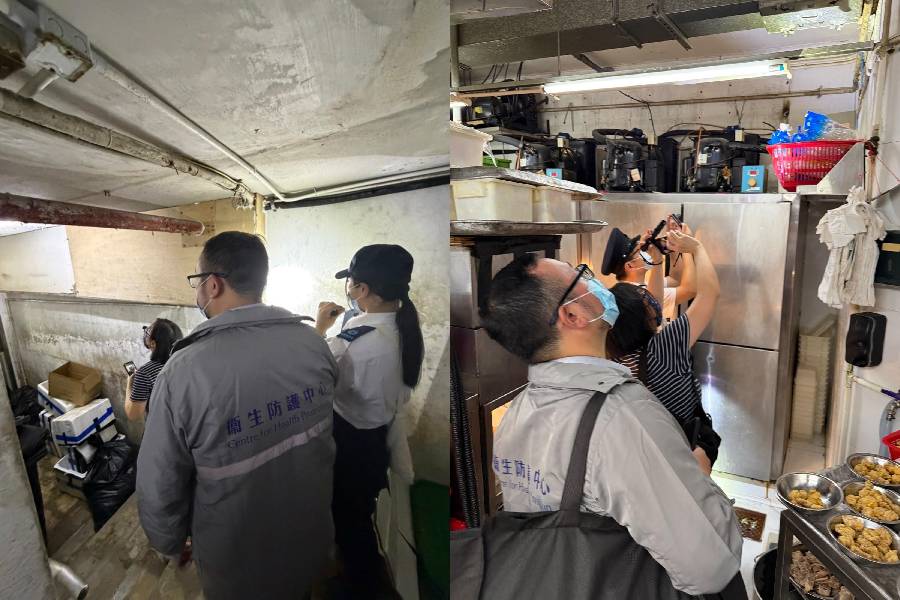
Joint inspections by health and environmental hygiene officers at the Homantin Plaza eatery uncovered substandard sanitation alongside signs of rodent activity.
The Food and Environmental Hygiene Department (FEHD) initiated a prosecution against the licensee under the Food Business Regulation and issued a formal vermin eradication notice while stepping up disinfection and pest control across adjacent public thoroughfares.
Health specialists noted that the virus predominantly affects immunocompromised individuals, causing mild symptoms such as fatigue and reduced appetite rather than severe jaundice.
Because the pathogen spreads via food, water, or objects contaminated with rodent excreta, authorities urged the public to practice thorough handwashing, ensure food is cooked thoroughly, use diluted household bleach for disinfection, and keep waste in covered bins to eliminate pest nesting sites.