Read More





Morning Recap - September 25, 2026
8 hours ago


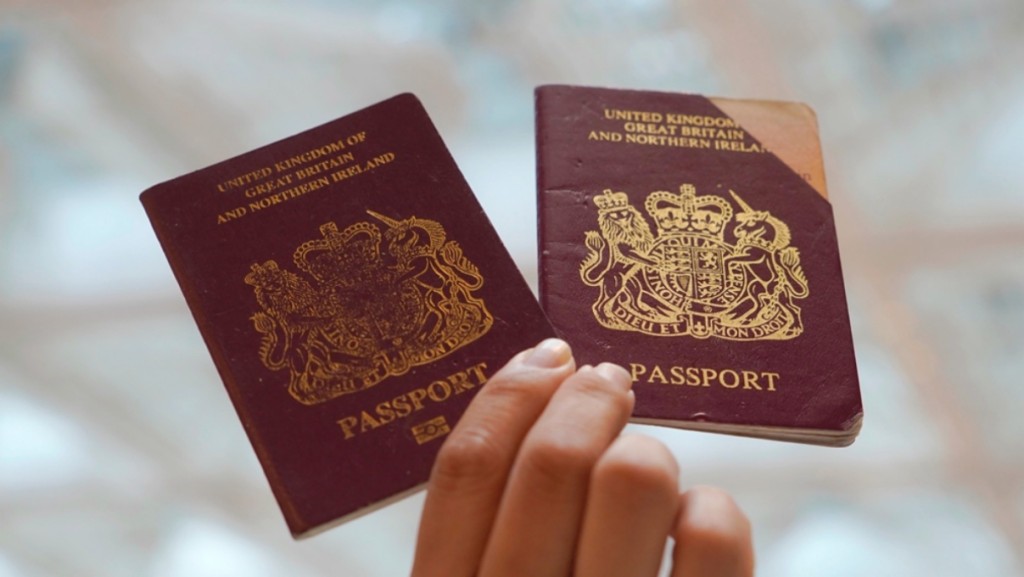
UK denies BN(O) visas to Hongkongers with protest convictions: report
23-09-2026 18:59 HKT


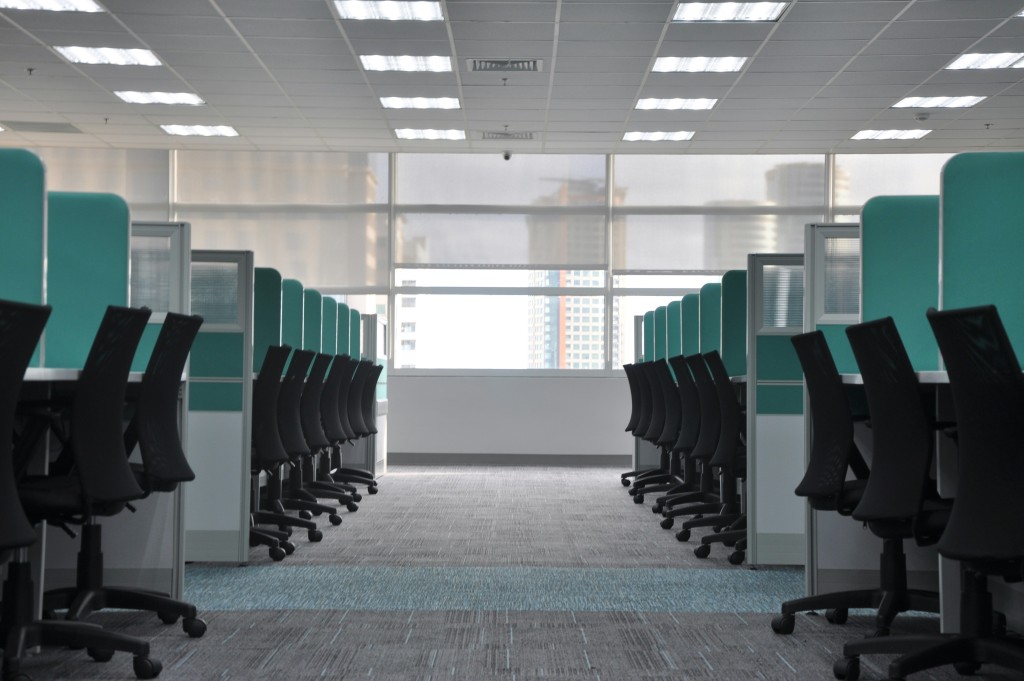
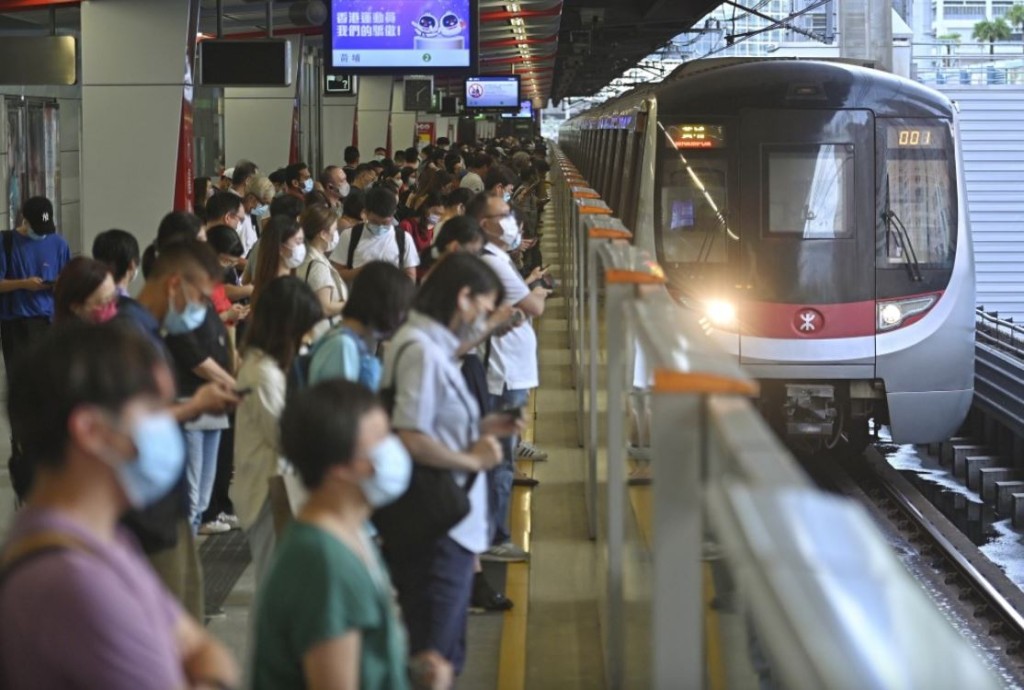
As the Mid-Autumn Festival approaches, the question foremost on the minds of Hong Kong employees is when they will be allowed to leave their desks to celebrate with their families.
A satirical grading chart ranking company dismissal times has recently gone viral on the social media platform Threads, striking a chord with thousands of local workers who eagerly compared their employers to the tier list.
The viral post established four primary benchmarks to measure corporate generosity ahead of the holiday.
At the pinnacle were top-tier organizations that granted full paid days off or closed operations entirely for the festival.
The second category represented benevolent firms permitting staff to leave around midday for a half-day off.
The standard tier encompassed ordinary workplaces releasing employees between mid-afternoon and late afternoon, while the lowest tier designated sweatshops where employees worked normal hours without any early release or were subjected to overtime.
The comment section quickly saw workers at the upper end of the spectrum recounting their favorable perks. Several netizens reported that their supervisors not only granted an early departure at lunchtime, but also treated the entire office to dim sum before sending everyone home.
Other workers claimed an even higher classification, noting that their pre-arranged rosters already scheduled their regular rest days over the holiday weekend.
Some shared that their employers took a pragmatic approach by granting a full holiday on the day itself, acknowledging that staff would be too distracted by festival preparations to remain productive at work.
Behind the surface-level perks, many employees pointed out compromises and hidden conditions associated with early dismissals.
Several netizens explained that receiving a half-day off often required coming to the office correspondingly earlier in the morning, turning the perceived benefit into a mere shifting of standard working hours.
Others described sudden spikes in workload handed down on the day of the festival, forcing them to choose between working through the night at home or coming into the office the following day to clear backlogs.
Employees operating under remote or flexible arrangements similarly noted that working from home provided little relief, as continuous assignment updates functioned as an invisible tether throughout the festive evening.
The lively discussion also illuminated the contrasting realities experienced by workers outside traditional corporate office environments.
Educators from primary and secondary schools observed that academic duties never permitted early departures, placing the teaching profession among the most demanding during festive seasons.
Employees in the financial trading sector similarly explained that market operations required their desks to be manned until closing, while banking personnel remained bound by rotating shift schedules.
Frontline retail, warehouse, and logistics workers described their festival shifts as a frantic battle to meet customer demand while seeing families stroll past to celebrate. At the same time, commenters emphasized that public servants and public hospital personnel consistently worked standard hours to safeguard vital municipal services, drawing wide appreciation across the online community.