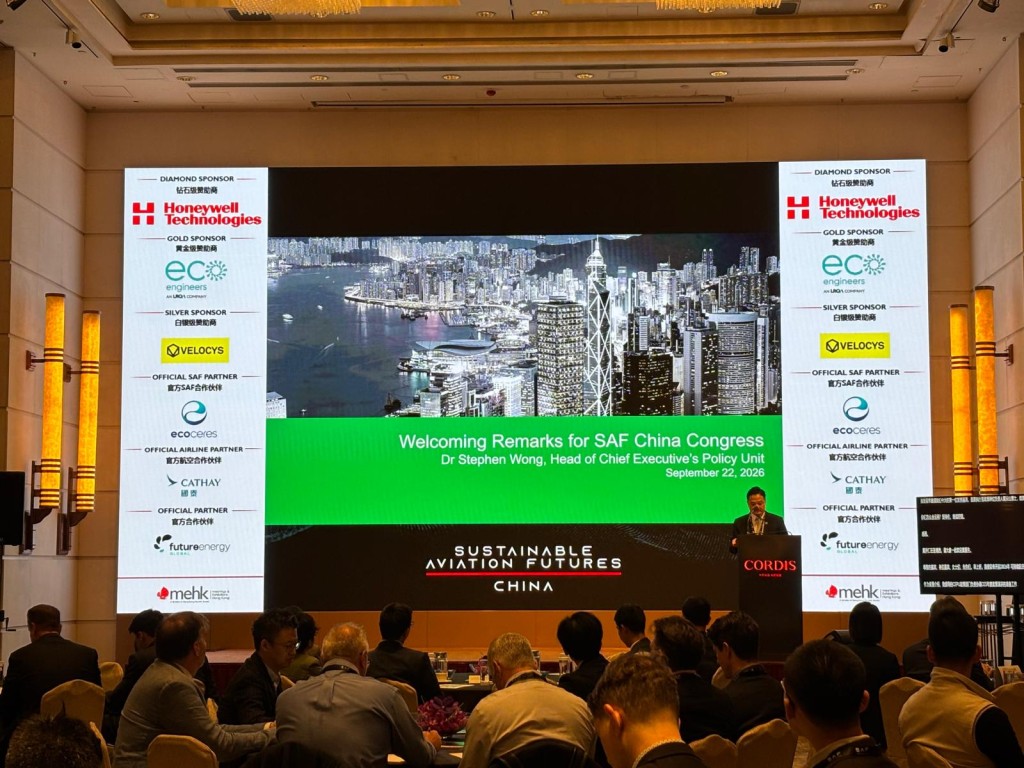
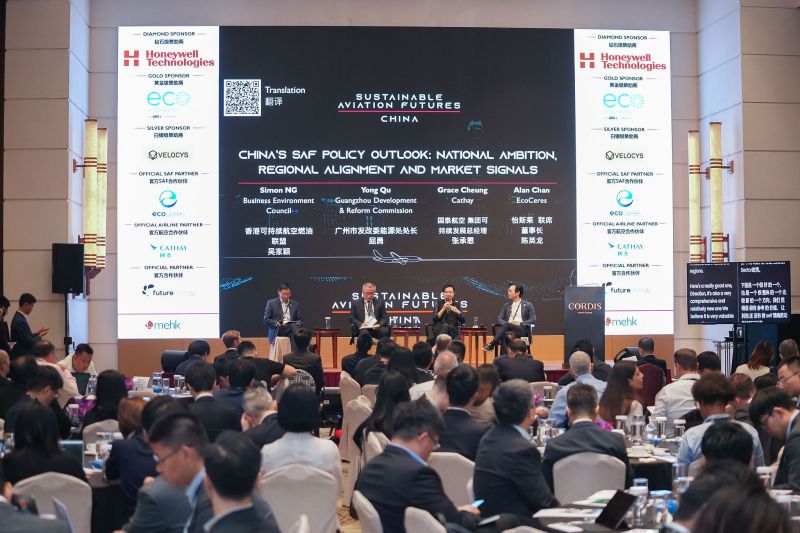
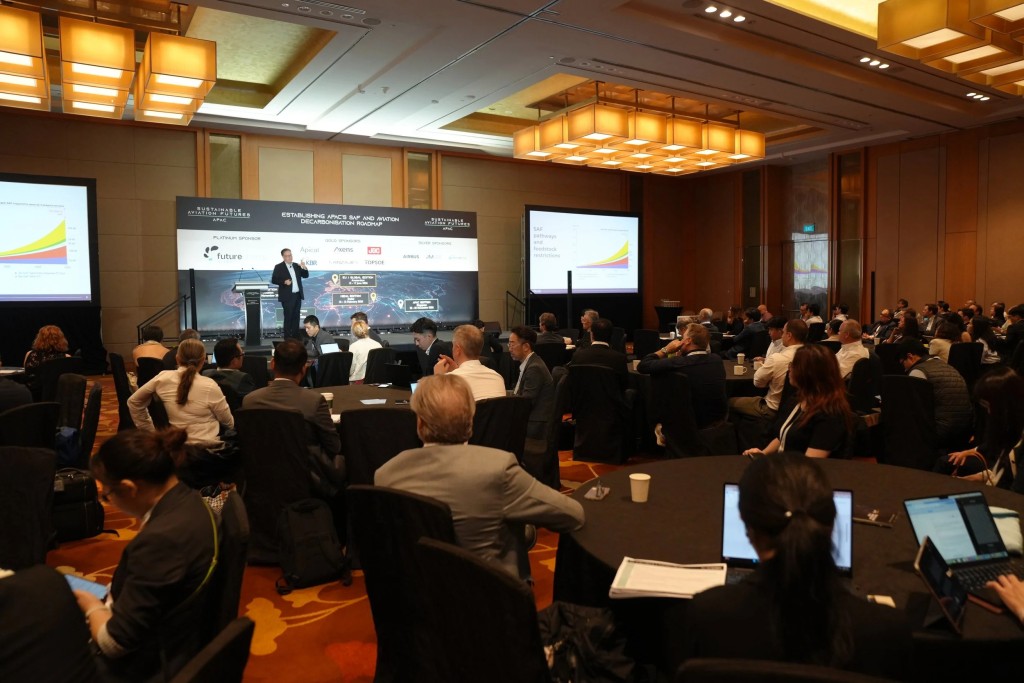
Key government and industry leaders continued to discuss strategies to scale sustainable aviation fuel (SAF) on the second day of the two-day Sustainable Aviation Futures China Congress, emphasizing that establishing Hong Kong as a regional SAF hub requires coordinated policy, credible certification and investable Greater Bay Area supply chains.
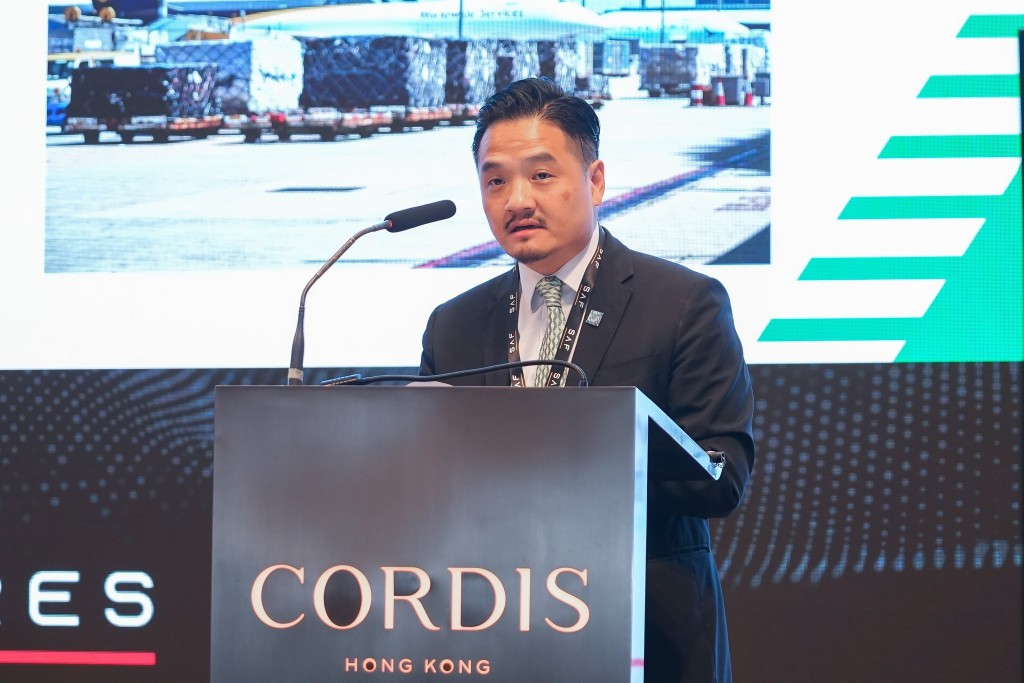
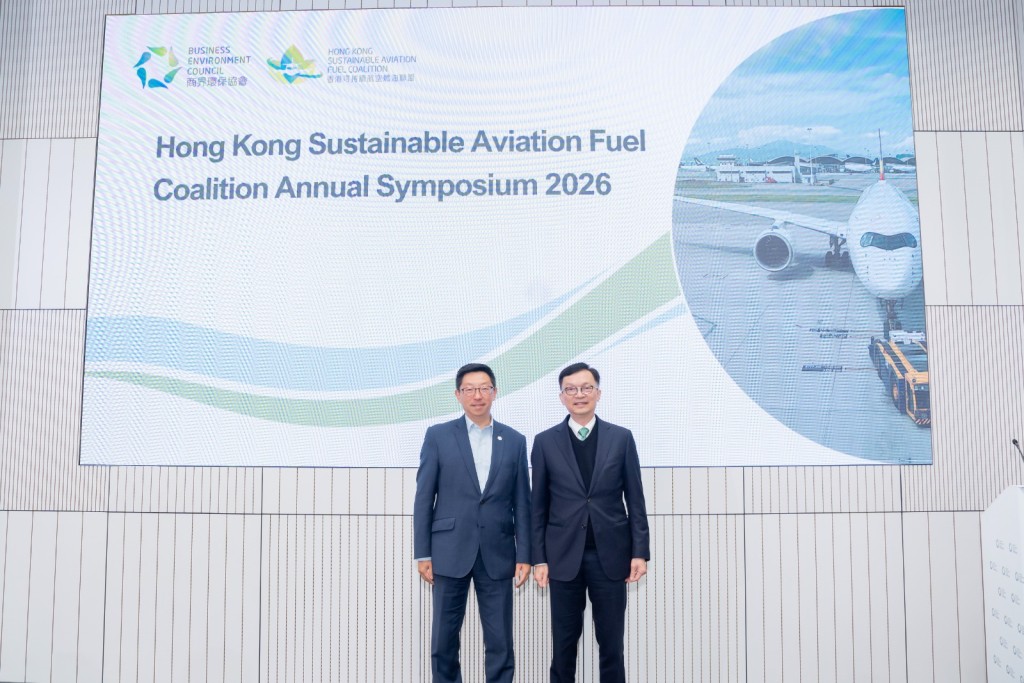
Delivering his opening speech, Stephen Wong Yuen-shan, head of the Chief Executive’s Policy Unit, said SAF has rapidly risen on Hong Kong’s agenda, moving from a brief mention in the 2023 Policy Address to a standalone track in the First Five-Year Plan and the 2026 Policy Address. He said the SAF policy work followed a three-year evidence-based process, engaging industry, tracing feedstocks, visiting mainland production and commissioning further research, to shape practical measures including supply, standards and certification.
Stephen Wong
“For Hong Kong, SAF offers more than environmental gains or a new source of growth. It is an opportunity to build a cross-boundary industry, strengthen our international aviation hub, and contribute to the nation's energy security, influence in cleaner fuels and green commitments. The opportunity is commercial, but its value is strategic,” he said.
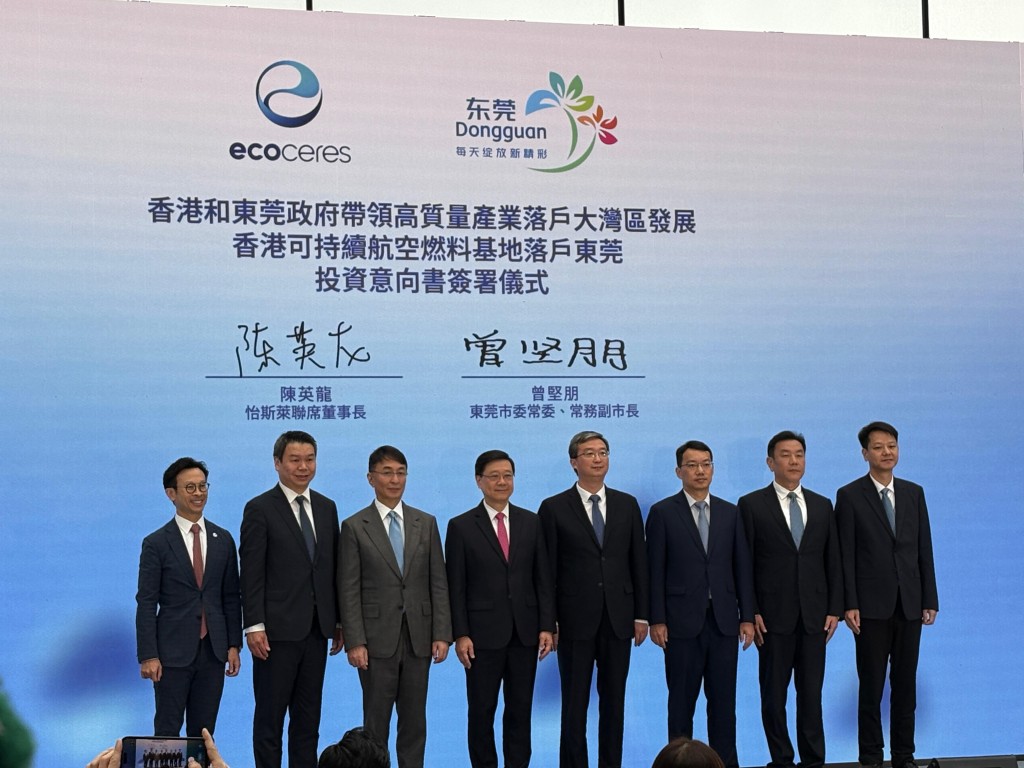
Wong cited the upcoming Dongguan SAF plant, saying Hong Kong can focus on finance and certification rather than local production to build a scalable, investable regional SAF market.
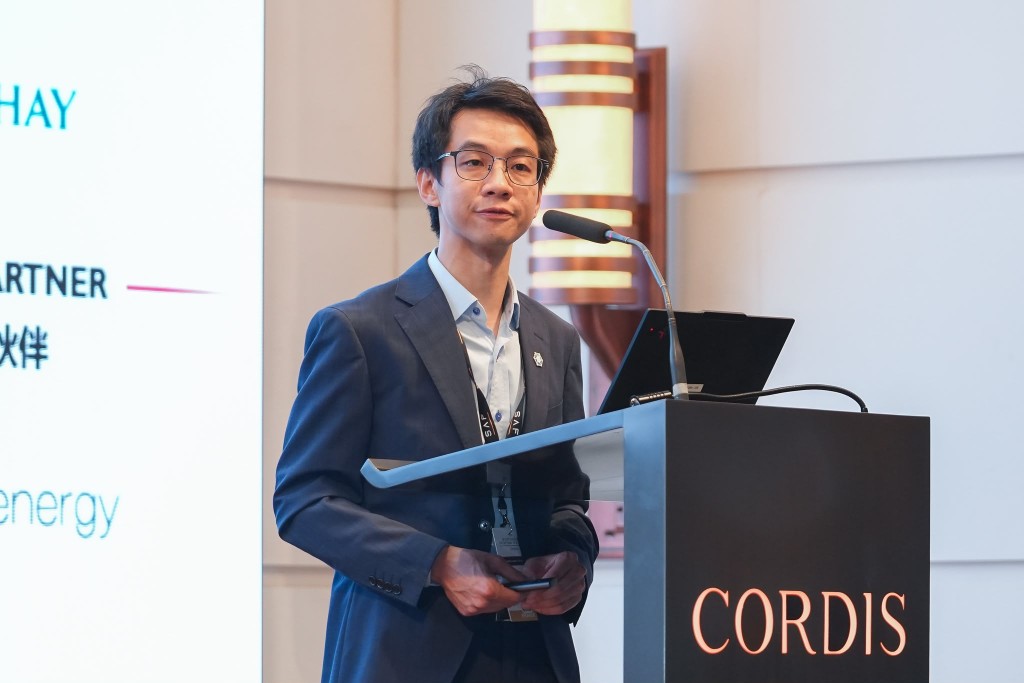
Merlin Lao Man-chi, head of policy and research at the Business Environment Council, presented updated policy recommendations from its white paper to accelerate SAF adoption in Hong Kong.
He calls for a comprehensive study to design tailored demand measures ahead of the government’s proposed 2028 mandatory consumption ratio study.
Merlin Lao calls for a comprehensive study to design tailored demand measures ahead of the proposed 2028 mandatory consumption ratio study.
The study should assess how costs are shared among stakeholders, consider protections for transit passengers and trans-shipment cargo, set a strategic target for 2035, and introduce flexible compliance measures—such as a 24-month delivery window—to cushion buyers against price volatility and temporary supply disruptions.
To protect the physical fuel market, the white paper urged open, transparent access to airport fuel infrastructure for multiple certified suppliers.
Lao also recommended establishing a dedicated interdepartmental GBA task force. “A production plant and blending facility will not create a seamless supply chain if institutional processes remain uncertain. So, this task force should work through customs procedures, export arrangements, and catchment, and make local classification and testing requirements predictable,” he said.
He added that Hong Kong should align its sustainability certification and corporate reporting with internationally recognized frameworks.
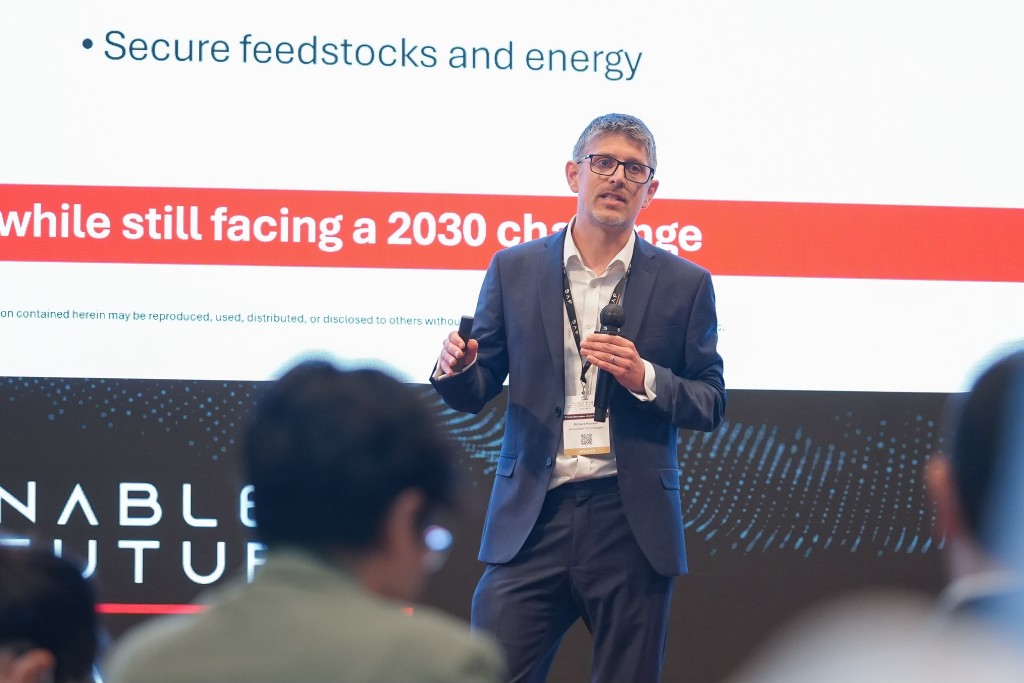
Richard Pearson
Meanwhile, Richard Pearson, offering manager of Honeywell Technologies, stressed that scaling SAF requires moving beyond the dominant Hydroprocessed Esters and Fatty Acids (HEFA) pathway to deploy a “mosaic’ of diverse technologies, including Power-to-Liquids, Fischer-Tropsch (FT), and Methanol-to-Jet.
“There is no universal solution to SAF. It does depend on where you’re looking to deploy it, the size you’re looking to deploy, the feedstock available, and looking for the right solution for that system,” he said.