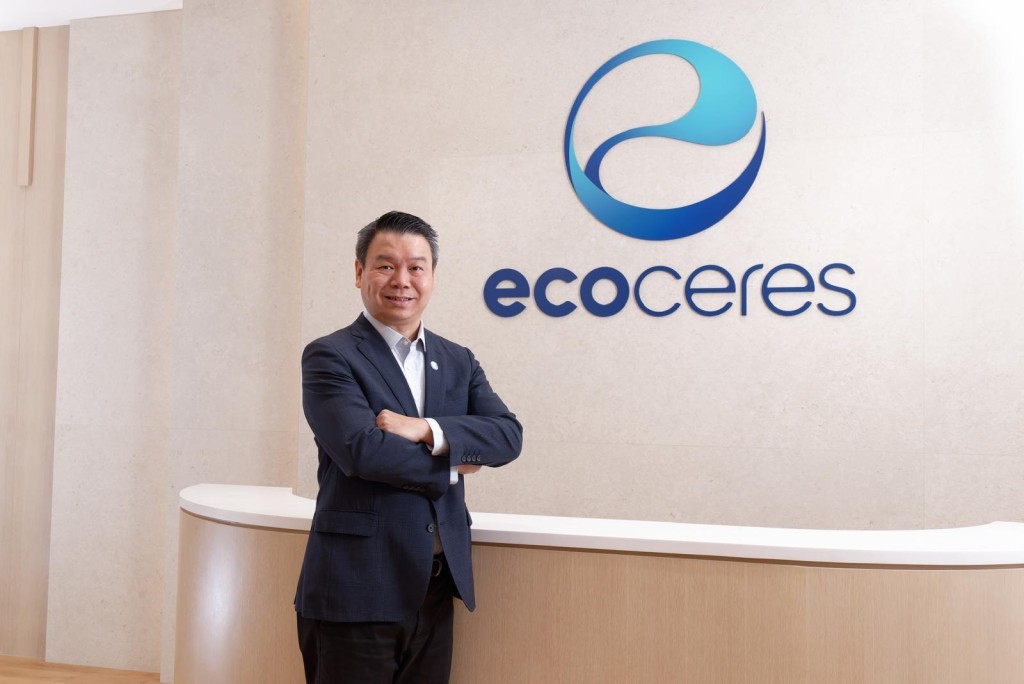
With the clock ticking amid intensifying climate risks and geopolitical uncertainty, Hong Kong is under pressure to move sustainable aviation fuel from a vision into the pipeline, said James Tam Chor-kiu, co-chairman of Hong Kong-based biofuel producer EcoCeres.
SAF is a renewable fuel and an alternative to fossil-based jet fuel. The urgency to adopt green jet fuel comes from the surging demand for air travel. According to the International Air Transport Association, global passenger demand will more than double by 2050, reaching 21.9 trillion revenue passenger kilometers, measured by multiplying the number of paying passengers by their distance traveled in kilometers.
Without a shift from conventional jet fuel, the growth would produce at least 1.8 billion metric tonnes of carbon emissions.
Ahead of the inaugural Sustainable Aviation Futures China Congress that kicked off in Hong Kong today (Sep 20), Tam said cutting emissions is only part of the challenge as aviation must also withstand an increasingly unstable operating environment rooted in fossil-fuel dependence.
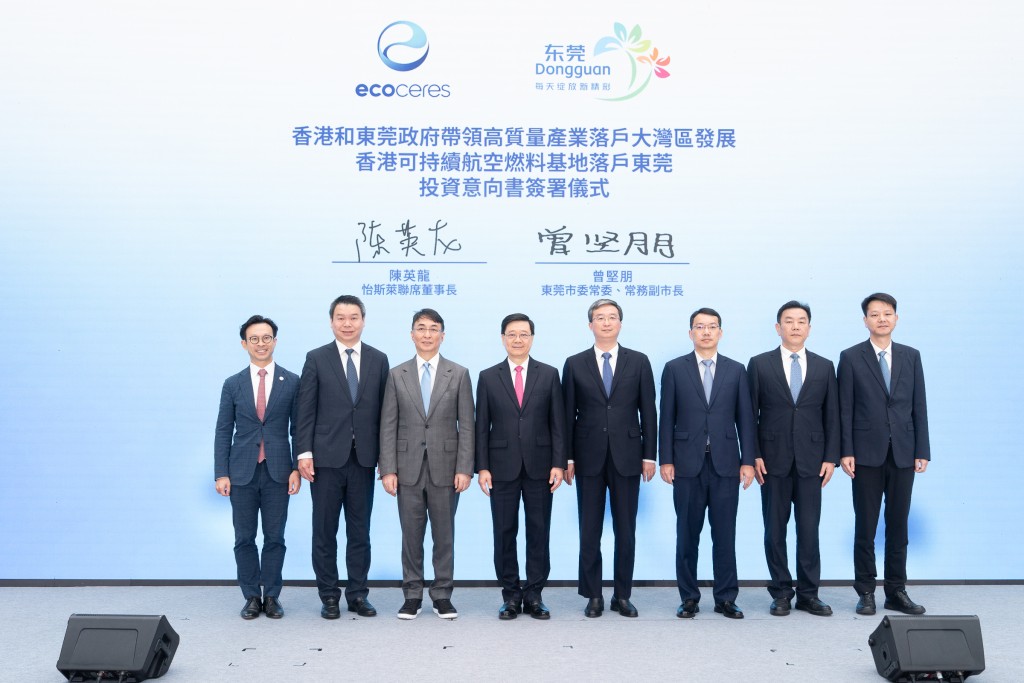
John Lee attended the MoU signing ceremony for Hong Kong's Sustainable Aviation Fuel base in Dongguan in May.
Incubated by Towngas in 2008, EcoCeres is now the world's second-largest SAF producer.
At the height of the Iran conflict, he noted the International Energy Agency once warned that Europe had “maybe six weeks or so” of jet fuel left as flows through the Strait of Hormuz were choked. The heavy dependence on imported crude oil, Tam warned, ties airlines and passengers directly to the geopolitics of oil markets and exposes the industry to knock-on effects whenever key shipping routes or chokepoints are disrupted.
"SAF offers a way to ease the pressure," he said, emphasizing that the fuel – derived from local feedstocks such as used cooking oil – represents a near-term pathway for sustainable aviation.
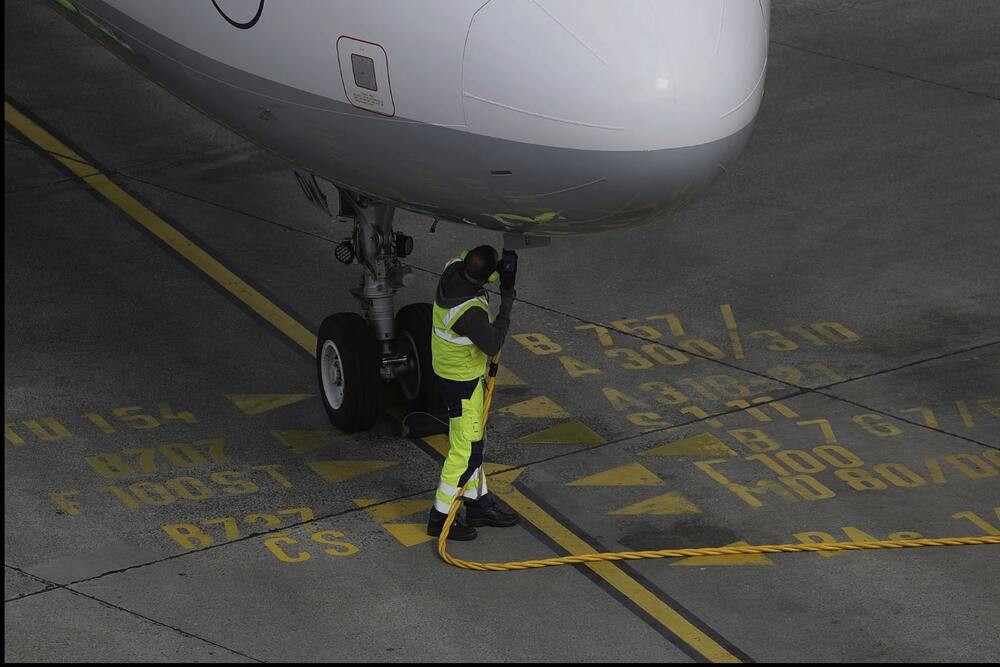
Chemically almost identical to conventional jet fuel, SAF can be used as a "drop-in" fuel without any redesign of aircraft or airport infrastructure, potentially reducing lifecycle carbon emissions by more than 80 percent.
Reports suggest that the eco-friendly fuel is projected to contribute about 65 percent of the reduction in emissions needed to reach the net-zero target in 2050.
As listed in the city's First Five-Year Plan and Policy Address recently, the government focuses on developing an internationally competitive SAF value chain in Hong Kong and the wider GBA, supporting the city's commitment to achieve carbon neutrality before 2050 while targeting to reach an SAF consumption ratio of 1 percent to 3 percent for flights departing from Hong Kong International Airport (HKIA) in 2030. Authorities will also study establishing a mandatory consumption mechanism by 2028.
To support this goal, the Hong Kong Sustainable Aviation Fuel Coalition was launched by the Business Environment Council, bringing together airlines, banks, fuel suppliers and other industry players.
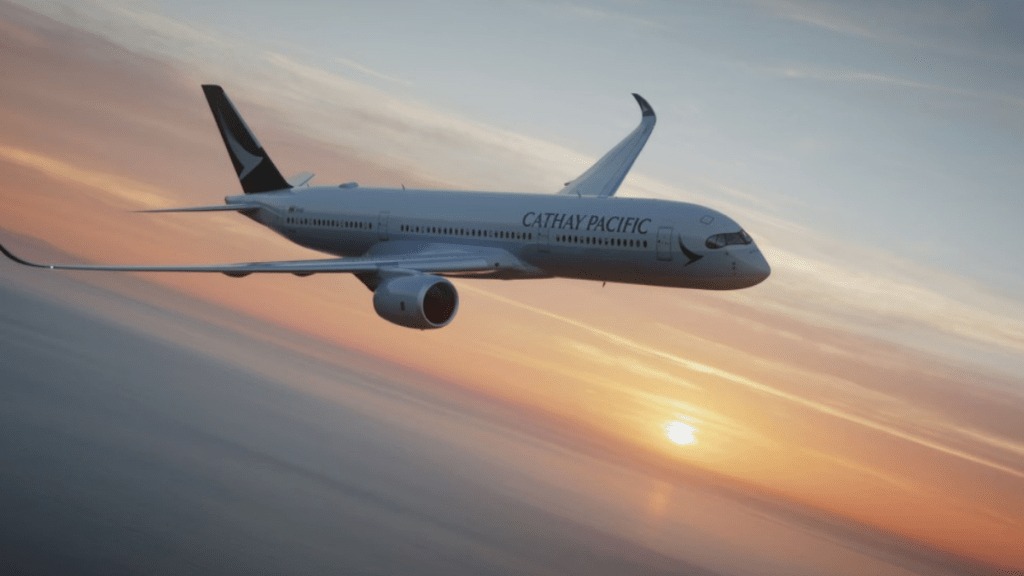
As a co-initiator, Cathay Pacific has set an internal target of raising SAF to 10 percent of its total fuel consumption by 2030 on its path to carbon neutrality by 2050.
Notably, the airline's voluntary corporate SAF program, launched in 2022, drove about 17,400 tonnes of SAF use in 2025 across 17 global partners – up nearly 180 percent year on year. The usage reportedly cut about 54,600 tonnes of carbon dioxide equivalent on a lifecycle basis.
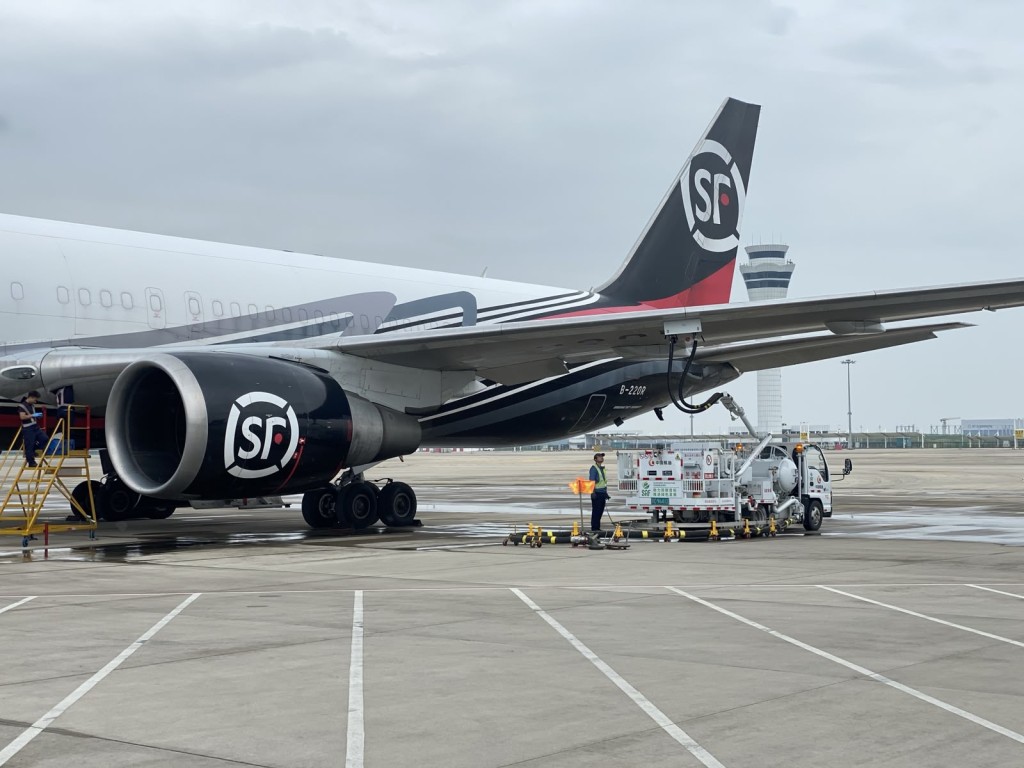
DHL Express is among the partners contributing to the effort, enabling the first SAF uplifts on Air Hong Kong, a wholly owned Cathay Group subsidiary.
Cathay Pacific has set a 10 percent SAF target for 2030, part of its push for carbon neutrality by 2050.
Beyond imports, Hong Kong and the Dongguan government signed a memorandum of understanding to build a regional SAF value chain.
The recent announcement of EcoCeres' third production base in Dongguan has moved the concept to implementation, where the plant is expected to produce approximately 450,000 tonnes of SAF and hydrogenated vegetable oil annually.
With a "local-to-local" model that combines aviation network, manufacturing base and waste-based feedstocks, Tam believes the approach could reduce dependence on vulnerable long-distance sea routes compared with simply importing the fuel.
For Hong Kong and the mainland, he added, the partnership is not only an environmental opportunity but a strategic way to improve supply visibility and resilience for airlines and airports.
EcoCeres, the world's second-largest SAF producer, currently runs production plants in Zhangjiagang, Jiangsu, and Johor, Malaysia, with its proprietary technology giving it a total renewable fuels capacity of about 770,000 tonnes per year.
The company's SAF supplies to airlines and logistics customers reportedly cut 1.2 million tonnes of greenhouse gas emissions last year, equivalent to the carbon footprint of a million round-trip economy-class seats between Hong Kong and London.
Building a resilient SAF network to support actual aviation volumes
Tam cautioned that the SAF project alone would not be enough to steer toward a robust future for sustainable aviation.
"A large share of [SAF] production today comes from waste oils and fats," he said, noting that such feedstocks could only start the sustainable aviation market rather than serve future aviation volumes.
Even with growing commitments, SAF production is expected to reach just 2.4 million tonnes in 2026, accounting for around 0.8 percent of global jet fuel demand.
To scale up the SAF network, he highlighted the need for a broader portfolio of feedstocks, pointing to alternatives such as agricultural residues, forestry residues, municipal solid waste, alcohol-to-jet routes, e-SAF, as well as other emerging options.
Given the varied resource base, waste streams, land constraints and logistics networks, Tam said different regions will have different answers. The key for a resilient value chain lies in utilizing their own comparative advantages rather than a single global template, he noted.
Apart from the supply gap, cost remains a challenge to boosting adoption, even though aircraft can technically blend up to 49 percent SAF.
Factoring in feedstock collection, complex processing and the high price of renewable power and green hydrogen, SAF is typically two to five times more expensive than conventional jet fuel.
To achieve net-zero emissions by 2050, experts estimate that about US$4.7 trillion (HK$36.7 trillion) in investment is needed to establish an SAF sector that meets the needs of air transport.
As SAF production expands, Tam said regulators must leave enough flexibility for technology to evolve, given growing infrastructural needs for blending, storage and transport at refineries and airports.
He added that the system requires more than technology, saying durable policy support is critical to ensure value chains can withstand pressure.
Resource competition is another concern for public trust, he said, noting that SAF will be judged not only by its carbon profile but also by its impact on food systems, land and high-value ecosystems.
"For passengers, airlines and air cargo operators, the issue is no longer simply to secure any SAF molecule," he said. "It is about securing SAF that meets robust sustainability and quality standards."
Rigorously certified and traceable waste-based feedstocks are essential, he said, as they cut emissions and ease pressure on food systems and natural ecosystems.
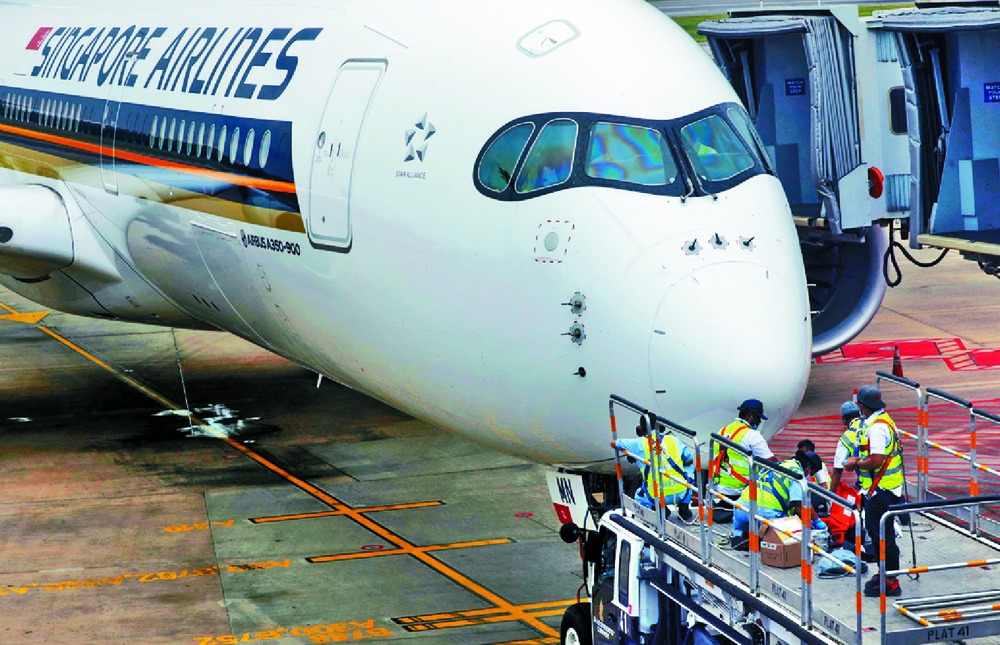
Singapore Airlines and its budget arm Scoot will use 1,000 tonnes of SAF from refiner Neste.
Singapore, another aviation hub without its own crude oil, announced the introduction of the first dedicated SAF Levy starting from October this year. The move was part of the country’s effort to support its 1 percent SAF uplift target in 2027, with the goal of raising it to 3 to 5 percent by 2030.
Under the regulations, the levy will apply to flight tickets sold from October for flights departing Singapore next January, adding charges from around US$0.79 (HK$6.16) to US$32.8 per ticket depending on travel destination and travel class.
Meanwhile, the levy for cargo shipments is deferred by one year given industry feedback, being applied to services sold in October 2027 for flights departing Singapore from January 2028.
Calculated based on the mandated volume and the projected price premium of SAF over conventional jet fuel, the revenue would finance the procurement of the lower-carbon aviation fuel.
With an expanded plant in Tuas South, Singapore is now home to the world's largest SAF production facility, operated by Finnish energy giant Neste. The refinery can now produce up to a million tonnes of SAF annually – 10 times the global leader's previous capacity including other major plants in Rotterdam and Finland.
An agreement with Neste has enabled a direct SAF supply chain to Changi Airport, with 1,000 tonnes of SAF purchased to blend with conventional fuel used by Singapore Airlines and its budget arm Scoot.
Together, Singapore is gaining momentum to support the building of a scalable and integrated sustainable aviation ecosystem.