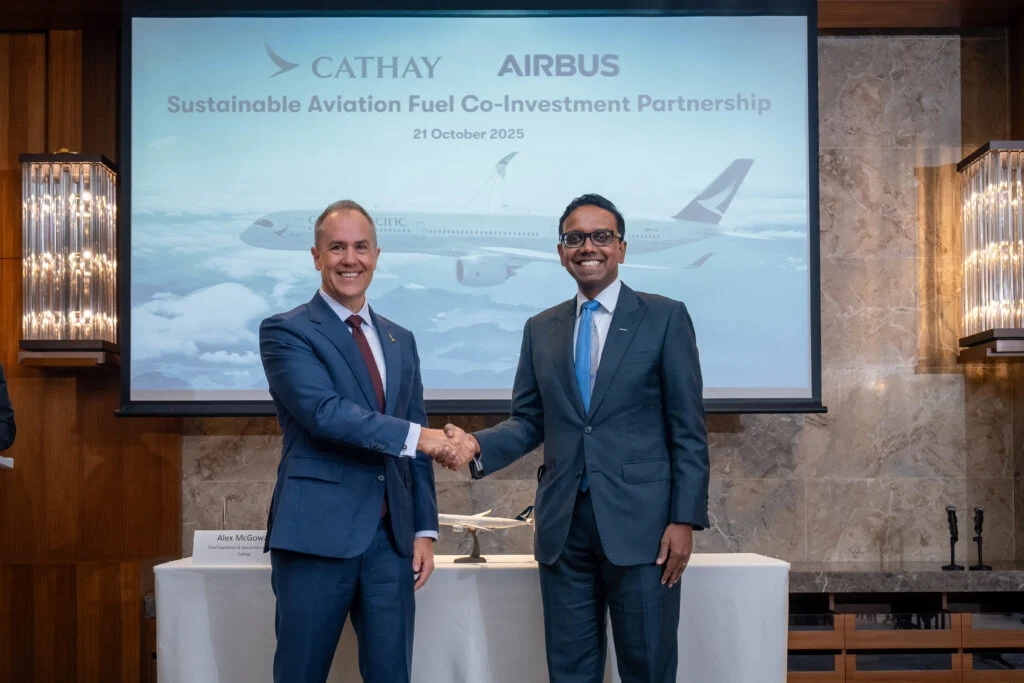
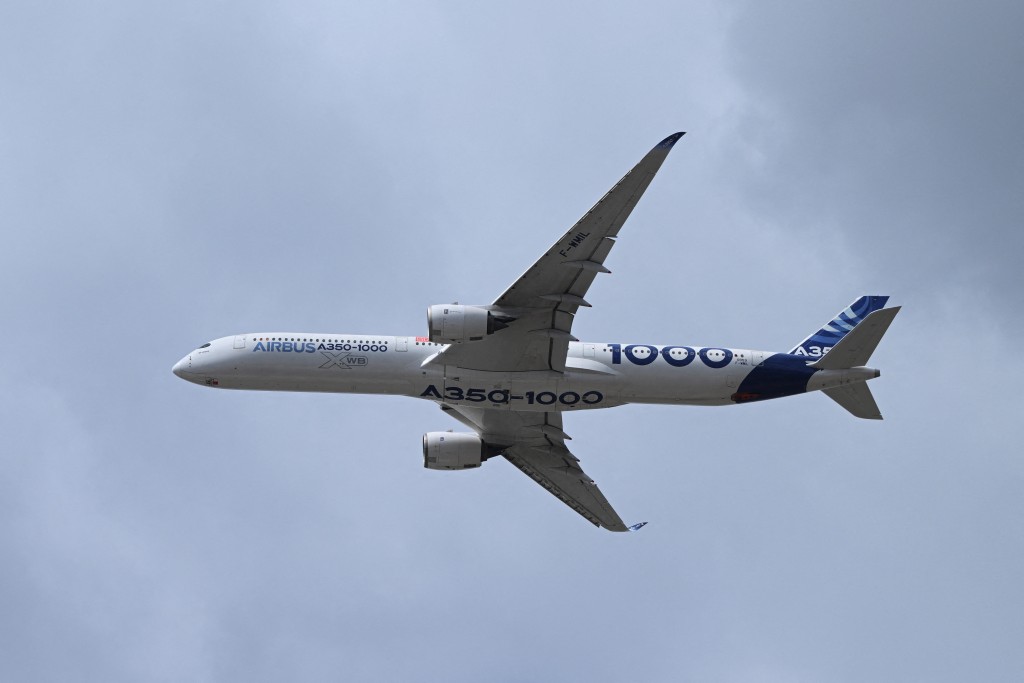
The Cathay Group and Airbus have announced a co-investment partnership of up to US$70 million (about HK$546 million) for scaling sustainable aviation fuel (SAF) adoption in Asia and globally.
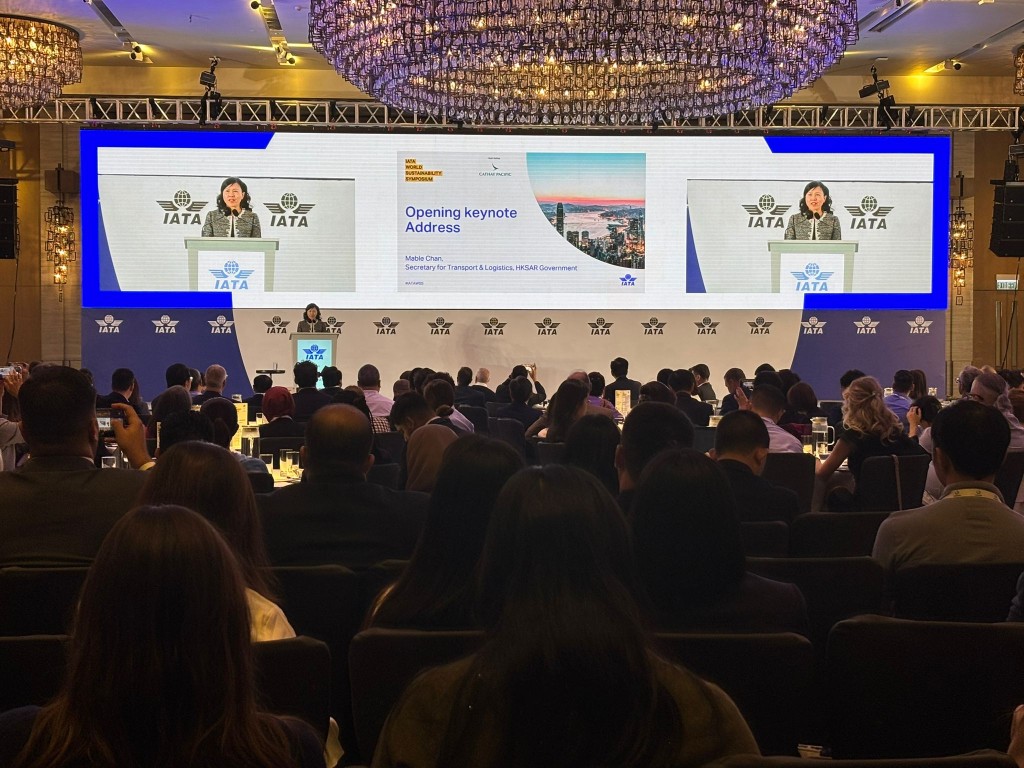
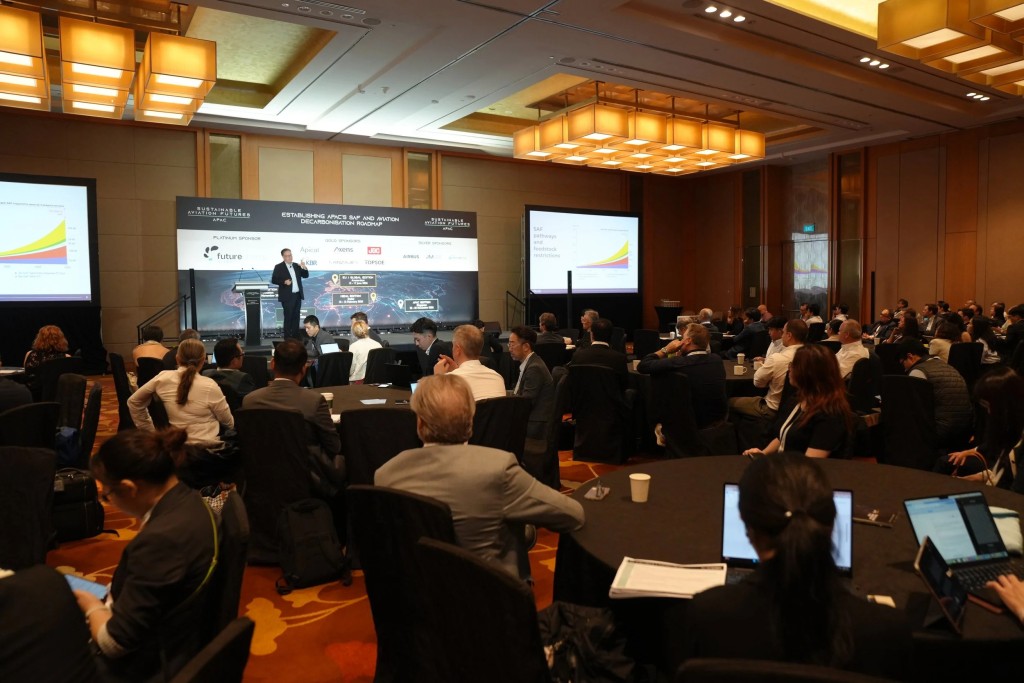
The agreement was announced during the 2-day World Sustainability Symposium, organized by the International Air Transport Association (IATA), in Hong Kong on Tuesday (Oct 21).
The two companies will collaborate to identify, evaluate and invest in projects that support scaling of SAF production towards 2030 and beyond.
Projects will be assessed based on the commercial viability, technological maturity, and potential for long-term offtake, according to Cathay's statement.
The partnership also includes collaboration to advocate for supportive SAF policies on both the supply and demand sides across Asia. As Asia has a strong potential in feedstock supply, production capacity, and its vibrant aviation market, the two parties aim to leverage their global experience to help shape policies that make SAF more accessible and affordable in the region.
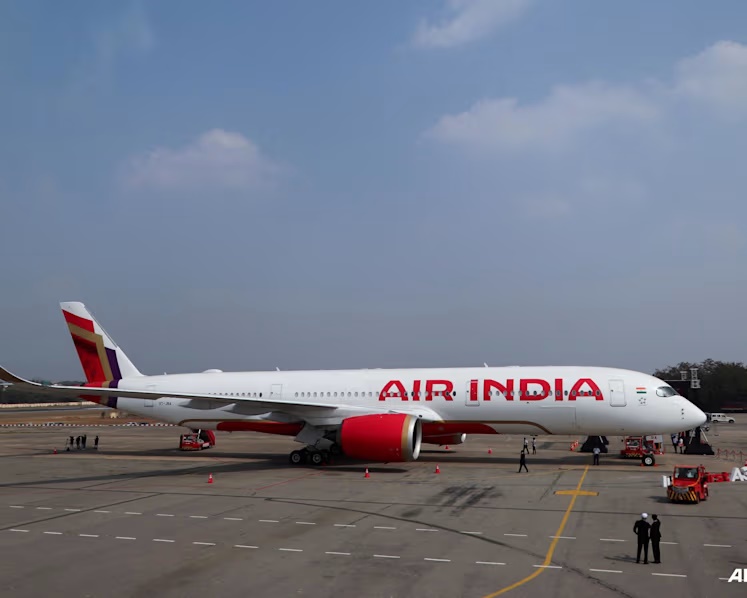
In addition to its focus on SAF, the group is implementing various strategies to achieve sustainability, including renewing and expanding its fleet with more fuel-efficient aircraft.
Separately, Secretary for Transport and Logistics Mable Chan said Hong Kong is committed to taking "decisive steps" to develop the SAF industry and promote its use at Hong Kong International Airport (HKIA).
Speaking at the Symposium, Chan noted that the event has attracted over 500 participants from around the world, underscoring a shared commitment to achieving a sustainable future for aviation.
Chan said that the government has laid out comprehensive plans to boost SAF development, including initiatives to strengthen supply chains and collaborate with mainland authorities and local enterprises.
With Hong Kong's proximity to mainland China, which boasts significant feedstock availability, the city is well-positioned to lead in SAF production, she added.
Chan also revealed that the government has set a target of achieving a SAF consumption rate of one to two percent for flights departing from HKIA by 2030.
In the latest policy address, Chief Executive John Lee Ka-chiu proposed building a SAF blending facility as part of the city's strategy to achieve carbon neutrality by 2050, aiming to produce more affordable blended SAF jet fuel.