
Read More
In the wake of a recent fatal incident in Ta Kwu Ling involving a canine later confirmed to have fighting dog ancestry, an undercover investigation has revealed that breeding operations in Shenzhen are openly offering banned fighting dogs alongside end-to-end smuggling services into Hong Kong.
ADVERTISEMENT
SCROLL TO CONTINUE WITH CONTENT
Although local legislation strictly forbids both the importation and breeding of fighting dogs, advertisements for these restricted breeds remain readily accessible across mainstream social media platforms.
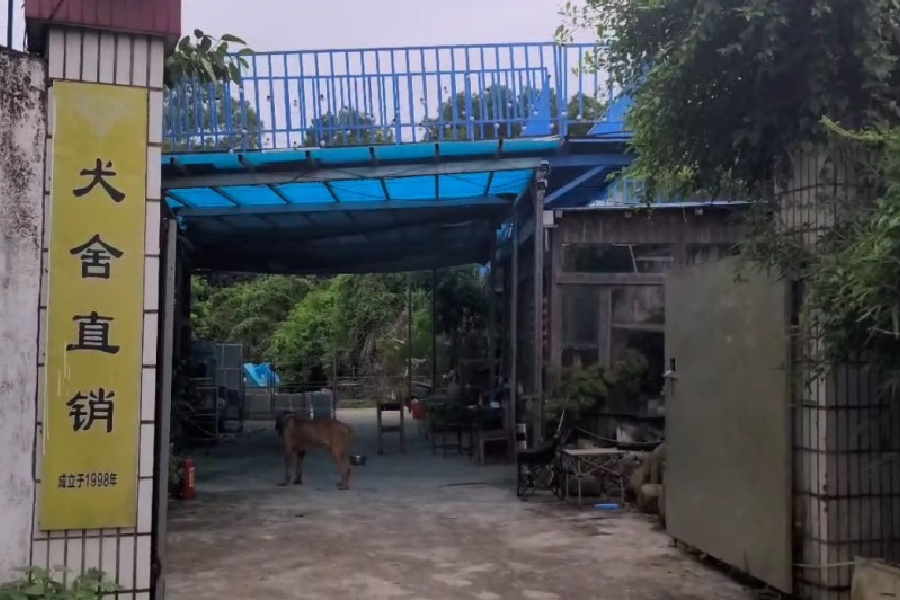
Acting on these online listings, an undercover reporter from Sing Tao Probe, the sister publication of The Standard posed as a prospective buyer contacted a kennel in Shenzhen.
The seller recommended a one-year-old American Pit Bull Terrier priced at 13,000 yuan, requiring an advance deposit of 500 yuan simply to view the dog because it had to be transferred from Guangzhou.
Known for exceptional bite force, speed, and aggressive temperaments, the breed is classified among the most dangerous fighting canines.
Covert hillside kennel offers dangerous breeds and delivery guarantees
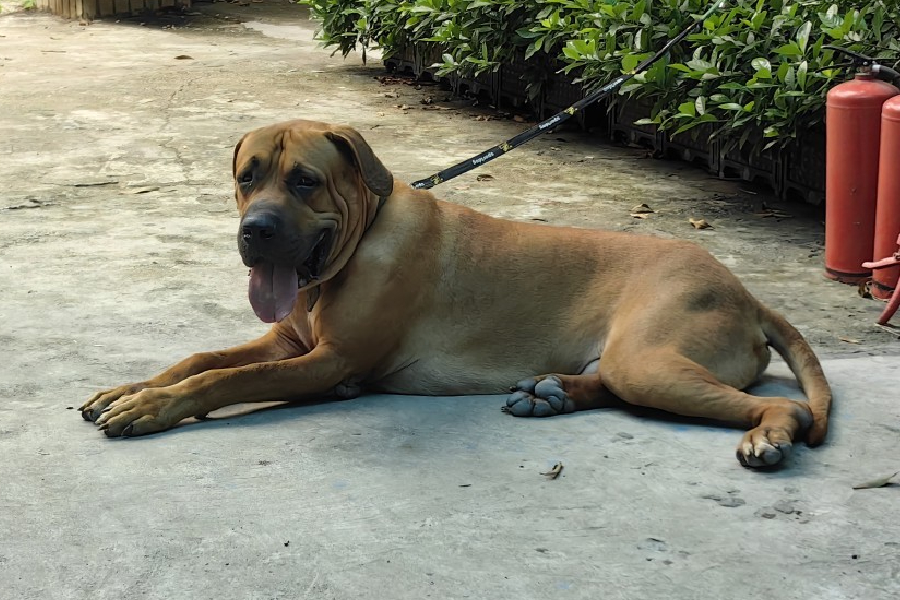

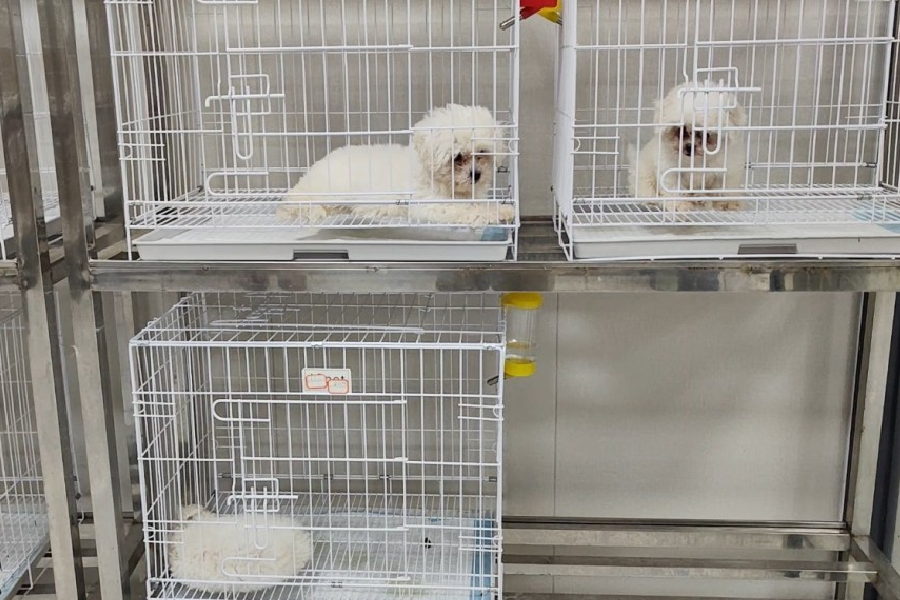
The reporter traveled to a secluded kennel located in the hills of the Baiwang community in Nanshan District. The facility operator introduced the Pit Bull, assuring the undercover buyer that the animal would gradually adjust to Cantonese commands, serve as an effective guard dog, and only show aggression if provoked by other animals.
Despite acknowledging that the dog was unvaccinated, the handler insisted it was in good health, pulling open its mouth to display its sharp teeth and walking it around the compound to demonstrate its mobility.
Getting the animal across the border required an additional smuggling fee, which the operator estimated at approximately 8,000 yuan based on the dog’s size and weight.
While declining to disclose the exact smuggling route, the seller assured the buyer that both the purchase price and transportation fee would be fully reimbursed if customs officers intercepted the shipment.
Beyond fighting breeds, the facility also offered popular family pets such as Golden Retrievers and Labradors, with the operator noting that many Hong Kong buyers regularly source puppies from the kennel.
Brutal alterations and cross-border coaches used for transport
A visit to a second kennel in Nanshan revealed a four-month-old Doberman Pinscher listed for 9,000 yuan. Dobermans, traditionally bred for military and security duties, possess notable aggression and frequently undergo cosmetic ear cropping to make their ears stand erect.
The reporter witnessed the painful procedure being performed on-site, with the kennel operator explaining that all their Dobermans undergo cropping prior to sale to spare buyers the effort.
Regarding transportation logistics, the proprietor acknowledged using cross-border passenger coaches to smuggle animals directly into Hong Kong through arrangements with local coach stations.
The service cost around 1,200 yuan for doorstep delivery, an increase from a previous rate of 800 yuan that only brought the animal to the border crossing.
Unlike the first seller, this operator stated that in the event of customs interception, only the shipping fee would be refunded, while the purchase cost of the dog would be forfeited.
Smuggling cases double as authorities highlight heavy penalties
Official figures from the Hong Kong Customs and Excise Department indicate a dramatic surge in cross-border animal trafficking.
Authorities detected 28 cases of illegal animal importation and exportation in 2025, whereas the first eight months of this year alone have already seen 55 cases recorded.
The Agriculture, Fisheries and Conservation Department emphasized that under the Dangerous Dogs Regulation, importing or breeding fighting dogs in Hong Kong constitutes a criminal offense punishable by a maximum fine of HK$50,000 and up to six months of imprisonment.
The law permits only previously neutered fighting dogs with valid sterilization certificates to be kept under strict licensing conditions, with just 35 licensed fighting dogs registered in the city as of early September.