





Read More



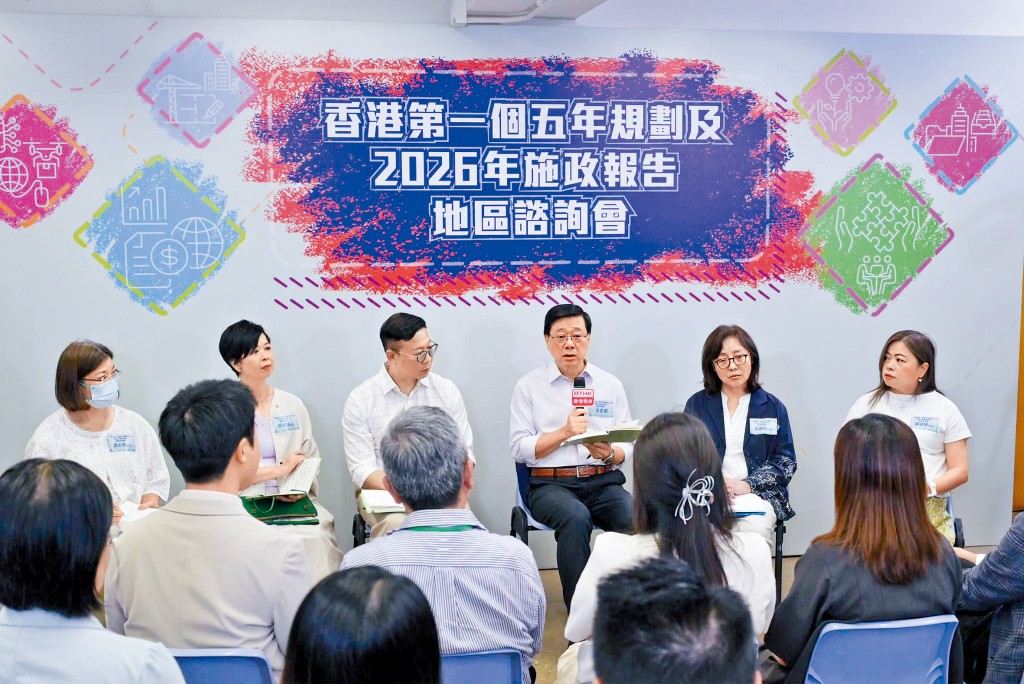



Morning Recap - September 14, 2026
8 hours ago






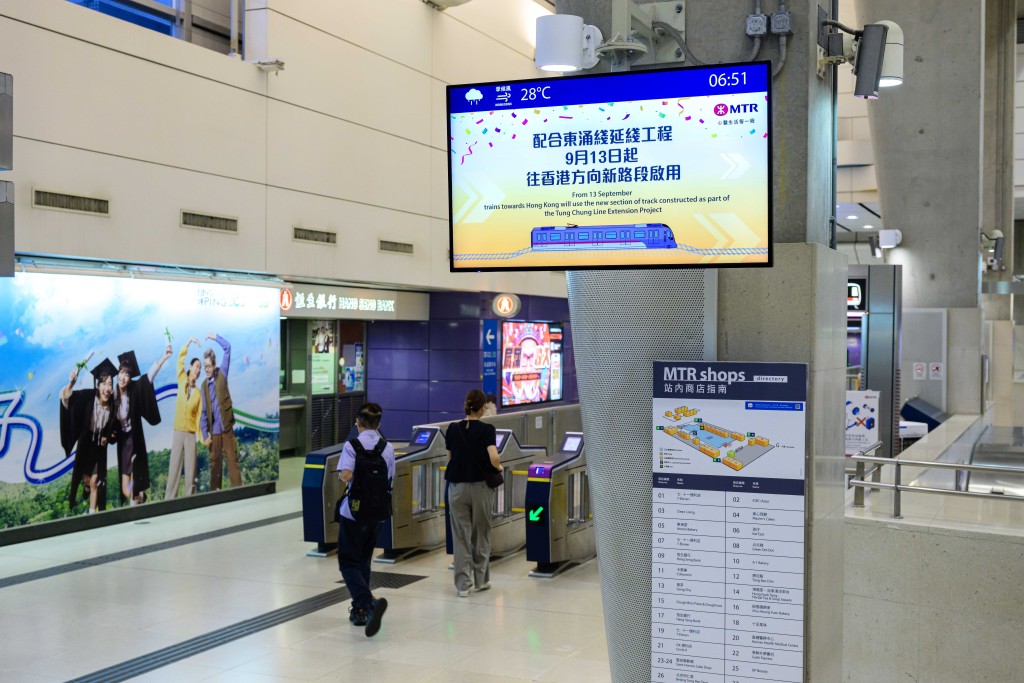
MTR opens new Tung Chung Line Extension track section with smooth service
13-09-2026 12:59 HKT



Bruce Rockowitz is right to see artificial intelligence not as a buzzword, but as a practical business tool for Hong Kong’s catering sector.
Too much of the conversation around AI still falls into extremes. Some describe it as an instant transformation that will change every business overnight. Others frame it mainly as a threat to jobs, trust and human judgment. Neither view is especially useful for companies trying to run a catering business in Hong Kong’s increasingly competitive food delivery market. What matters is not whether AI sounds impressive. What matters is whether it helps operators solve real problems.
That is the commercial context now facing the industry. Hong Kong’s online food delivery market has moved well beyond its pandemic-driven origins. It has become one of th,e city’s most fiercely contested consumer sectors, with operators dealing with rising labour costs, tighter margins and customers who expect faster service, better value and more personalized experiences. In those conditions, technology has value only if it improves execution.
For catering companies built around online ordering and delivery, every order creates data. Businesses can see what customers buy, when they order, how often they return, how long deliveries take and which menu items perform best. The issue is no longer access to information. The issue is whether operators can turn that information into better decisions.
AI makes that possible at a more useful scale. It can identify patterns that are difficult to spot through manual analysis and convert them into practical recommendations. In a sector where mistakes in planning, staffing and procurement can erode already-thin margins, that kind of support is becoming more valuable.
Forecasting is one of the clearest use cases. By analyzing historical sales, weather conditions, holidays and local events, AI can predict ordering patterns more accurately than traditional planning methods. That can help businesses reduce food waste, optimize inventory and deploy staff more efficiently.
This matters because poor forecasting has direct financial consequences. Overestimate demand and stock goes to waste. Underestimate it and revenue is lost, service slows and customers become frustrated. Operators that can reduce that uncertainty are not simply improving operations. They are protecting profitability.
Menu management is another area where AI becomes commercially relevant. Many businesses still rely heavily on experience and instinct to decide what to promote, reprice or remove. Those instincts remain useful, but AI can sharpen them.
Operators can identify which items drive repeat purchases, which generate stronger margins and which appeal to different customer groups. They can then use that information to adjust pricing, create promotional bundles and offer more relevant suggestions. This can increase average order value while also making the customer experience feel more tailored.
That point should not be underestimated. In digital food ordering, loyalty is fragile. Customers have many alternatives and switching costs are low. Businesses that understand customer preferences more clearly are better placed to encourage repeat orders.
AI is also changing customer engagement. Recommendation engines can learn from dining habits and dietary preferences, making it easier to present options that are more relevant to each individual customer. That may improve both conversion and satisfaction.
At the same time, AI-powered chatbots can manage routine enquiries, process order changes and provide support around the clock. This does not eliminate the role of people. It allows employees to spend less time on repetitive tasks and more time on issues that require judgment and service quality.
In theory, most businesses already say they are customer-focused. In practice, many still struggle to deliver consistent and responsive service at scale. AI offers a way to close that gap.
Delivery logistics presents another obvious application. AI can optimize routes based on real-time traffic conditions and courier availability, reducing delivery times and transportation costs. Predictive models can also anticipate peak periods and help deploy riders more effectively during busy hours.
This is not a minor operational improvement. In online food delivery, speed and reliability are central to the customer experience. Delays are remembered. Poor delivery performance affects brand perception just as much as the food itself. Operators who improve logistics improve more than efficiency. They improve trust.
Generative AI is beginning to have an impact beyond kitchen operations and delivery planning. Marketing teams can use it to produce social media content, promotional campaigns and multilingual advertising faster and at lower cost. For smaller catering businesses, this can narrow the gap with larger competitors that have more resources.
It also allows businesses to test campaigns more quickly and refine messaging using real-time customer responses. In a market where attention shifts quickly, the ability to adapt without excessive cost is useful.
The strongest argument for AI is not any single application. It is that AI can help businesses manage with more discipline. If operational, financial and customer data are integrated into a single view, management can monitor profitability more closely, identify bottlenecks earlier and react more quickly to changes in demand.
That is why Rockowitz’s argument is persuasive. He has long emphasized that technology works best when it strengthens human expertise rather than attempting to replace it. AI fits that view. It supports judgment. It does not eliminate the need for it.
For Hong Kong’s catering business, the message is becoming clearer. Digital ordering may already be standard, but AI is emerging as the next important differentiator. Companies that use it to improve forecasting, menu strategy, logistics, marketing and customer engagement may gain a meaningful edge through lower costs, faster decision-making and better customer satisfaction.
As Hong Kong continues to build its position as an innovation-driven economy, AI is becoming less an optional upgrade than a core operating capability. Businesses that adopt it with discipline are likely to be better prepared for the next phase of competition and growth.