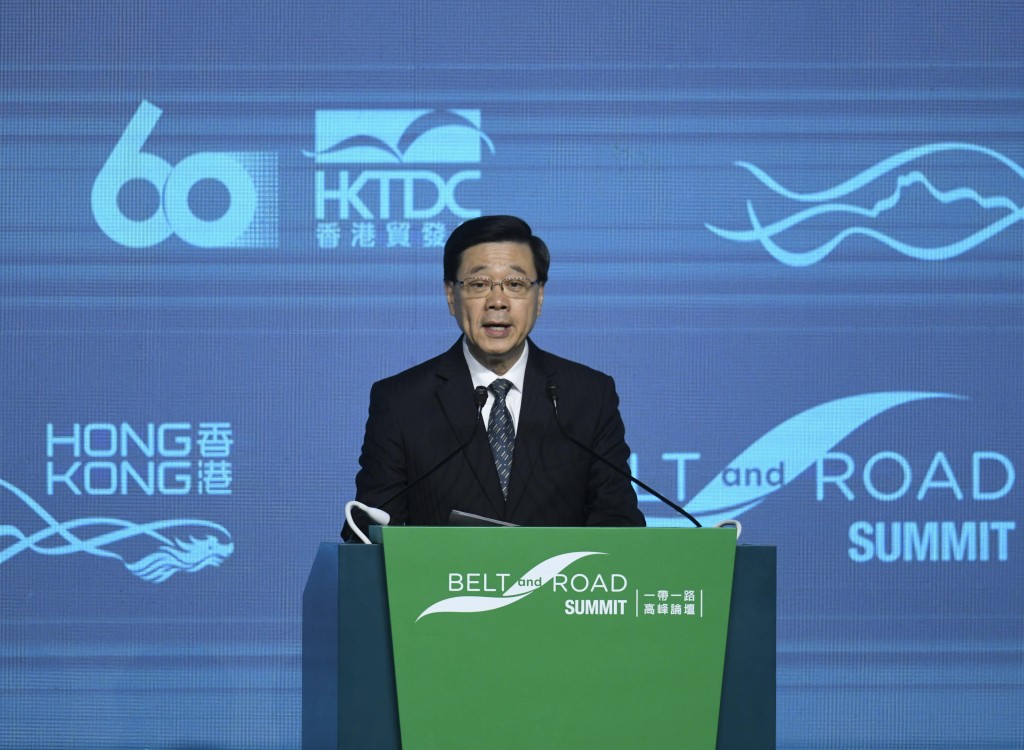
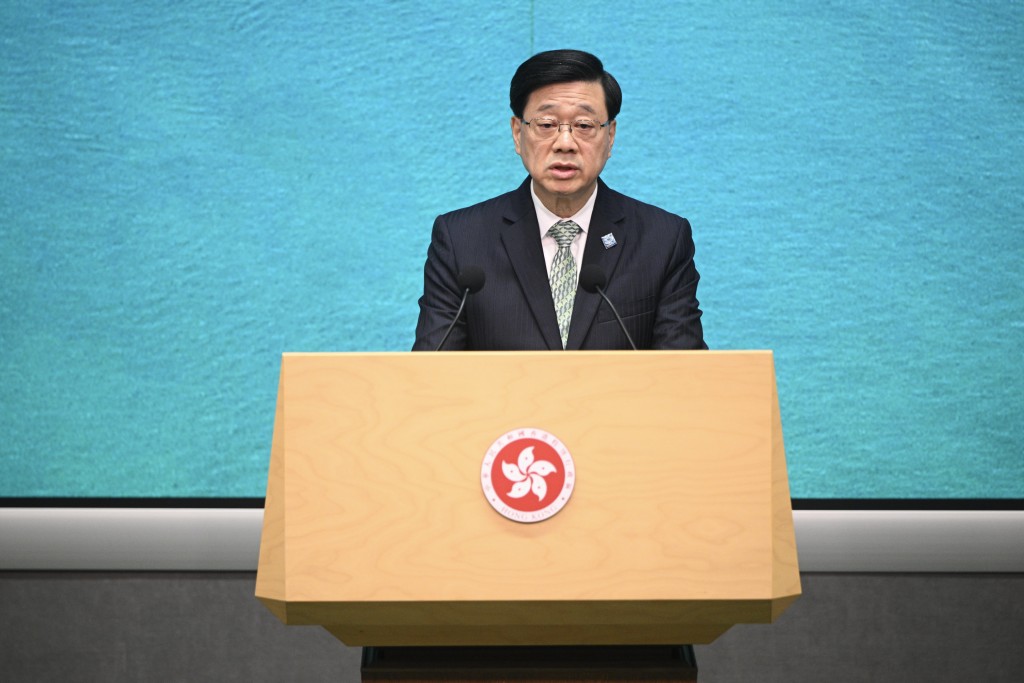
Hailing connectivity as an anchor amid global uncertainty, Chief Executive John Lee Ka-chiu noted that a growing number of Belt and Road enterprises are currently preparing for listings in the city.
His remarks came at the opening of the 11th Belt and Road Summit on Wednesday, which gathered more than 6,000 government leaders and high-profile professionals from more than 70 countries.
Delivering his speech, Lee underscored Hong Kong’s unique advantages under the One Country, Two Systems framework, which combines strong national backing with extensive international reach.
While the city is widely recognized as a hub for finance, trade, logistics, legal services, and dispute resolution, he said efforts are underway to build an international education and technology hub.
Amid unprecedented global change and geopolitical fragmentation, he stressed the importance of connectivity and cooperation that the summit embodies.
Describing the cross-cultural collaboration as "rooted in history," Lee said the Belt and Road Initiative is not a map of the past but a blueprint for the future, with Hong Kong as the convergence point for capital, talent, business, and opportunity at the crossroads of East and West.
He reported that Hong Kong has signed three trade agreements with 14 Belt and Road countries, investment pacts with 20 economies, and comprehensive avoidance of double taxation agreements with 43 Belt and Road tax jurisdictions.
Together with InvestHK and the Trade Development Council, Hong Kong’s global network of economic and trade offices now covers 129 countries, including 99 Belt and Road nations.
Notably, the city’s merchandise trade with Belt and Road partners saw a 17 percent jump to about US$323 billion last year. The number of offices from Belt and Road companies in Hong Kong also rose 17 percent from 2022 to nearly 1,500, with more than 100 such firms already listed and a growing pipeline queuing for IPOs.
Citing 96 cooperation agreements worth US$1.65 billion from his Central Asia mission, Lee touted the value of the hub-to-hub model, where Hong Kong connects Belt and Road economies to the mainland and global markets through an interconnected network.
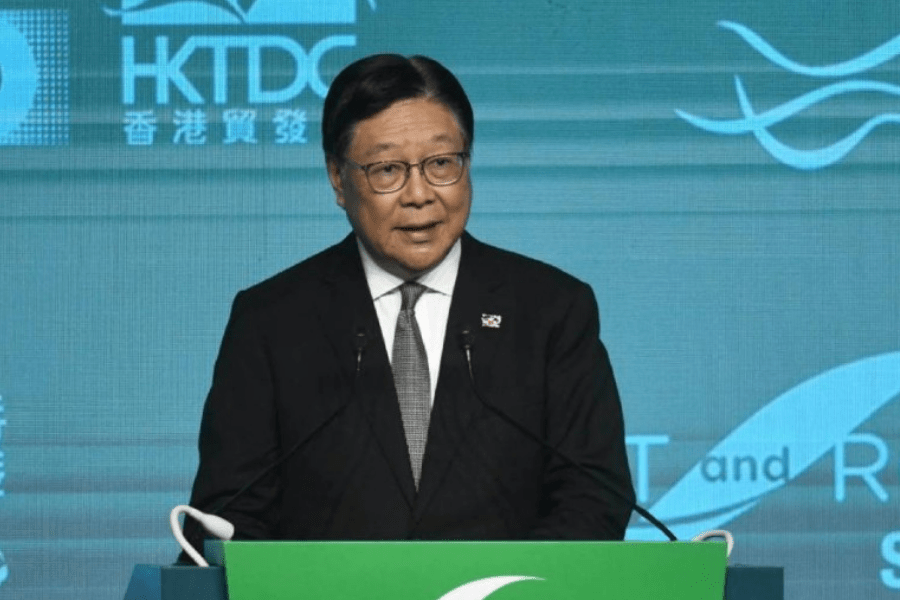
Speaking at the Summit, Hong Kong Trade Development Council chairman Frederick Ma Si-hang said diversification has shifted from an option to a necessity over the past decade since the forum's founding.
The Belt and Road Initiative, he added, is about building new links and converting potential into tangible global benefits, identifying ASEAN, Central Asia, the Middle East, Africa, and Latin America as key areas for opportunity.
Themed “Advancing high-quality development, embarking on a new journey,” this year's summit offers new activities alongside panel discussions, project matching and business development.
Organizers have introduced Central Asia and Middle East zones and a GoGlobal Chapter with breakout sessions to help mainland firms tap Hong Kong's professional services for overseas expansion.