Read More














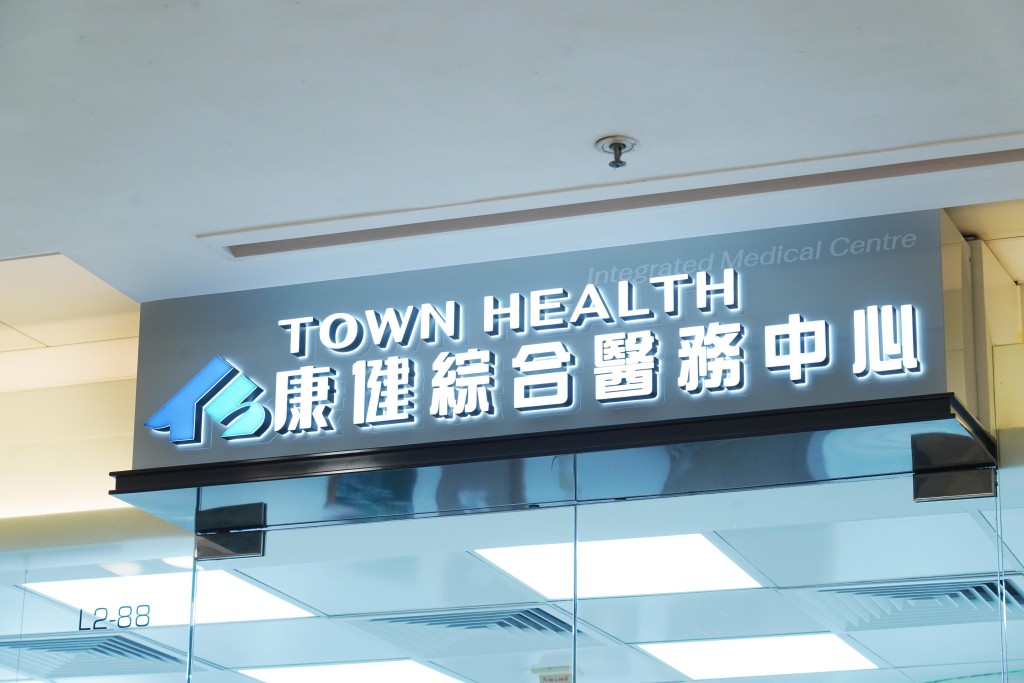
Town Health Integrated Medical Centre in Tseung Kwan O launched an AI-assisted preventive medicine pilot program using AI-assisted fundus examinations and virtual reality (VR) eye-tracking technology to assess risks for retinal diseases, hypertension, diabetes, and dementia.
The healthcare group stated that nearly 100 residents have already used the service since its introduction. Both assessments are free and open to the general public, including individuals who are not existing patients of the clinic.
The initiative is intended to serve local residents and strengthen primary healthcare services in the community.
Participants simply need to have a retinal image taken using a fundus camera in the clinic. The AI system then analyzes the image to assess the risk of conditions such as retinopathy, glaucoma, hypertension, diabetes, and cardiovascular or cerebrovascular diseases within one minute.
The clinic has also introduced an AI-assisted VR headset, which immerses participants in an interactive cognitive game lasting about five minutes. During the test, participants select answers by focusing their gaze on corresponding options.
The AI system analyzes metrics such as eye-movement trajectories, reaction times, and fixation duration to evaluate cognitive functions—including abstract thinking and memory retention—to assess the risk of cognitive impairment and dementia.
Both screening systems have received certification from the U.S. Food and Drug Administration (FDA). On-site nurses guide participants through the process and explain the findings, with the entire workflow—from testing to receiving a report—taking less than 10 minutes.
Thomas Chan Chun-hong, Chief Operating Officer of Town Health, said the company had not set a specific target number of participants for this pilot service. However, within the first one to two weeks after the system’s introduction, nearly 100 people had already used the service, indicating a positive response.
Chan described the pilot as an important “first step” for the company as it explores further AI-driven medical services, such as applying AI to preliminary electronic health record analyses to assist doctors in identifying early warning signs.
Chan emphasized that AI technology serves only as an aid, and professional medical judgment remains essential for any final assessment.
He added that the screening service is intended as a preliminary evaluation. If the system indicates a potential risk, participants will be referred to a family doctor at the clinic for further assessment.