






Read More

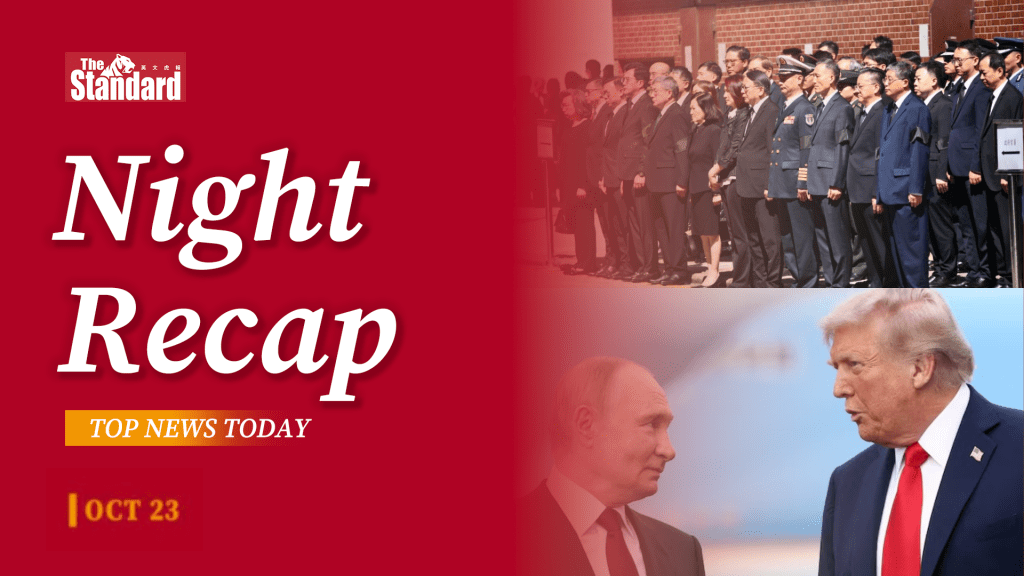
Night Recap - October 23, 2026
4 hours ago





Late police constable Chu Chun-kwok to receive full honors funeral on Fri
22-10-2026 15:33 HKT

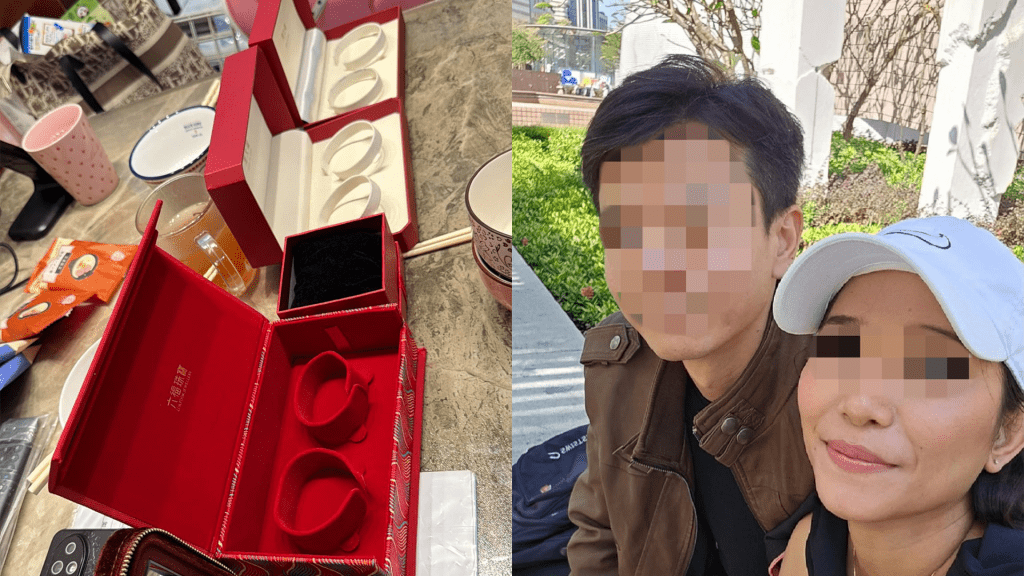
Domestic helper suspected after $420,000 worth of gold jewelry goes missing
22-10-2026 18:55 HKT


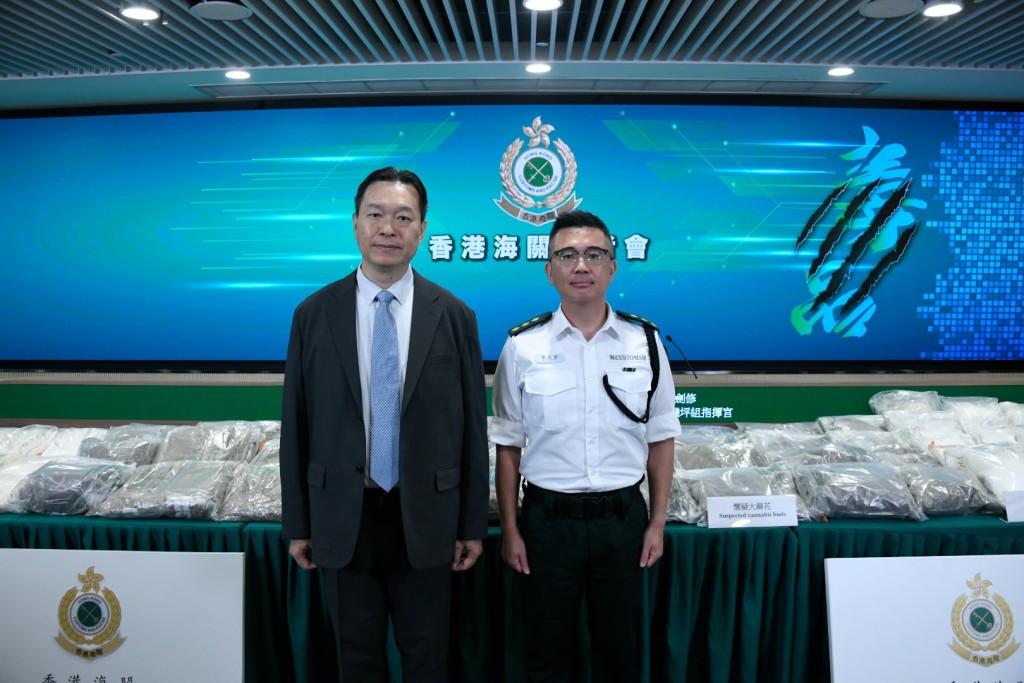
Hong Kong Customs has seized about 6.1 tonnes of drugs with an estimated market value of HK$1.4 billion and arrested 150 suspects during a four-month joint anti-narcotics operation with mainland Chinese and overseas law enforcement agencies.
The operation, which ran from May to August, detected 424 drug-trafficking cases, including 118 passenger-channel cases and 306 cargo-channel cases.
The largest single case involved narcotics worth HK$500 million. Hong Kong Customs shared intelligence with foreign counterparts, helping intercept 2.4 tonnes of suspected cannabis in cargo and dismantle a major transnational drug syndicate.
Overall, authorities confiscated 3.6 metric tons of cannabis, 2.2 metric tons of ketamine, 199 kilograms of cocaine, 60 kilograms of heroin, and 48 kilograms of methamphetamine.
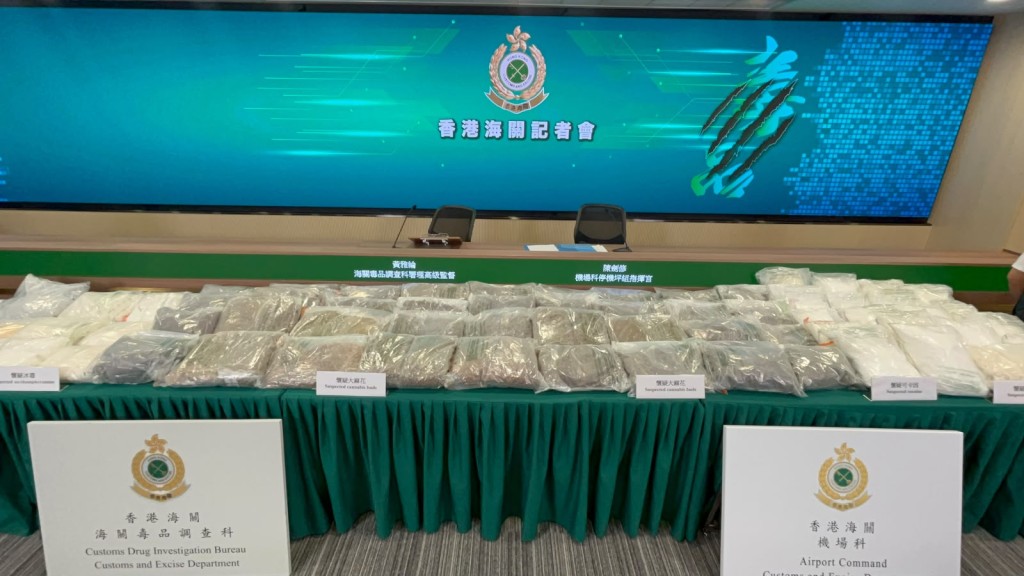
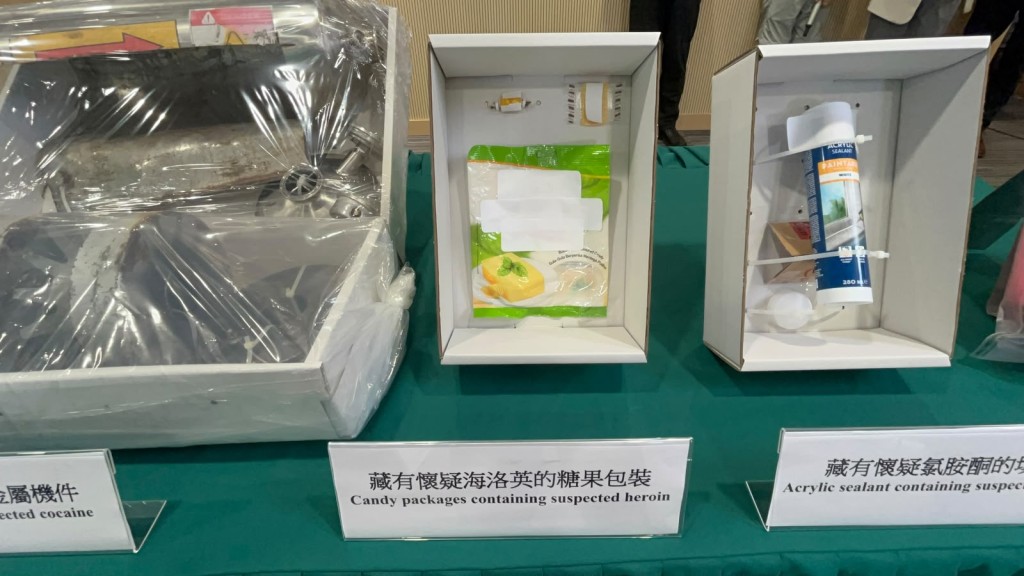
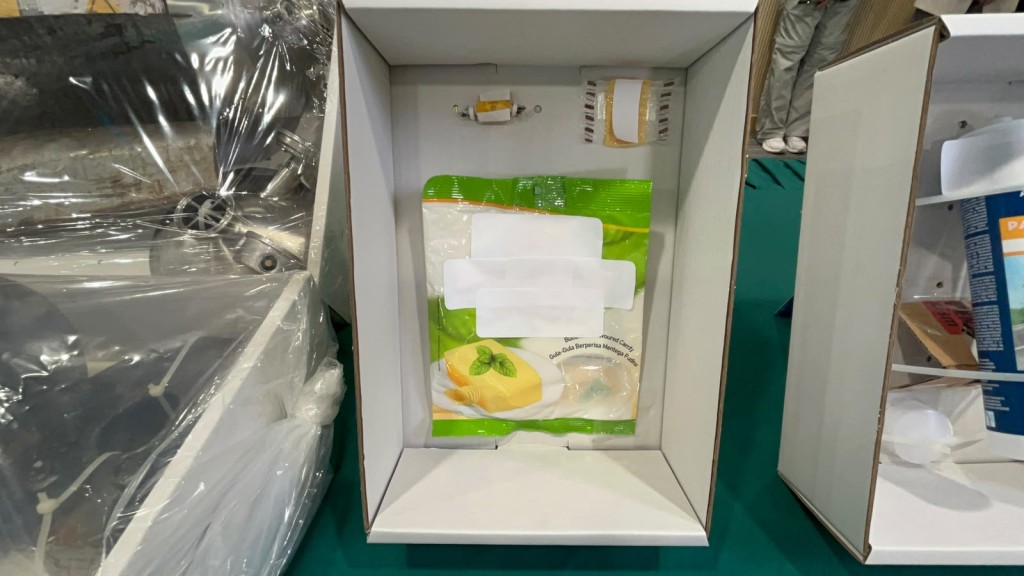
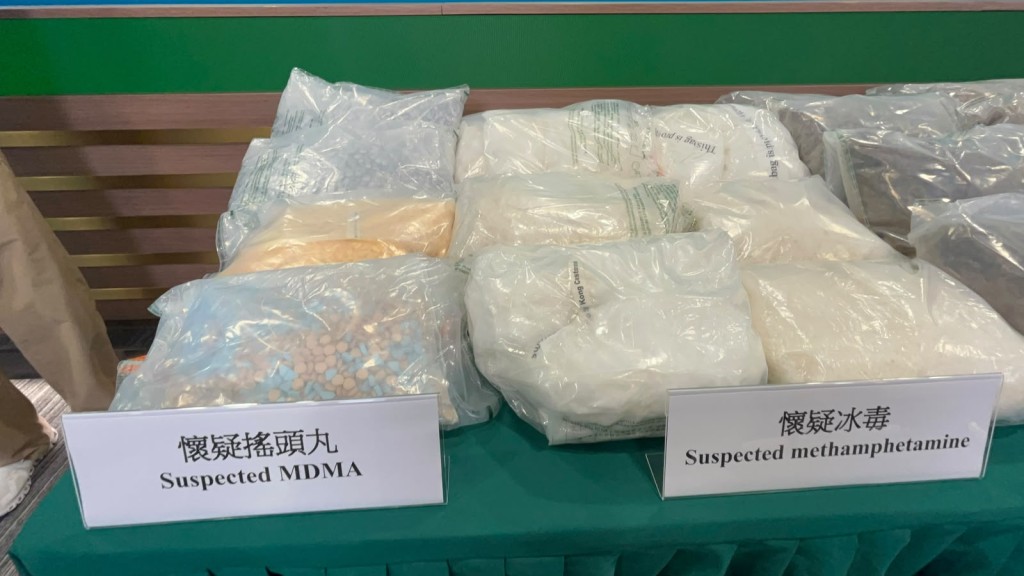
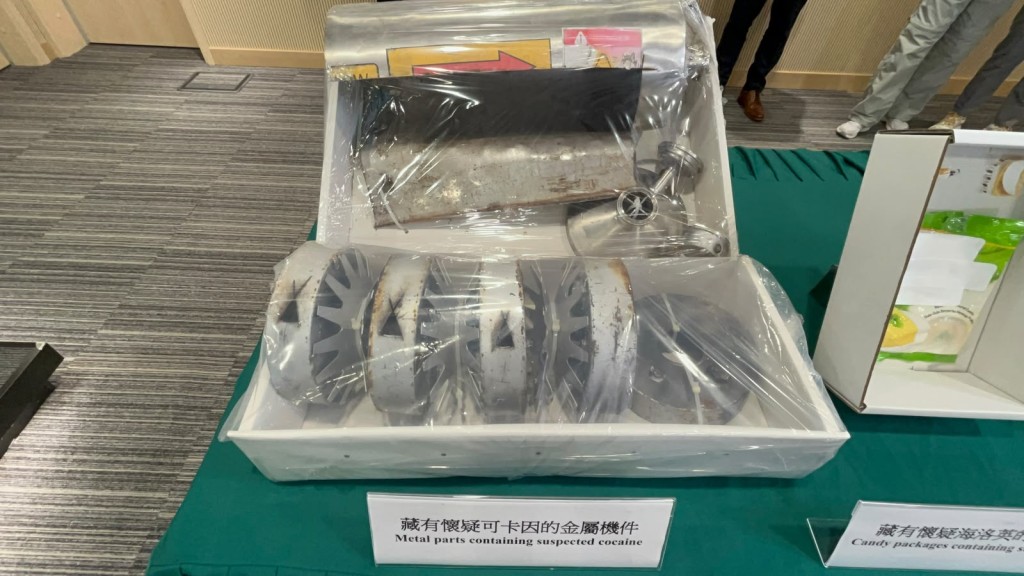
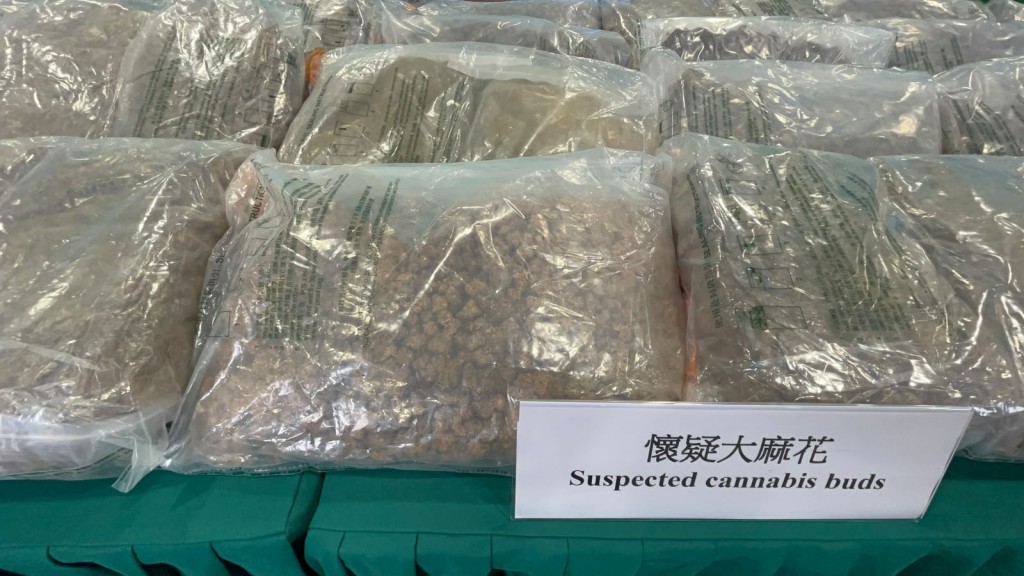
Customs officials highlighted an array of sophisticated concealment tactics used by smugglers.
In passenger arrivals, a 23-year-old traveler arriving from Brazil via Turkey hid 3.4 kilograms of cocaine inside two crude plaster statues, while an arriving passenger from Malaysia concealed two kilograms of ketamine beneath wooden false bottoms in luggage.
In air cargo shipments, inspectors uncovered 100 kilograms of ketamine disguised as solid paint in metal tins originating from the Netherlands, as well as 131 kilograms of ketamine molded into the shape of sugar cubes inside plastic tubs shipped from Germany.
The 150 suspects arrested, aged between 18 and 68, included a high proportion of young people. Those aged 18 to 40 made up around 70 percent of the total.
Customs warned that drug syndicates are actively targeting youth and students to carry out cross-border smuggling, particularly during the summer travel peak.
Drug-related offenses, total seizures, and arrests at Hong Kong International Airport all increased year-on-year.
Customs attributed the rise partly to global geopolitical tensions, noting that conflicts in the Middle East led more Asia-Europe flights to route through regional transit hubs, coupled with a summer surge in passenger travel.