Read More







Morning Recap - September 8, 2026
10 hours ago

Woman finds live baby rat in takeaway satay beef noodles in Kwai Chung
07-09-2026 17:23 HKT


In August 2026, Hong Kong endured unprecedented, historic heatwaves. On 9 August, the Observatory Headquarters recorded an extreme temperature of 36.9°C, marking the highest temperature recorded at the station in its history.
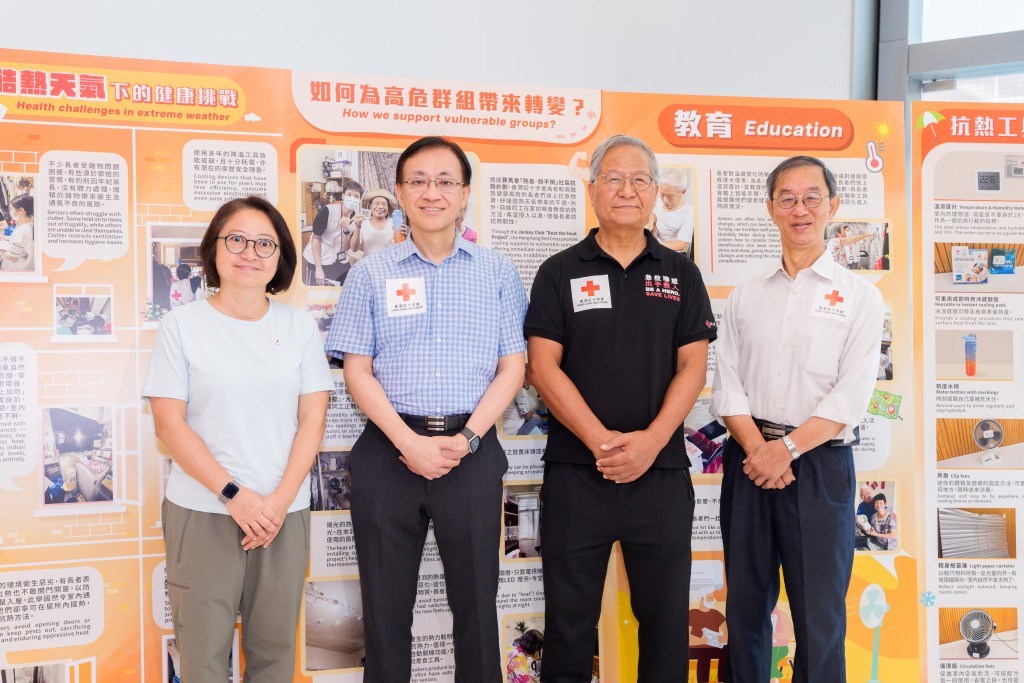
While retreating into air-conditioned spaces or enjoying a cold beverage may offer temporary relief for many, the elderly, subdivided flat residents, and outdoor workers bear the brunt of such extreme conditions. Long dedicated to addressing extreme heat challenges, the Hong Kong Red Cross (HKRC) launched the "Heat Action Day". The organisation joined hands with three former Director and former Assistant Director of the Hong Kong Observatory: Mr Lam Chiu Ying, SBS, Professor Shun Chi Ming, SBS, and Mr Leung Wing Mo, to conduct home visits in grassroots neighbourhoods. Together, they assessed first-hand the daily hardships faced by the elderly and vulnerable groups under high temperatures, while highlighting the importance of collaboration among the business sector, social welfare organisations, and community partners to join the heat-relief network to jointly combat extreme heat.
"Why is extreme heat a humanitarian disaster?" asked Mr Lam Chiu Ying, during the visit. He pointed out that extreme heat poses an acute threat to the health of the elderly. Due to age-related physiological changes, slower behavioural responses, and diminished temperature sensitivity, elderly individuals often find it difficult to cope effectively with high temperatures, making enhanced awareness of heat-related risks essential. He further analysed how extreme heat delivers a triple blow to vulnerable groups across "physical, psychological, and social" dimensions. Physically, intense heat increases physiological stress on vulnerable individuals, senior citizens, and chronic disease patients, easily triggering heatstroke or aggravating chronic illnesses. Psychologically, prolonged high temperatures frequently induce anxiety and irritability, escalating interpersonal friction and disputes, whilst sleep deprivation caused by oppressive night-time heat undermines daytime alertness and personal safety. Socially, sweltering temperatures discourage people from going outside, leading to a marked decline in social activities among the elderly and exacerbating isolation and helplessness.
Research indicates that when the average temperature exceeds 28.5°C, the mortality risk among the elderly rises alongside escalating temperatures, increasing by 5% at 30.8°C and by 10% at 31.8°C. To address this pressing challenge, the HKRC has rolled out the Jockey Club "Beat the Heat" Project in the Yau Tsim Mong District. The initiative proactively identifies elderly individuals at risk of heat-related health issues and provides personalised health education. Through regular home visits, the team distributes heat-relief supplies such as clip-on fans, circulating fans, cooling mats, and dehumidifiers, implementing simple home modifications to improve ventilation and heat dissipation. Concurrently, the team patiently guides seniors in using thermo-hygrometers and blood pressure monitors to foster self-monitoring habits, while integrating the "Cooling Spots Community Map" into activities to encourage seniors to leave stuffy flats and utilise local cooling resources during summer.
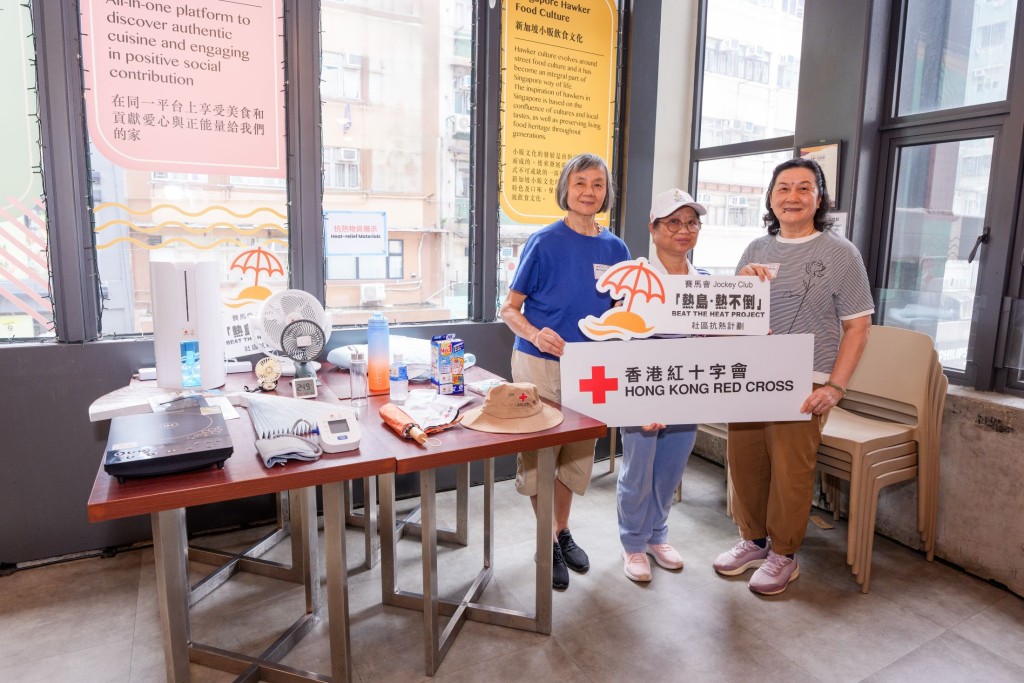
Beneficiaries living in older tenement buildings in Tai Kok Tsui, including Ms Yau, Ms Ho, and Ms Tam, shared that walking outdoors for groceries or activities under the blazing sun is excruciatingly hot. Practising thrift in daily life, these seniors typically turn on air conditioning for only a few hours a day or just before sleeping. Since joining the project, they have referred to the “Cooling Spots Community Map" to seek shelter in air-conditioned shopping centres, social enterprise restaurants, elderly centres, Tai Kok Tsui Market cooked food centres, and public libraries. They have also actively participated in HKRC towel exercise classes, health talks, and excursions, which have not only imparted heat-prevention skills but also broadened their social circles and eased indoor restlessness.
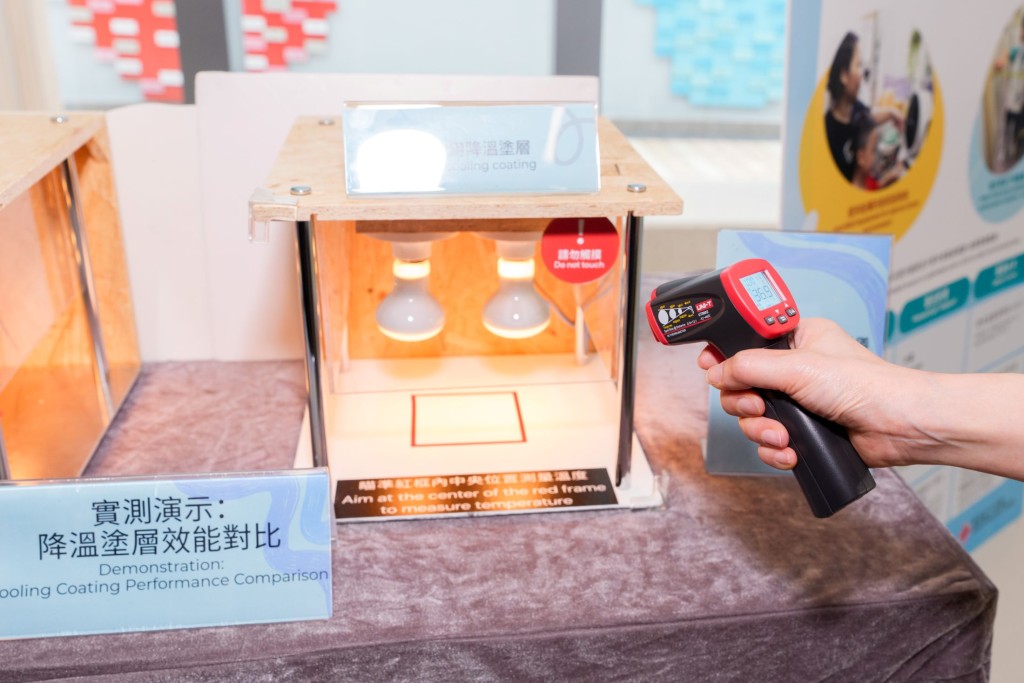
Professor Shun Chi Ming pointed out that perceived temperature depends not only on ambient air temperature but is also heavily influenced by relative humidity. When temperatures exceed 30°C coupled with high humidity of 80% to 90%, the perceived heat experienced by the human body intensifies significantly. He stressed that while extreme weather has become unavoidable, those residing in inadequate housing and the elderly suffer the most severe consequences. The cooling coating technology piloted by HKRC in collaboration with local universities has demonstrated remarkable results, using heat-reflective properties to lower sheet metal surface temperatures from over 70°C to around 30°C. Professor Shun highlighted the importance of using technology and scientific data to strengthen disaster preparedness and build a more climate-resilient community.
Extreme heat can have particularly serious impacts on people living in inadequate housing. Since 2022, HKRC has been carrying out initiatives to address extreme heat, supporting residents living in inadequate housing in urban areas and squatters in rural districts. The organisation has conducted long-term environmental monitoring in high-risk communities including Hung Shui Kiu, Tai O, and Pok Fu Lam Village. Between June and October last year, indoor environmental conditions were monitored in 29 squatter households in Hung Shui Kiu. The findings showed that 34% of the households experienced perceived temperatures reaching the “extreme alert” level for seven consecutive nights or more, highlighting the persistent heat stress faced by residents even during night-time hours.
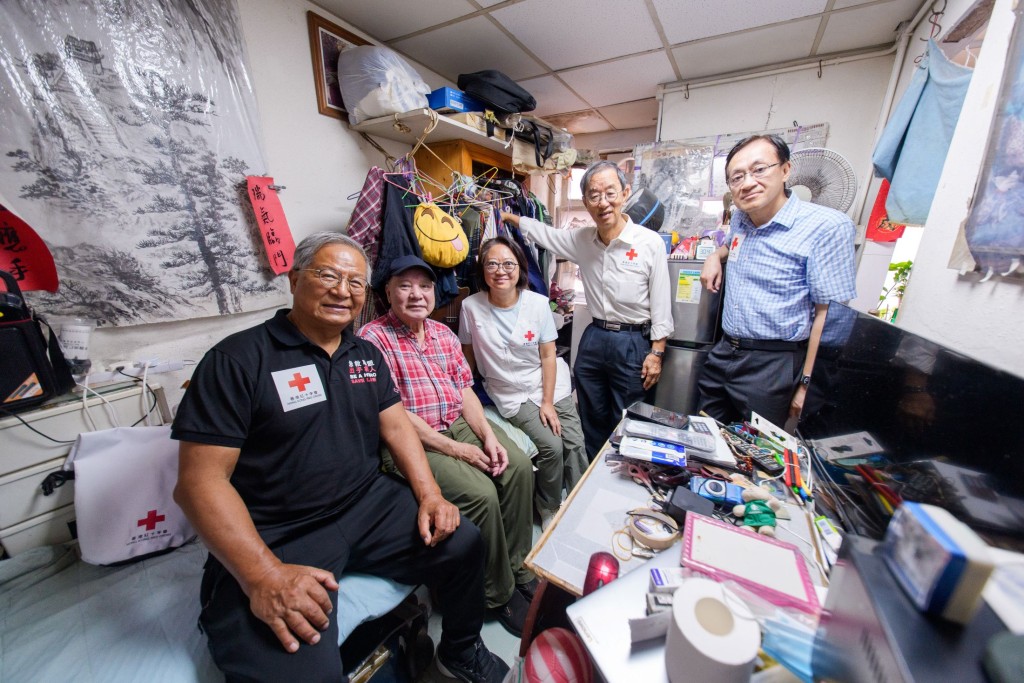
In response, HKRC has actively advanced three major initiatives. The organisation has engaged community partners to open up spaces and placed cooling items in local shops to provide air-conditioned rest points for residents. It has also developed an “All-in-One Disaster Preparedness Map”, which consolidates practical information and weather warnings from different platforms, helping the public stay informed of the latest risks and prepare for severe weather in advance. In addition, heat-reflective cooling coatings have been applied to suitable squatter homes and sheet-metal rooftops to reduce heat absorption and accumulation, thereby helping to improve indoor thermal conditions.
Leung Wing Mo emphasised that scientific data and humanitarian action must operate hand in hand. In the face of increasingly frequent and unpredictable climate uncertainties, society must move away from reactive responses and embrace a forward-looking mindset of "preparedness and early response" to erect protective barriers before disasters strike, thereby mitigating climate impacts.
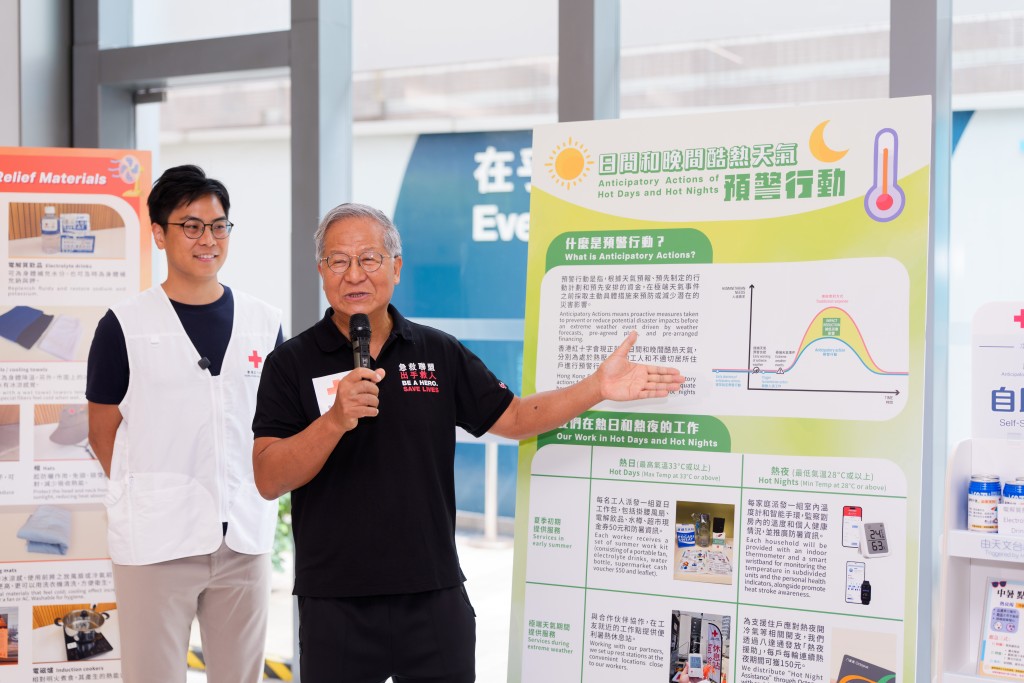
The hazards of extreme weather extend beyond daylight hours, as hot nights pose equally grave health risks. To tackle the combined threats of scorching days and stifling nights, HKRC has rolled out the "Anticipatory Action" to formulate action plans and mobilise contingency funds in advance , taking proactive measures to reduce the impact of extreme weather.
For frontline outdoor workers, HKRC has distributed summer work kits, comprising portable waist fans, water bottles, electrolyte beverages, heat prevention items, and HK$50 supermarket vouchers, to 700 individuals, while collaborating with partners to establish convenient rest stations near workplaces. For home health monitoring, the organisation has provided indoor thermometers and smart wristbands to grassroots residents to enhance their awareness of ambient temperature shifts and personal wellbeing. Additionally, HKRC has introduced the "Hot Night Assistant" subsidy for more than 200 households living in inadequate housing, granting HK$150 per consecutive hot-night period to cover roughly six nights of air-conditioning electricity expenses, with each household eligible to receive the subsidy up to four times, offering tangible financial relief during oppressive summer nights.
Extreme heat is no longer an isolated meteorological anomaly; it represents a humanitarian challenge that directly affects the lives, safety, and wellbeing of the entire population. Combating heatwaves cannot rely solely on individuals or single organisations, it demands collective cross-sector collaboration across society.
HKRC hopes to work with the business sector, social welfare organisations, and community partners to leverage their respective strengths and join the heat-relief network. Businesses and local enterprises can open up air-conditioned premises as cooling rest stations, sponsor energy-efficient cooling supplies, or provide technical solutions. Concurrently, the social welfare sector and local groups can strengthen outreach home visits and health monitoring for vulnerable seniors, ensuring that the Disaster Preparedness Map and cooling resources reach every corner of the community. Together, through compassionate and coordinated action, we can weave a robust climate safety net to help every underprivileged resident weather the extreme heat safely.