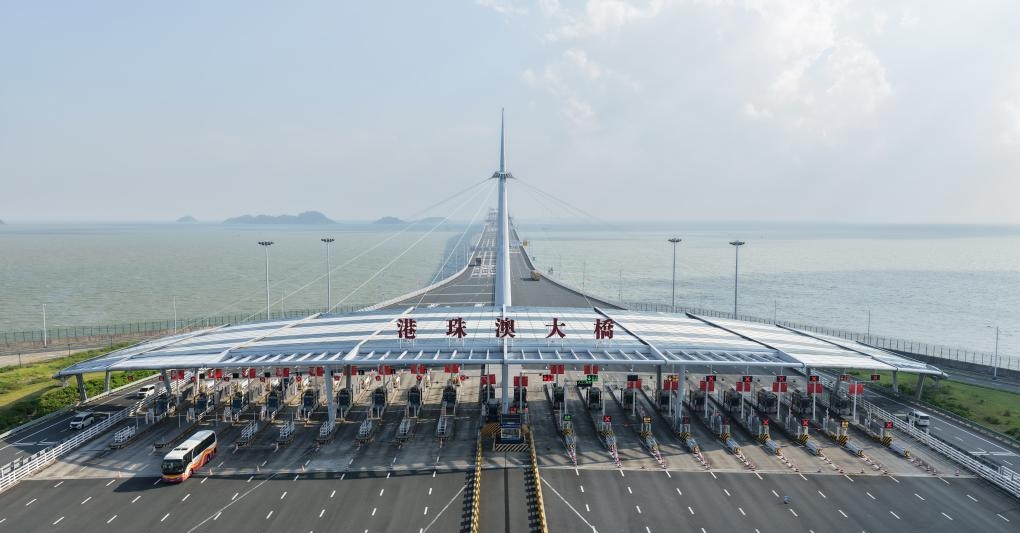
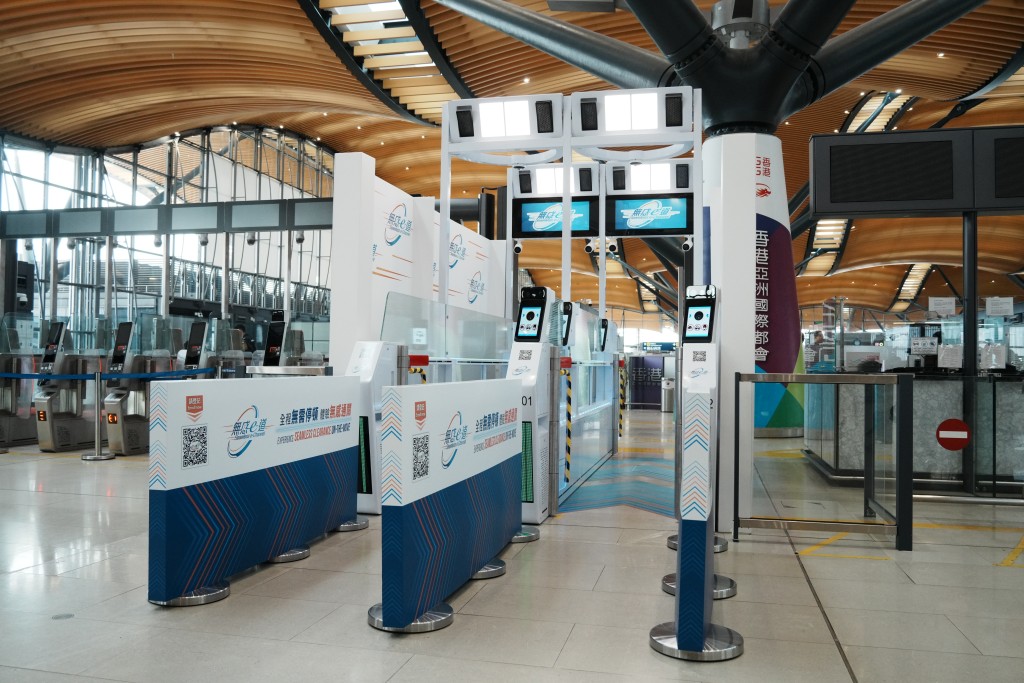
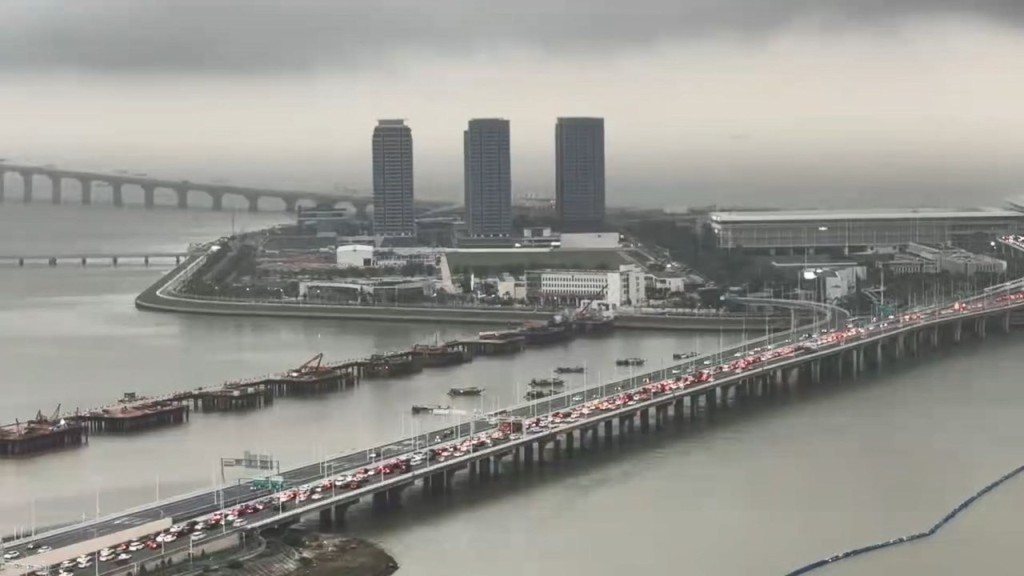
Hong Kong will introduce an automated clearance pilot scheme for cross-border private cars at the Hong Kong-Zhuhai-Macao Bridge (HZMB) in December, allowing drivers and passengers to clear immigration while remaining inside their vehicles without presenting physical documents, sources say.
The initiative will be announced by Chief Executive John Lee Ka-chiu in his upcoming Policy Address on September 16, alongside the city's first five-year plan.
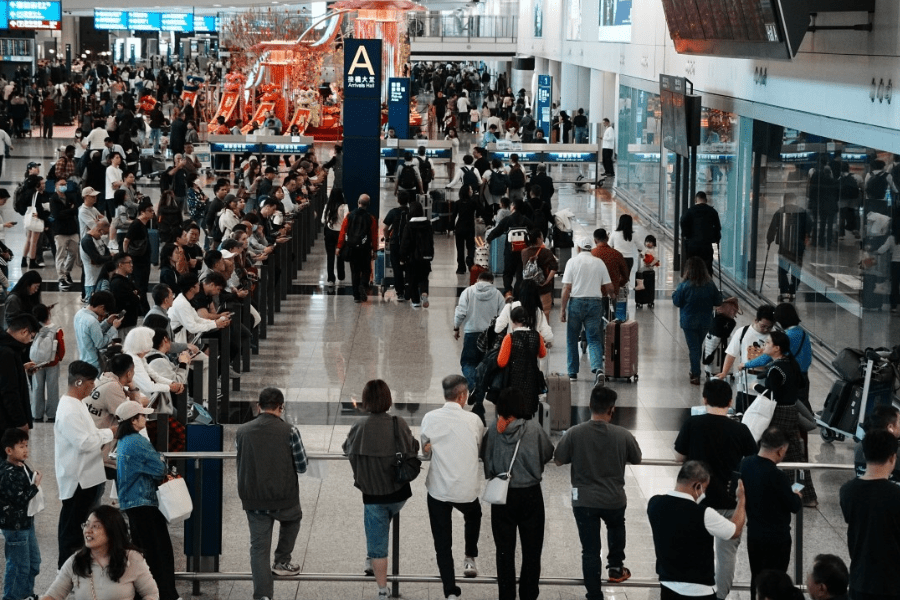
Under the current arrangement, passengers must disembark at a designated area to process immigration on foot, while drivers proceed through vehicle lanes separately. The system frequently leads to delays, with drivers and passengers waiting for each other, particularly during peak holiday periods.
The Immigration Department will deploy artificial intelligence and facial recognition technology at the bridge checkpoint. Multiple cameras will track the facial features of vehicle occupants in real time, validating their identities simultaneously against an AI search algorithm.
The first phase of the scheme will be available to eligible Hong Kong permanent residents who have pre-registered.
Ringo Lee Yiu-pui, governor and honorary life president of the China Hong Kong Automobile Association, welcomed the new setup, describing it as an upgraded version of joint inspection of vehicles and passengers. He noted that with the "Northbound Travel for Hong Kong Vehicles" scheme extended for five years, vehicle traffic will continue to grow, making automated clearance essential to ease bottleneck congestion.
"Most family trips involve elderly passengers, and allowing them to remain in the car is a reasonable and humane direction," Lee said. He added that clear appeal mechanisms should be established in case identity verification fails.
Lawmaker Rock Chen Chung-nin commended the pilot project, stating that it aligns with earlier suggestions to implement contactless border checks. He noted that the automated system will relieve pressure on frontline immigration officers during holiday traffic surges and enhance overall operational flexibility.
Chen suggested expanding the model long term to other control points, including the new Huanggang Port.
Fellow lawmaker Adrian Pedro Ho King-hong echoed the sentiment, highlighting the heavy traffic regularly seen at the bridge and Shenzhen Bay Port. He expressed hope that the technology could be replicated at other busy border crossings once proven successful, further facilitating seamless travel across the Greater Bay Area.