
Read More
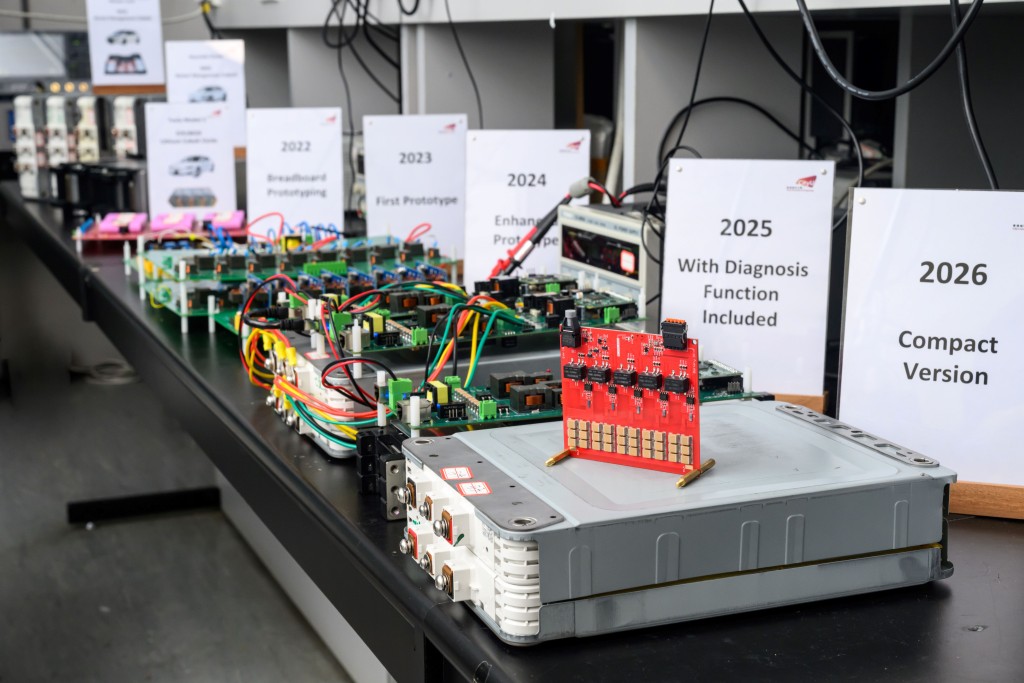
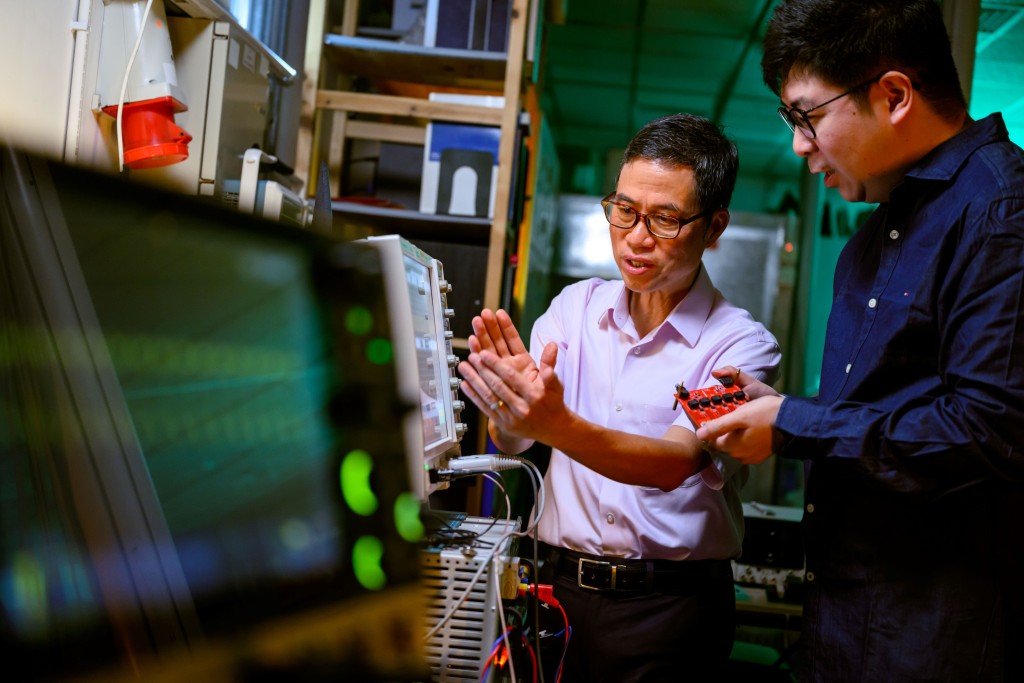
A research team from the City University of Hong Kong (CityU) has developed an intelligent power conditioner capable of reactivating retired electric vehicle batteries, creating a sustainable secondary energy source while reducing electronic waste ahead of an anticipated surge in decommissioned batteries by the 2030s.
ADVERTISEMENT
SCROLL TO CONTINUE WITH CONTENT
Backed by a HK$6.7 million grant from the government's Green Tech Fund under the Environment and Ecology Bureau, the project aims to repurpose aging vehicle batteries for stationary energy storage across commercial sectors.
Giving aging vehicle batteries a second purpose
Electric vehicle batteries generally reach the end of their automotive lifespan within eight to ten years. While no longer suitable for the rapid and intensive power output demanded by vehicles on the road, these batteries typically retain 70 to 80 percent of their original electrical storage capacity.
Professor Henry Chung Shu-hung of CityU’s Department of Electrical Engineering, who led the research initiative, noted that retired batteries offer immense potential for lower-demand energy uses.
These include providing temporary power for construction sites to replace traditional petrol or diesel generators, substantially reducing local carbon emissions and air pollutants.
However, he emphasized that repurposing must address safety considerations, as chemical changes in degraded batteries can increase the risk of overcharging or thermal instability.
Vast energy potential and local processing advantages
Chung estimated that around 20,000 electric vehicles in Hong Kong will reach retirement by 2030. Under conservative calculations, harvesting and reactivating batteries from just 10,000 of those vehicles could yield approximately 520,000 kilowatt-hours of electricity each year—enough to supply the entire territory's electrical demand for three minutes.
Repurposed batteries cost roughly 30 to 40 percent of the price of brand-new battery units.
Chung added that because battery packs are exceptionally heavy and carry safety risks during cross-border transit, handling the testing and refurbishment locally in Hong Kong would be far more practical while creating specialized local employment opportunities.
The university is actively pursuing technology transfer and negotiating commercialization models with industry partners.
Green Tech Fund drives regional expansion
The government's Green Tech Fund was established around six years ago to finance research and development initiatives that advance decarbonization and environmental protection, encouraging commercial applications across local industries.
The fund has received a cumulative capital injection of HK$400 million and has approved 39 research projects totaling approximately HK$171 million to date.
Commissioner for Climate Change Sammy Yeung Sau-kuen confirmed that 24 funded projects have already concluded successfully, citing an advanced industrial wastewater treatment system developed by a local university that is now expanding into the Greater Bay Area and the Yangtze River Delta.
Yeung noted that the fund has sufficient financial reserves to operate for several more years without an immediate need for capital replenishment, adding that the latest application round received 131 submissions and underwent rigorous evaluation.