The Agriculture, Fisheries and Conservation Department (AFCD) on Thursday defended its practice of visually assessing dogs to identify restricted fighting breeds, stating the method is far more than a simple glance and aligns strictly with international standards.
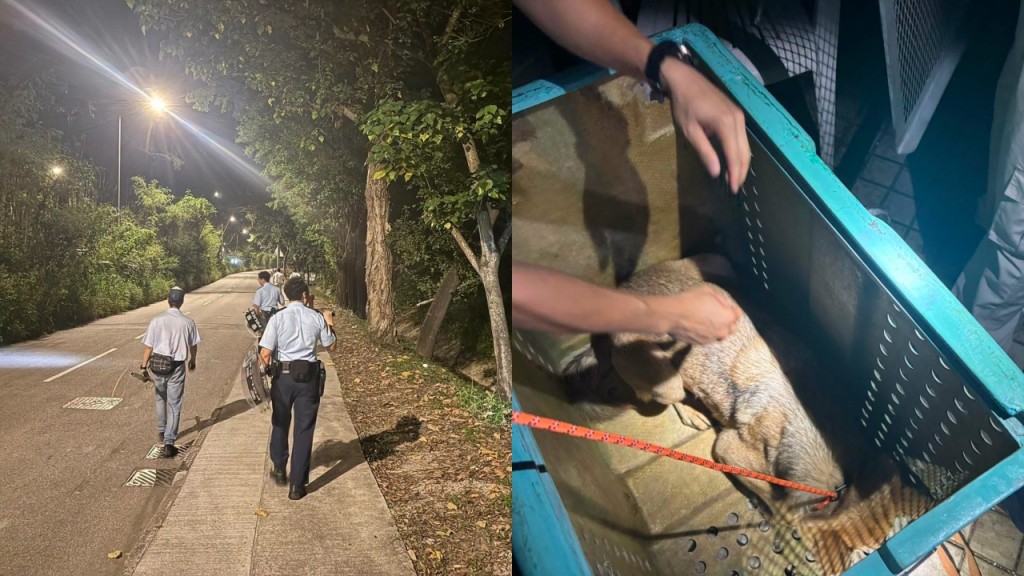
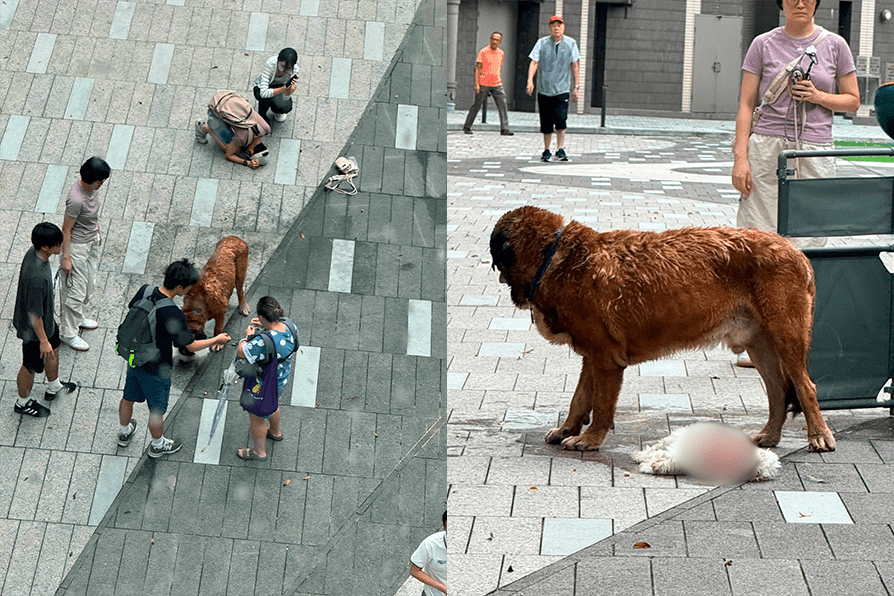
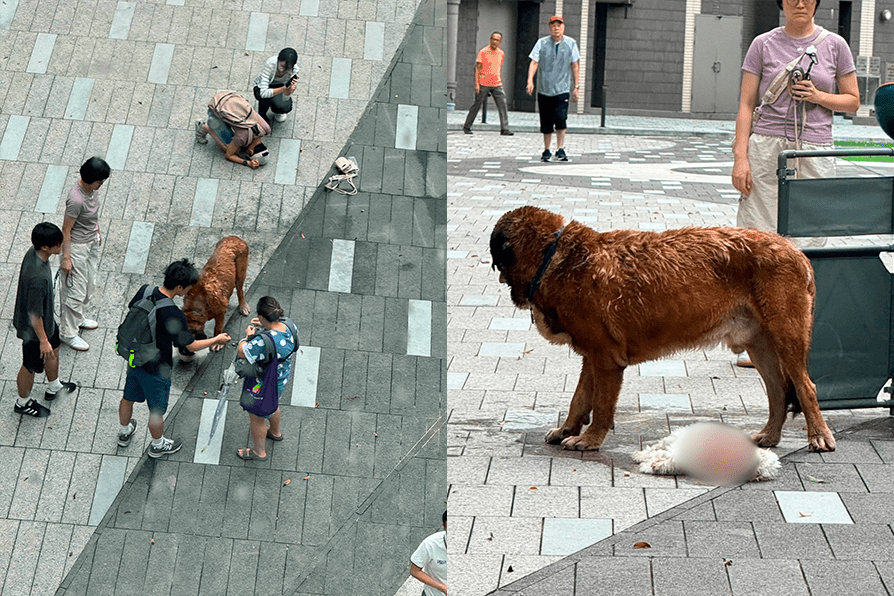
The clarification follows the recent detention of several suspected fighting dogs, a move prompted by a rising number of public reports requesting on-site inspections.
Speaking on a radio program, AFCD Principal Veterinary Officer Michelle Yeung Lee addressed public concerns regarding how the department determines a dog's breed. She explained that visual evaluation by trained veterinarians—which examines physical traits such as head shape, stature, and overall body structure—is a globally accepted practice.
While genetic testing is available, Yeung noted it serves only as an assistive tool. She cautioned that commercial DNA tests often yield inconsistent results due to varying parameters and methodologies.
Under current Hong Kong law, four specific breeds are classified as statutory fighting dogs: the Pit Bull Terrier, Japanese Tosa, Dogo Argentino, and Fila Braziliero, along with any of their crossbreeds. Yeung emphasized that this regulatory approach mirrors international practices, such as those in the United Kingdom, which define fighting dogs by their physical traits rather than relying on pure breed status alone.
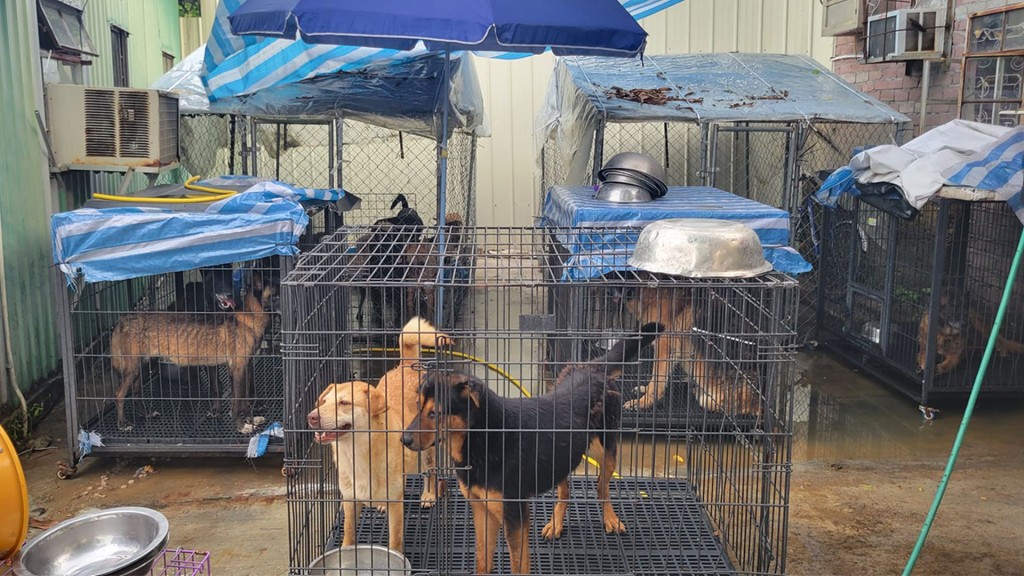
Addressing the enforcement process, Yeung explained that following a public report, officers typically contact the owner to arrange an on-site visit. However, if there is no immediate danger to the public, owners are welcome to bring their dogs directly to an AFCD center for inspection. She assured animal lovers that all dogs detained for assessment are closely cared for by veterinary staff during their stay.
Above all, the AFCD urged owners not to panic or abandon their pets out of fear of the regulations.
Yeung reaffirmed that it remains completely legal to keep a fighting dog in Hong Kong, provided the owner complies with a strict set of conditions. The dog must be neutered, microchipped, fitted with a specified collar, muzzled while in public, and kept on a leash no longer than 1.5 meters. She encouraged any owners who suspect their pet might fall under the fighting dog classification to proactively visit an AFCD center for a formal inspection.