Read More

Indonesia traps monkey to end rampage that wounded 18 people
07-08-2026 19:39 HKT
Monkey’s morning stroll delays Kwun Tong Line commute
23-07-2026 13:38 HKT


Night Recap - September 30, 2026
5 hours ago







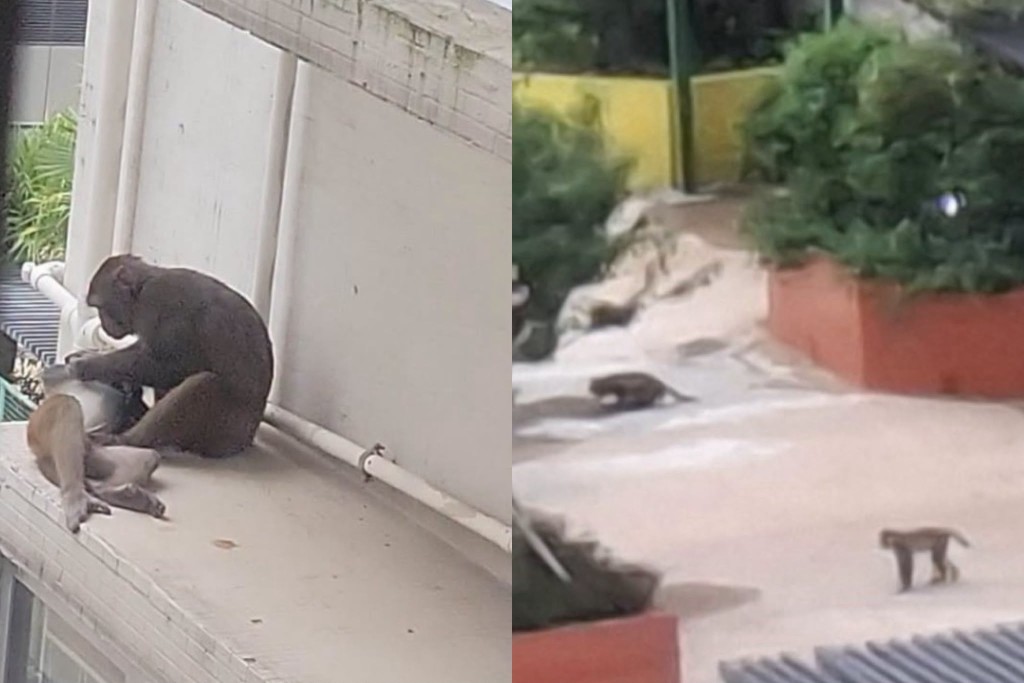
A Sha Tin district councilor has raised concerns that street offerings left during the Hungry Ghost Festival could attract wild boars and monkeys into urban areas, following repeated primate incursions at a local private residential estate.
Speaking to Sing Tao Headline, the sister publication of The Standard, district councilor Calvin Tang Siu-fung said the latest incident at Hilton Plaza occurred on August 4 and around five monkeys were spotted on the fourth-floor podium and sixth-floor areas.
Tang said he immediately notified the Agriculture, Fisheries and Conservation Department (AFCD) and urged residents to close their windows, avoid provoking the animals, and refrain from leaving food out to prevent the estate from becoming a monkey territory.
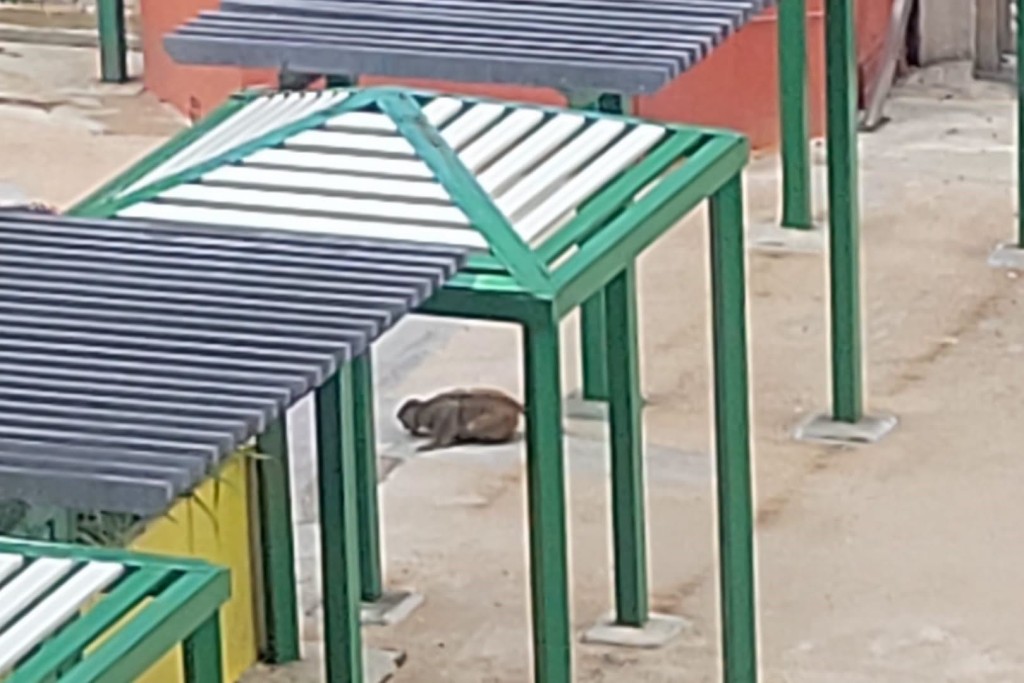
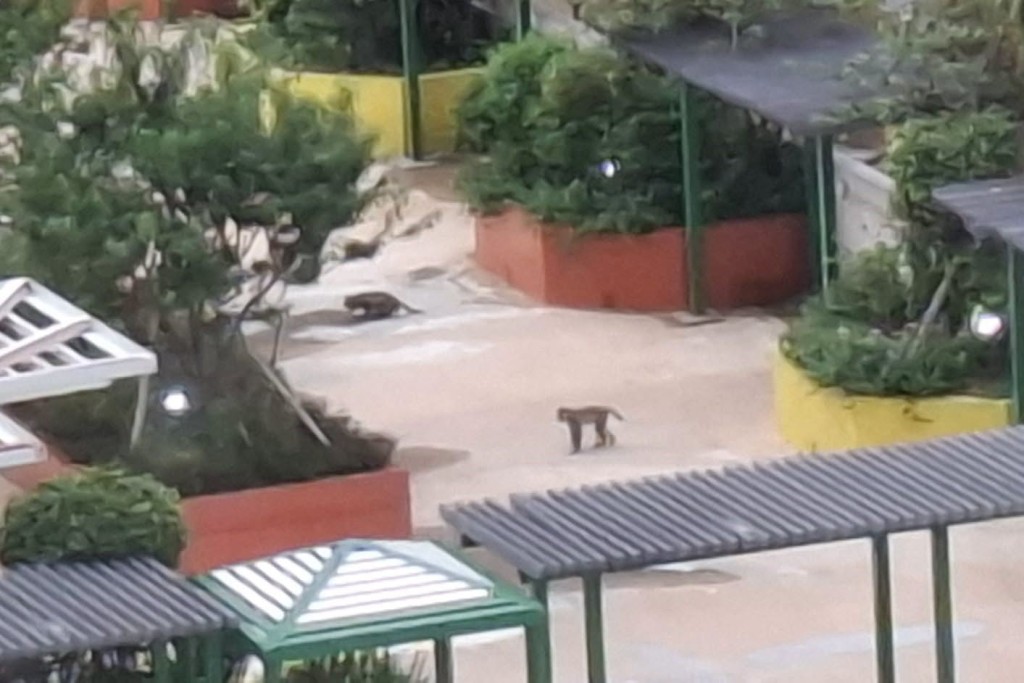
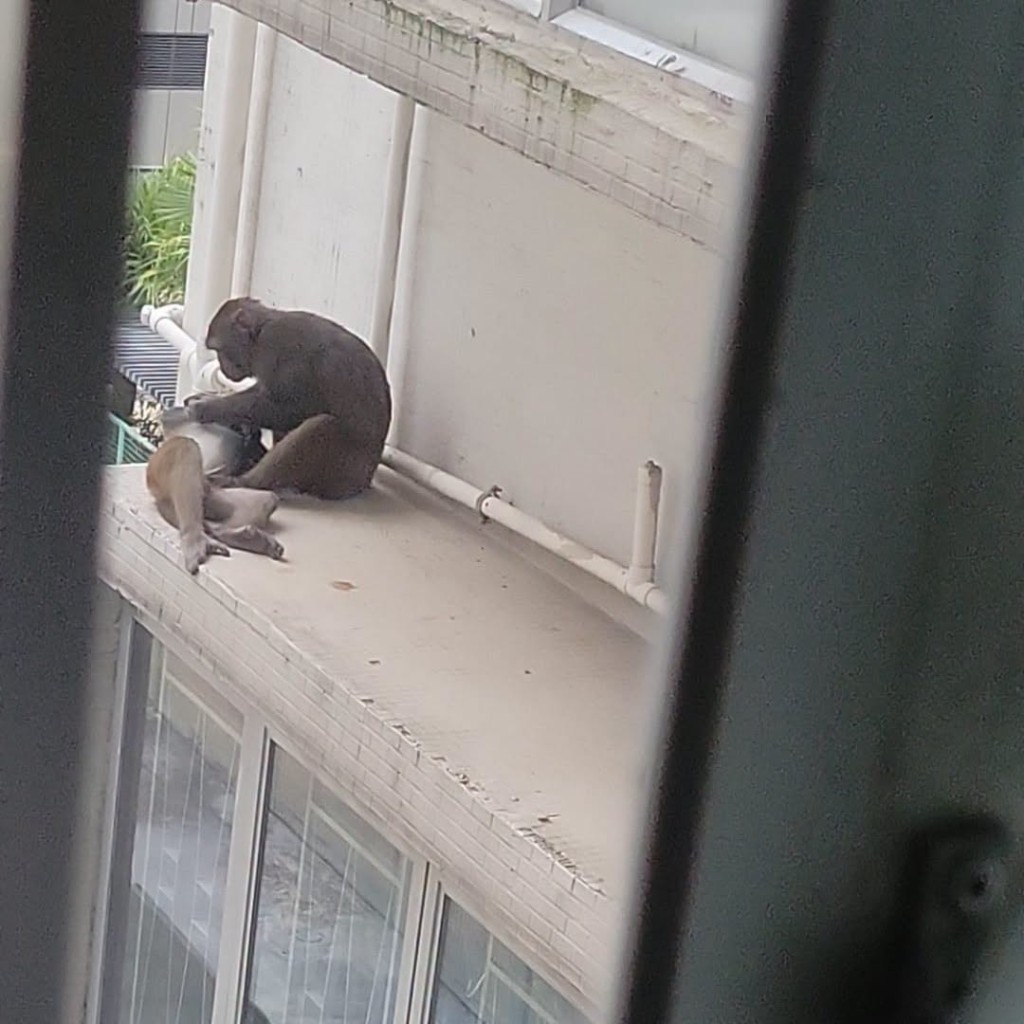
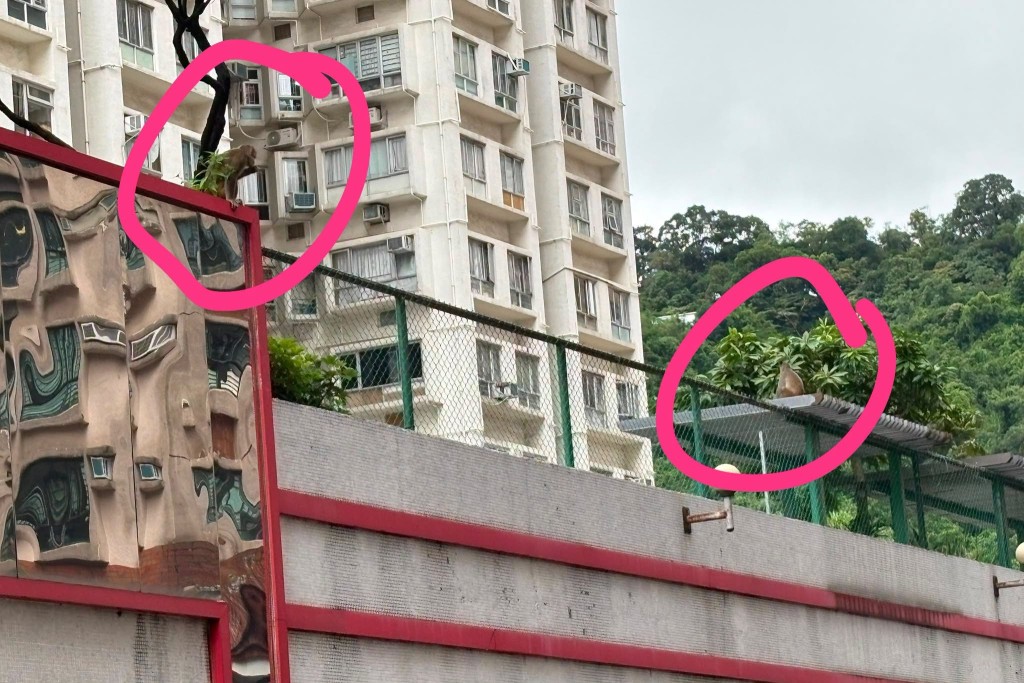
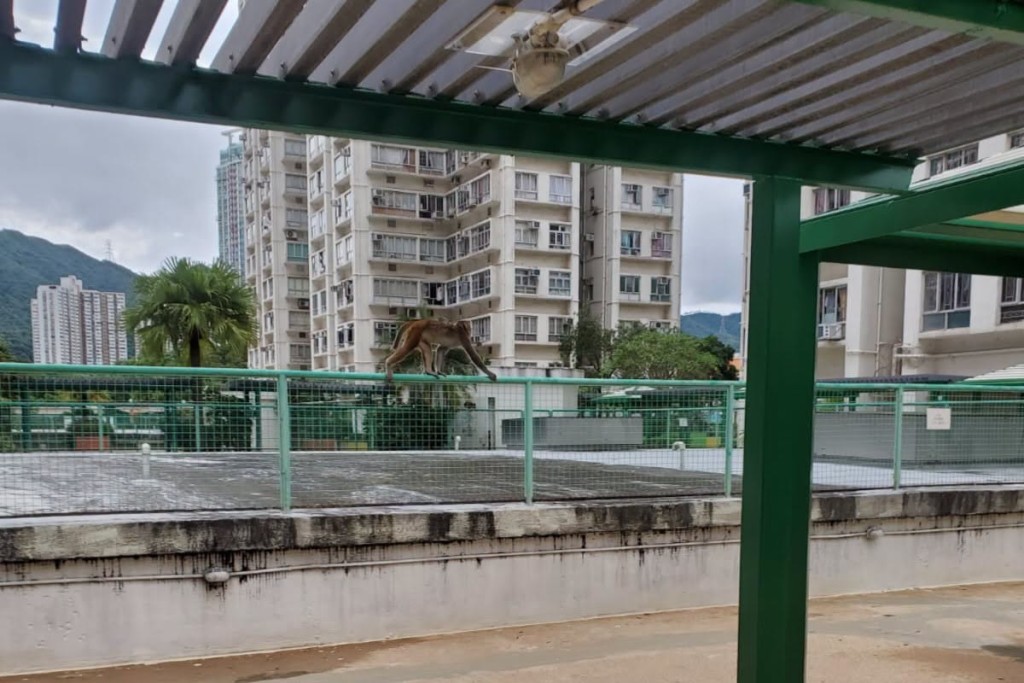
The estate previously recorded an incident in January, when a monkey entered a low-floor unit to steal food. In addition, more than 10 monkeys climbed the building’s exterior up to around the 10th floor to seek shelter during Typhoon Noul on July 26.
Tang added that while the monkeys are wild animals and have not attacked any residents so far, seeing them gather in groups around the estate still causes fear among the residents. He also expressed concern that the animals could become aggressive toward residents carrying groceries near the podium.
With the upcoming Hungry Ghost Festival at the end of the month, he warned that traditional street offerings of fruit and meat could further attract wild monkeys and boars into urban areas.
AFCD confirmed it received three complaints regarding monkey nuisances at Hilton Plaza between January and August 5. Attributing the sightings to the estate’s proximity to forested monkey habitats, the AFCD stated it has stepped up patrols in the area and is coordinating with property management.
AFCD recorded 1,464 monkey nuisance cases over the past five years, with cases mainly concentrated in Sha Tin, Tai Po, and Sham Shui Po. Last year, there were 313 cases, down 18 percent year-on-year.
There were also 5,906 boar sightings or nuisances over the past five years, mainly in Sai Kung, South District and Tai Po, including 1,130 cases last year, up 3 percent year-on-year.