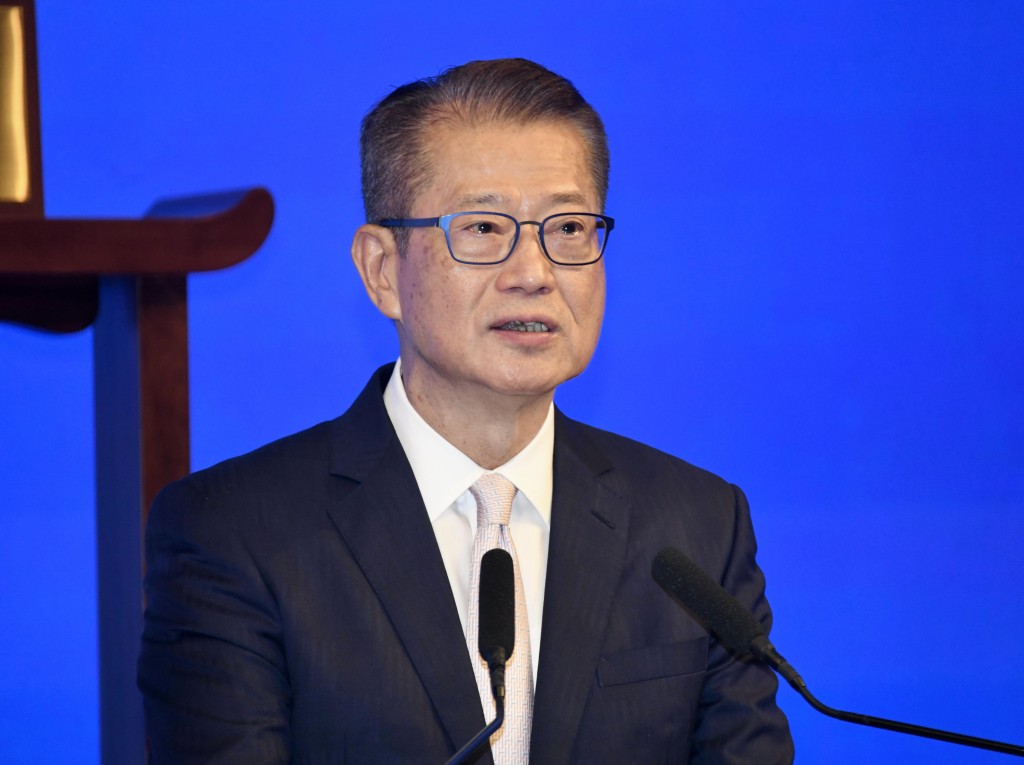
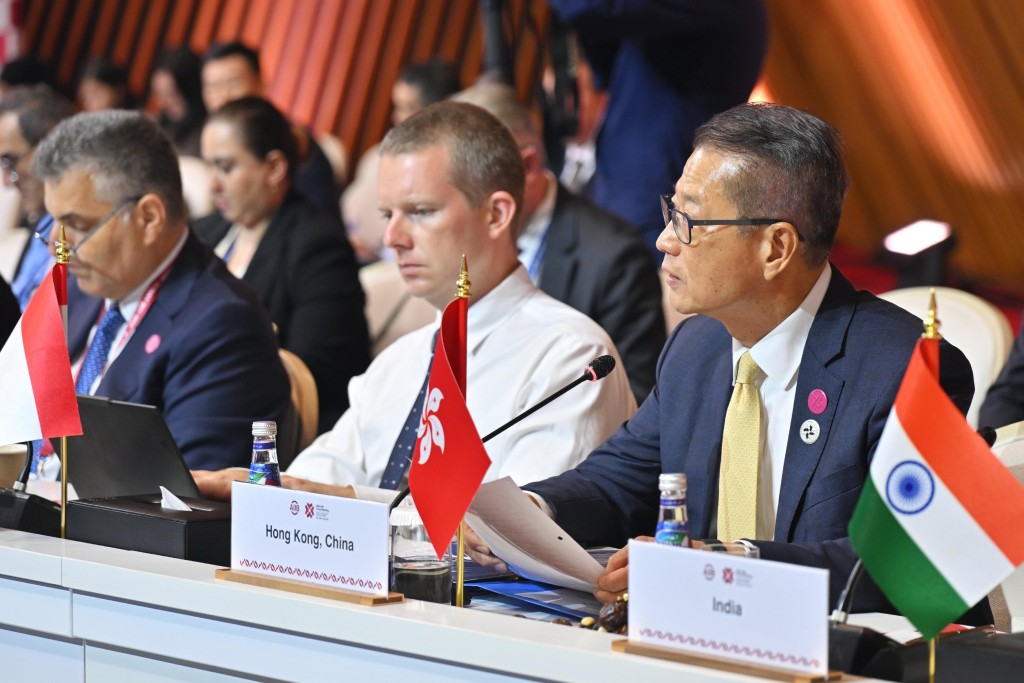
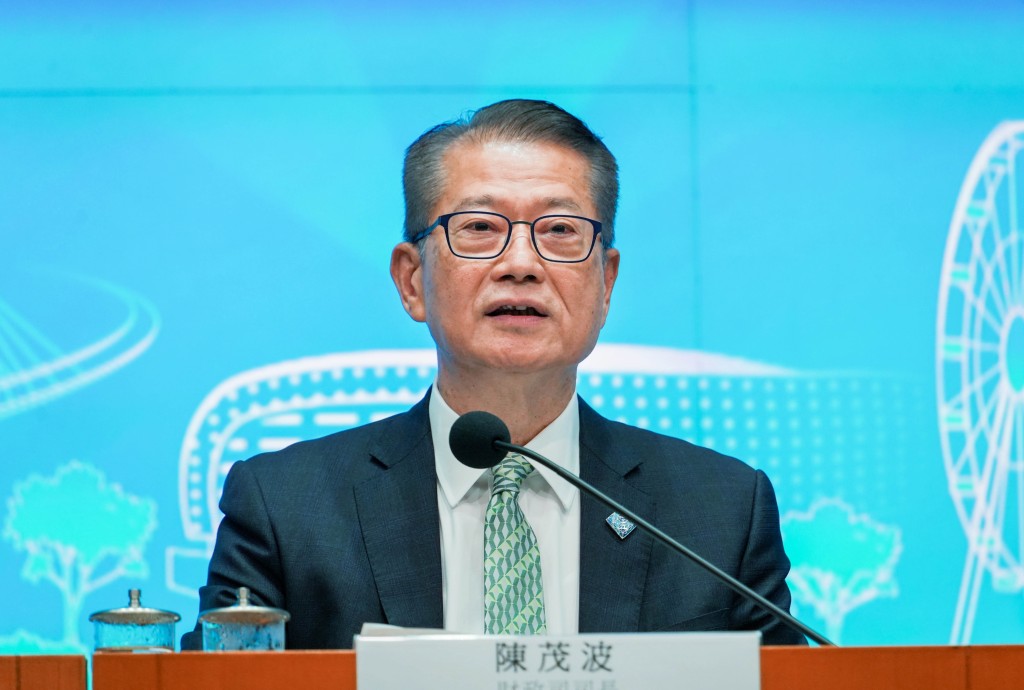
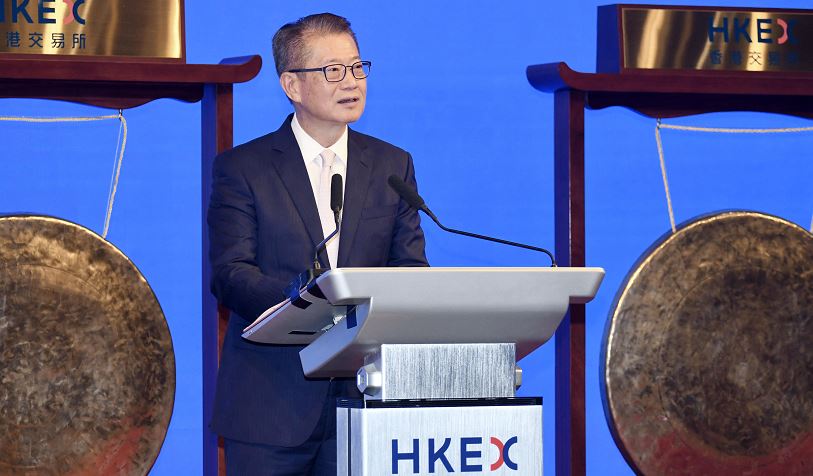
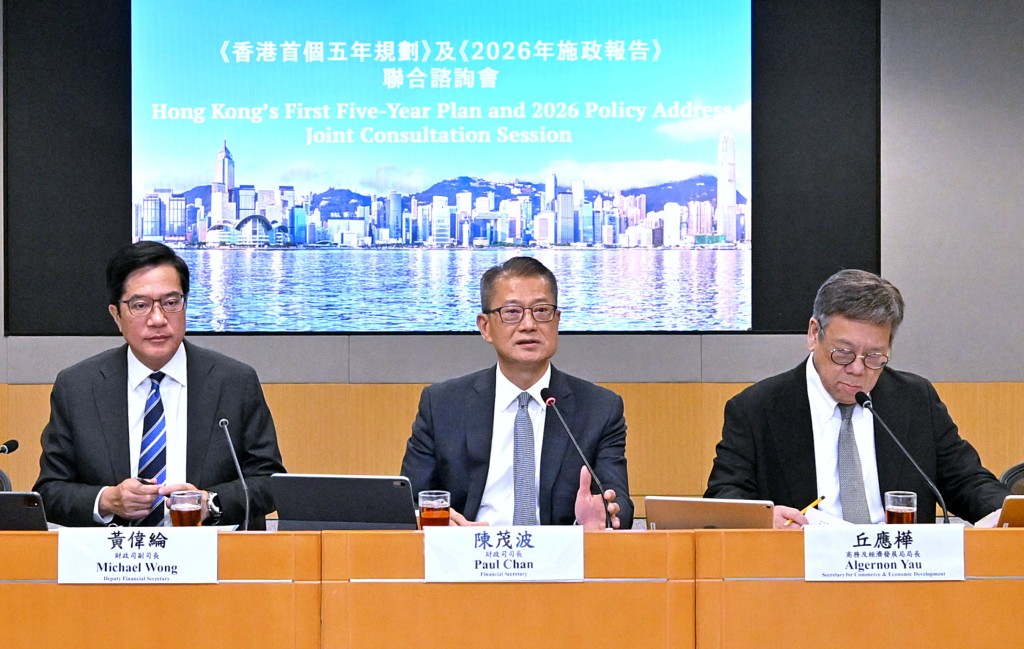
Financial Secretary Paul Chan Mo-po expressed cautious optimism for Hong Kong’s economic outlook for the second half of the year.
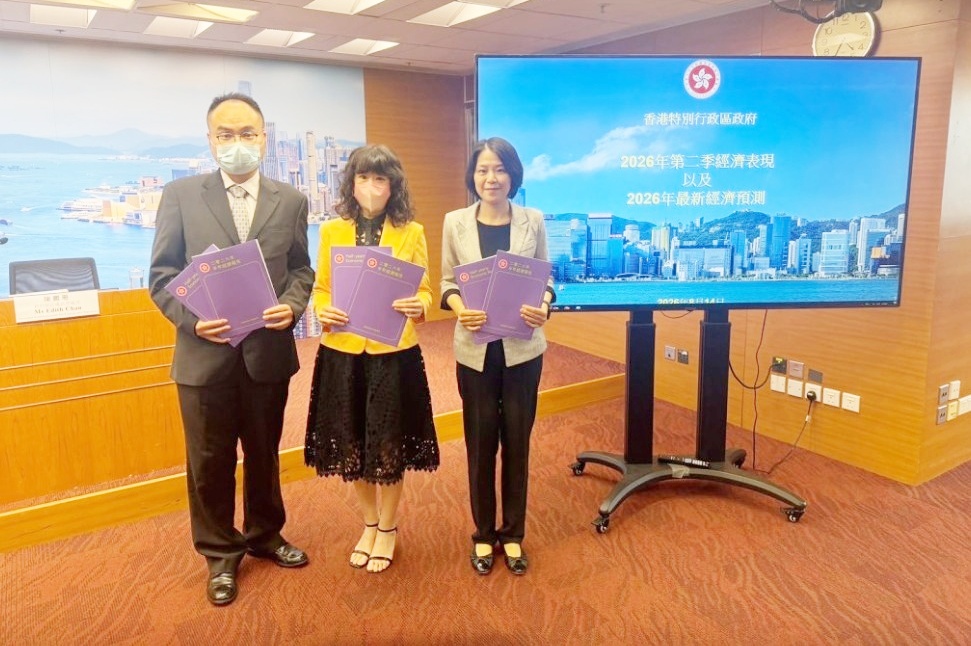
His remarks came after the government announced a 4.3 percent economic growth in the second quarter and revised its full-year GDP growth forecast upward by one percentage point to between 3.5 percent and 4.5 percent.
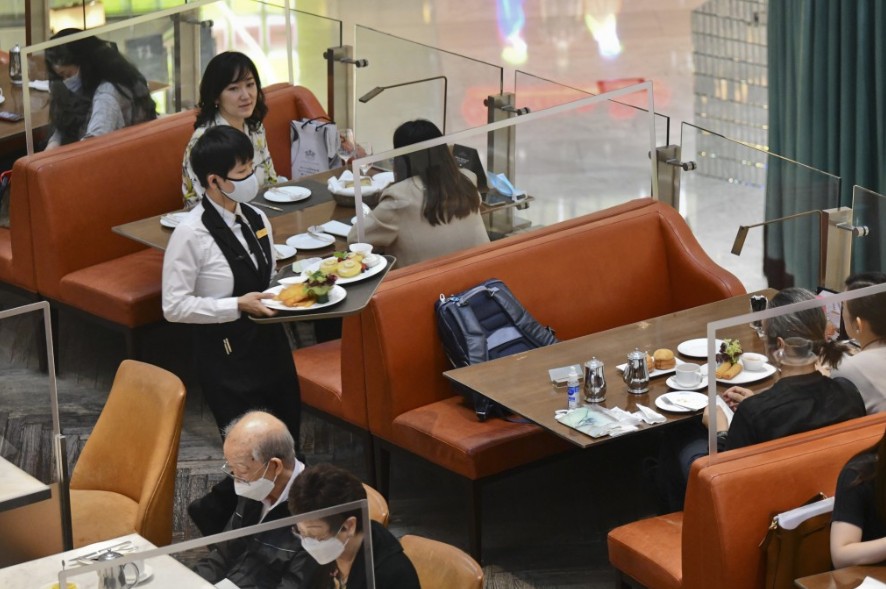
Speaking on a radio program on Sunday, Chan said the first-half economic growth was “quite good,” driven primarily by strong export performance and resilient external and internal demand. He pointed to 14 consecutive months of retail sales gains, mild growth in the catering sector, stable asset markets, and healthy employment conditions. He added that these positive indicators underpin his cautious optimism for continued steady performance in the second half.
Chan noted that while external risks such as United States trade policy and interest rate trajectories could have a significant impact on Hong Kong, there are unlikely to be major changes for the rest of the year as markets have already priced in potential rate hikes. He said that risks related to the upcoming US midterm elections remain manageable.
Acknowledging that some residents feel left behind by the recovery, Chan said certain sectors naturally advance faster during a rebound. However, he is confident that a stable asset market, rising employment income, and a more vibrant commercial environment will gradually benefit the wider economy.
The financial chief said the city’s unemployment rate is currently around 3.7 percent, with food services and construction under the most pressure. He expects construction activity to stabilize as new project volumes increase, and he encouraged catering businesses to upgrade and transform.
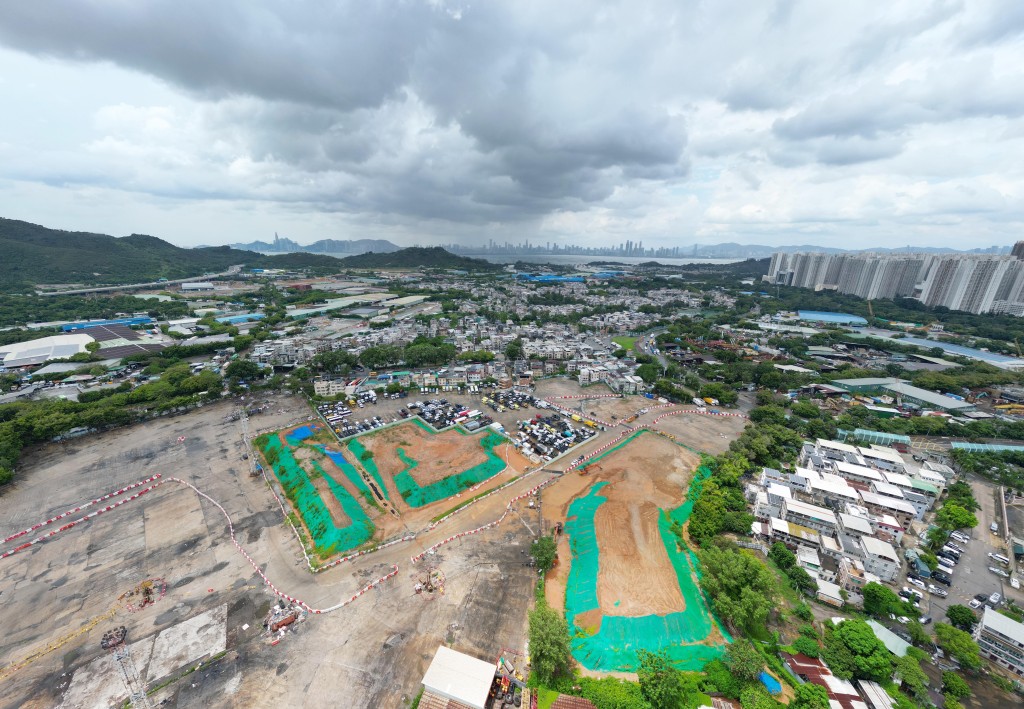
He also said progress in the Northern Metropolis will become increasingly visible starting this year as land is gradually released to support innovation and technology as well as major residential supply.
Major corporations are expected to move into the area along with their supply chains this year, creating local recruitment opportunities. In addition, local, mainland, and international universities have expressed interest in joining the Northern Metropolis University Town. Chan expressed confidence that as tangible results emerge over the next one to two years, public confidence in the mega-project will further strengthen.
On the property market, Chan said the government has been monitoring conditions closely. Prices have risen by roughly 10 percent since last year, with both property values and rents increasing.
He stressed that the Development Bureau maintains sufficient land reserves and will release sites progressively while tracking market trends, so that past shortages do not recur. He added that a steady volume of railway-connected property projects will launch in an orderly manner, supporting a “stable and positive” market outlook.
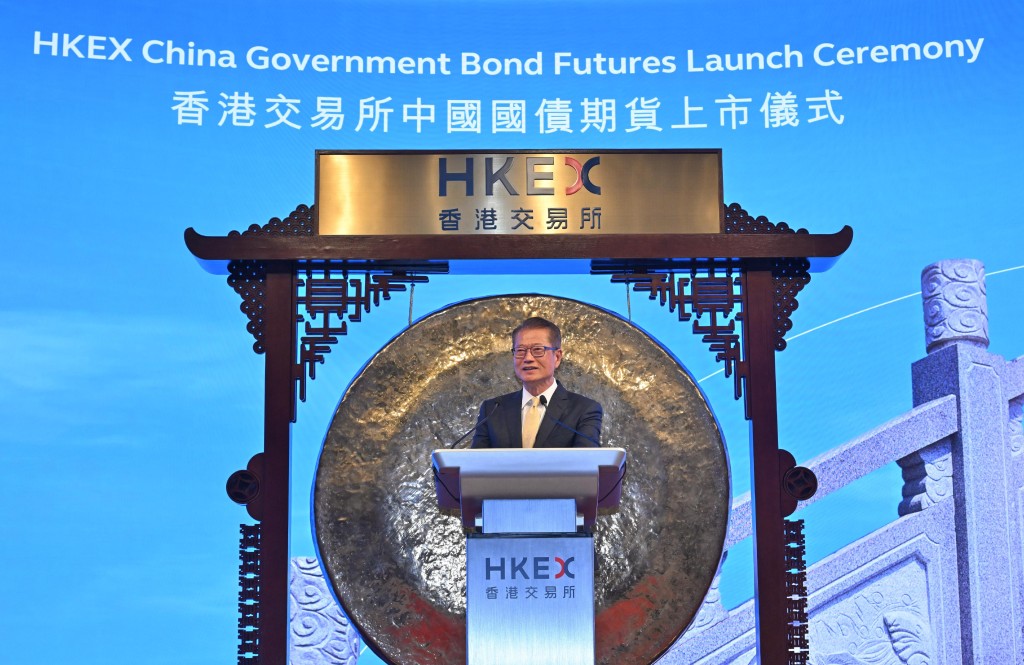
Following recent financial joint initiatives announced during People’s Bank of China (PBoC) Governor Pan Gongsheng’s visit to Hong Kong and the launch of Five-Year China Government Bond Futures, Chan said Beijing’s policy package demonstrates firm central support and helps dispel external skepticism.
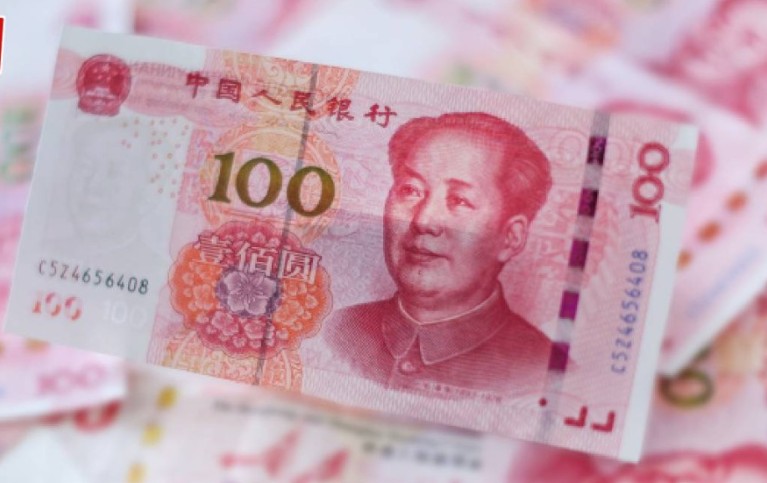
He added that the government is improving market infrastructure and liquidity to expand Hong Kong’s offshore renminbi hub, with the Hong Kong Monetary Authority and the PBoC continuing their mechanisms to promote international renminbi settlement.