Read More



Morning Recap - October 5, 2026
6 hours ago
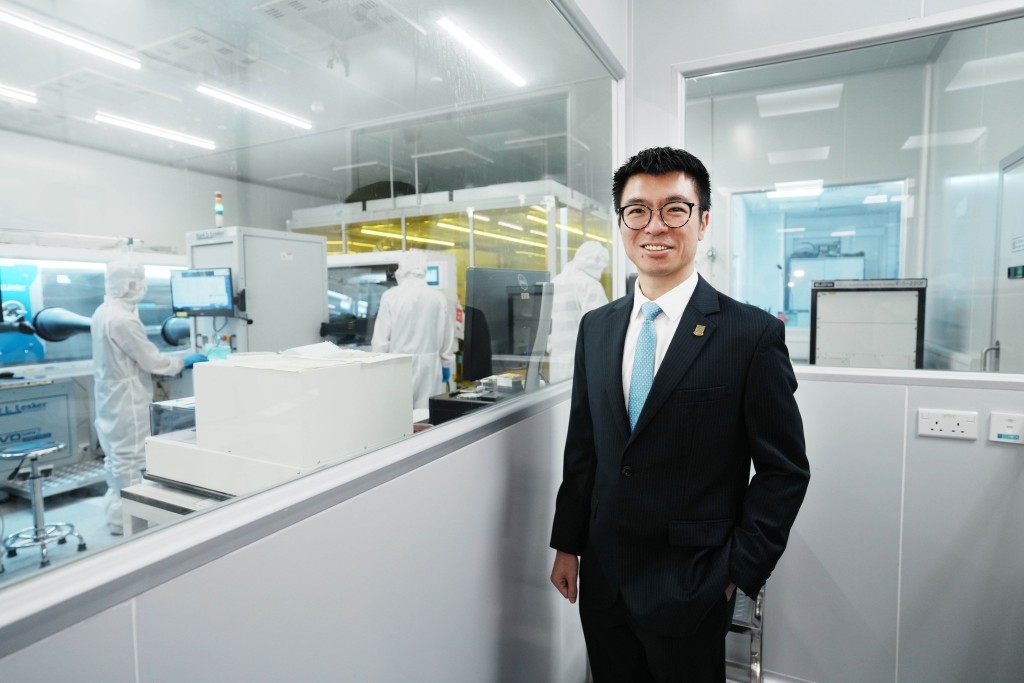


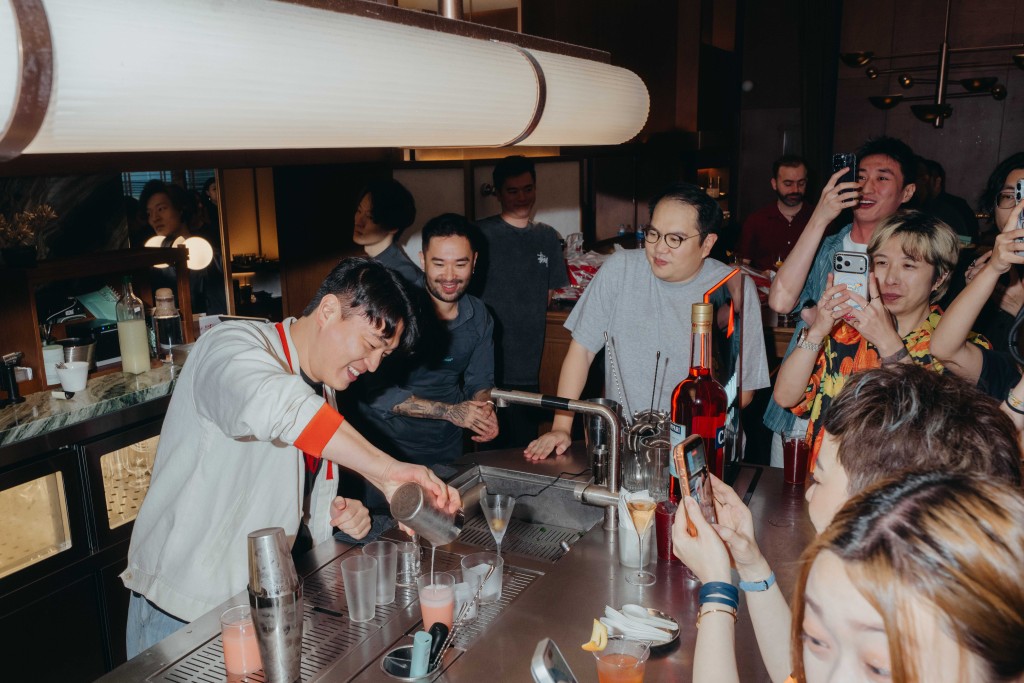
What are the dots connecting Singapore’s top-rated bar and Hong Kong’s most in-demand cocktail destination? Uno Jang, creative director & co-owner of Singapore's Jigger & Pony Group, connected them during a guest shift at Mius, a bar owned by his long-time friend Shelley Tai.
Bar concepts are a bit more structured and "shaped" in Singapore, said Jang, who has visited Hong Kong multiple times. In contrast, Hong Kong's bar concepts are built around the strong personalities of the founder or the bartender.
He believed that Singapore's bar scene also differs from Hong Kong's in that it is not dominated merely by superstar bartenders. "In Hong Kong, people really love that personality-driven hospitality," he said, noting that this unique character is showcased in every venue.
He pointed to Bar Leone, which was formerly ranked as the best bar in Asia, bringing a nostalgic feeling of Rome's traditional neighborhood bars, inspired by the founder’s hometown.
Another example is Mius, which is ranked No. 36 on the Asia's 50 Best Bars 2026 list and was founded by Tai. Jang praised Tai's successful adoption of elements of Singapore's bar culture and blended them with Hong Kong's. "She did a really great job creating that hybrid concept," he said.
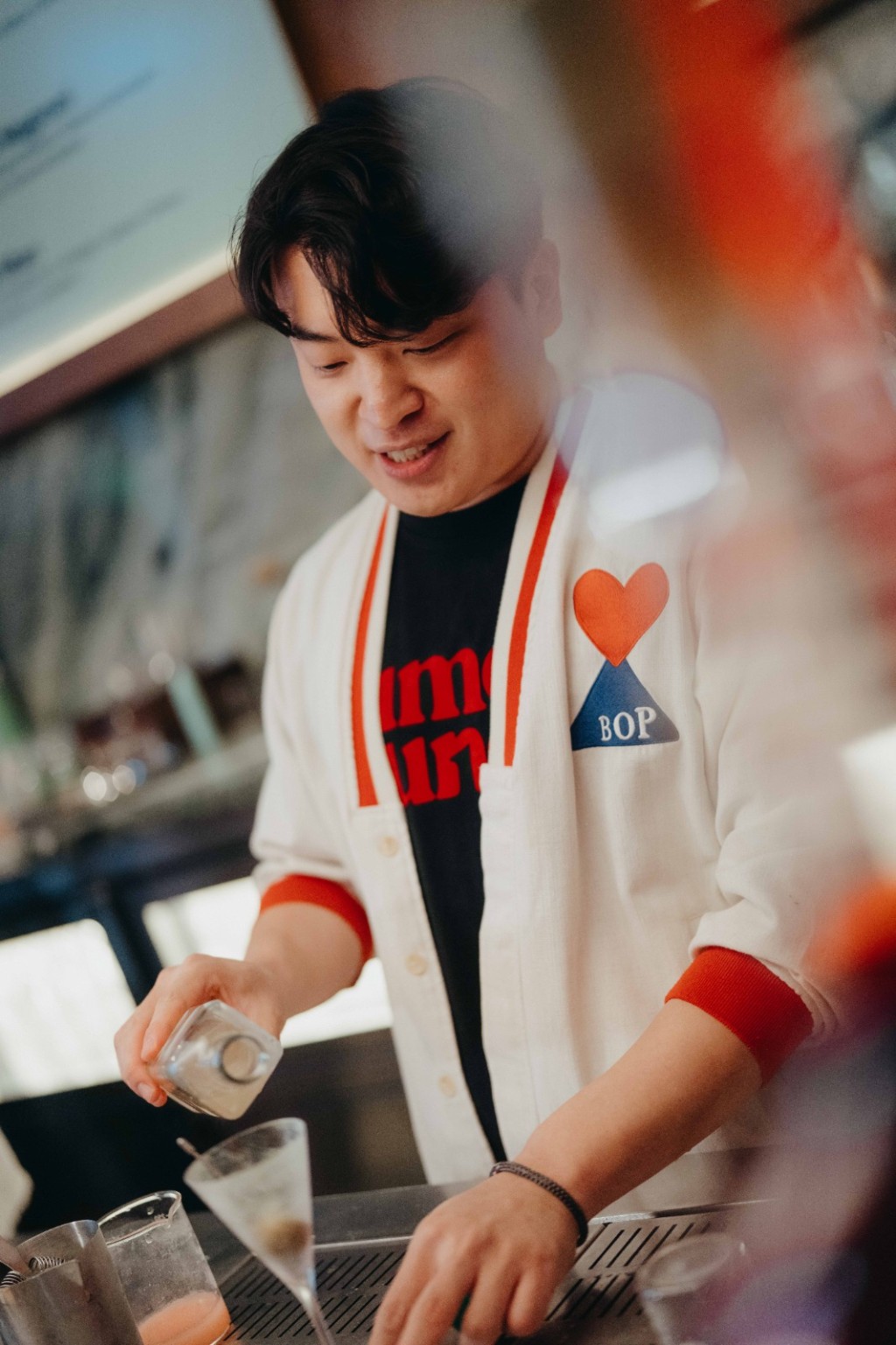
The two started out as young bartenders and bonded over a shared passion for cocktails before Tai moved to Singapore, where she spent five years at the Nutmeg Collective.
Years later, they find themselves in the very different roles of managing teams and shaping concepts. "We have walked similar paths in the international bar scene, so it is a global opportunity," Jang said, explaining why he decided to collaborate on the guest shift. "People are watching us."
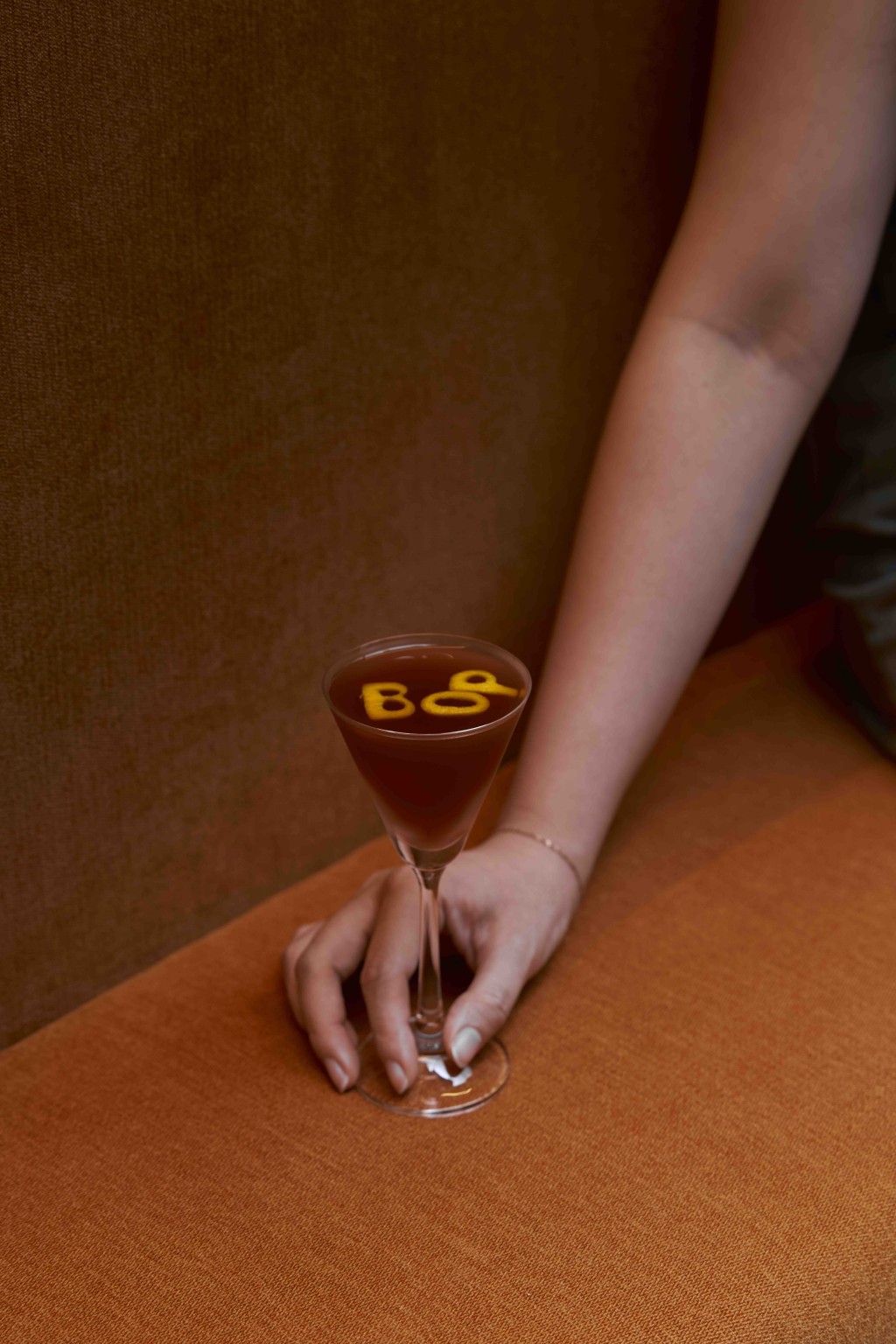
Jang leads a group whose flagship ranks No. 9 on The World’s 50 Best Bars and No. 9 on Asia’s 50 Best Bars. He is also the creative force behind B.O.P (Bartender's Pony), the group's Gen Z-friendly bar.
While heavy drinking is a well-known part of Korean culture, B.O.P is not a traditional Korean bar. Instead, the space is designed so everyone can enjoy themselves whether they are drinking alcohol or not.
Jang has observed a shift in how people drink, even though bars have not seen a dramatic drop in consumption against the backdrop of a global decline in alcohol intake. He noted that customers, especially in Singapore, have become very smart and mindful about their drinking, with many planning "sober months" and understanding exactly what to expect in a bar
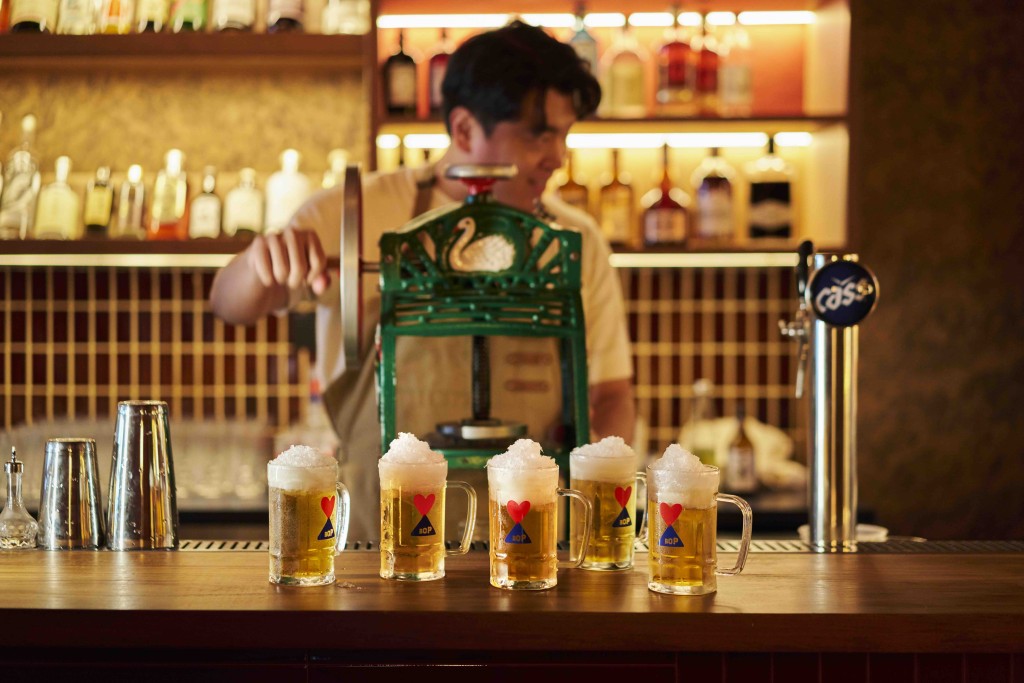
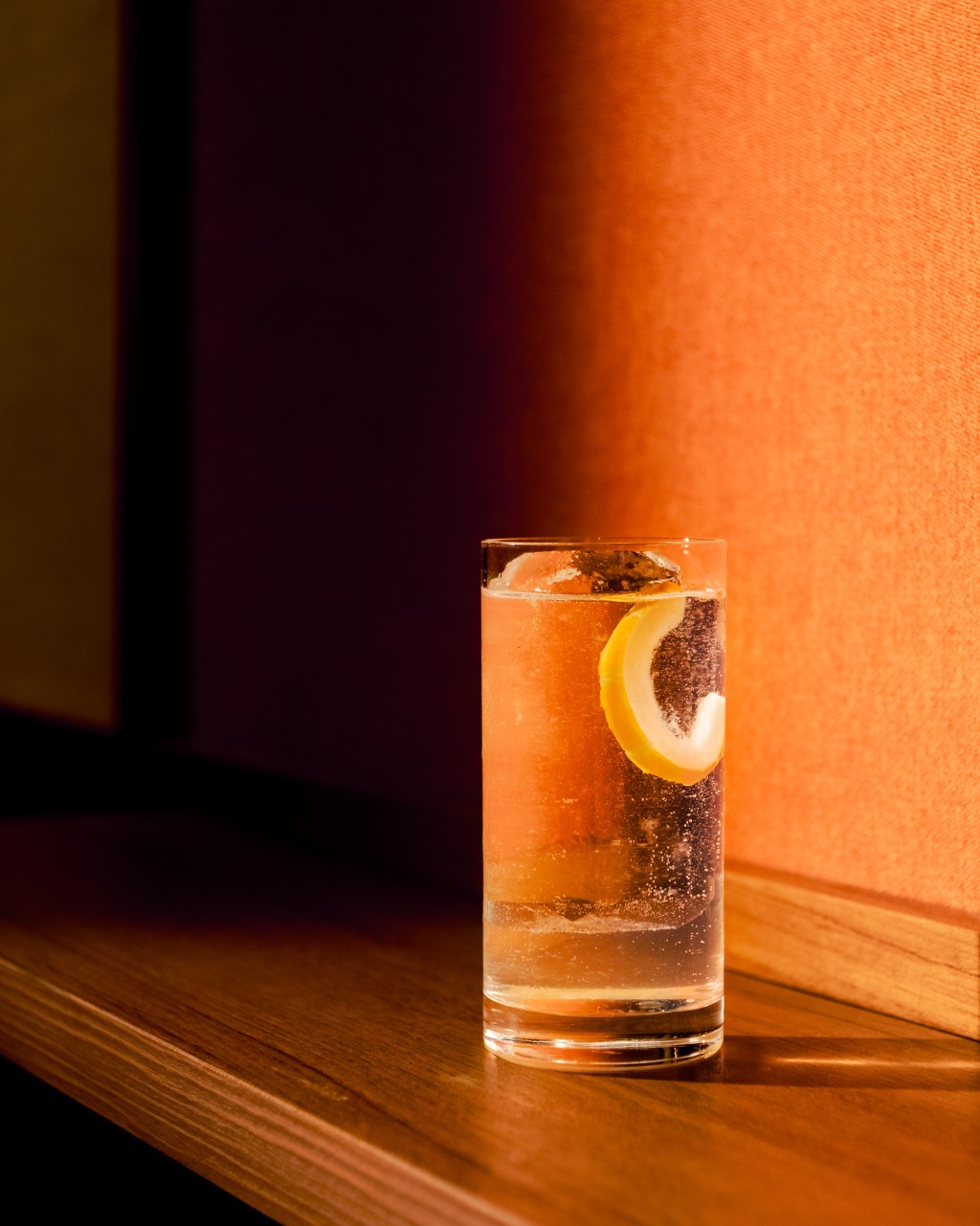
At B.O.P, the team aims to avoid the heavy drinking of traditional Korean culture while still utilizing Korean ingredients and sharing nostalgic hospitality. A perfect example is their must-try Somaek, typically served at Korean barbecues where guests are expected to down it instantly.
Jang’s version brings together the soju and beer pairing by combining draft beer with shaved soju ice. The drink is presented with chopsticks, which the guest uses to create micro-bubbles and mix the ingredients.
"This drink is not meant to be downed in ten seconds. It is a slow, interactive ritual designed to be savored," Jang said.
This creativity in reshaping traditional Korean drinking echoes Jang's core belief that consumers today are looking for an experience and alcohol is no longer the absolute first priority for everyone.
Regarding non-alcoholic drinks, a category gaining growing attention in the cocktail scene, Jang believes they deserve the exact same effort as alcoholic cocktails.
He explained that while the physical structure—including the balance of sweet, sour, dilution, temperature, and spirit—is carefully considered when creating standard cocktails, non-alcoholic drinks do not fit into that traditional format because they lack body.
To solve this, he draws inspiration from cafes, and fine-dining restaurants, and stressed the importance of building the body of mocktails at B.O.P, rejecting the lazy approach of taking a classic cocktail recipe and simply replacing the spirit with water or tea.
Instead, the team designs the non-alcoholic drink first, making it versatile for guests who might want an alcoholic version later.
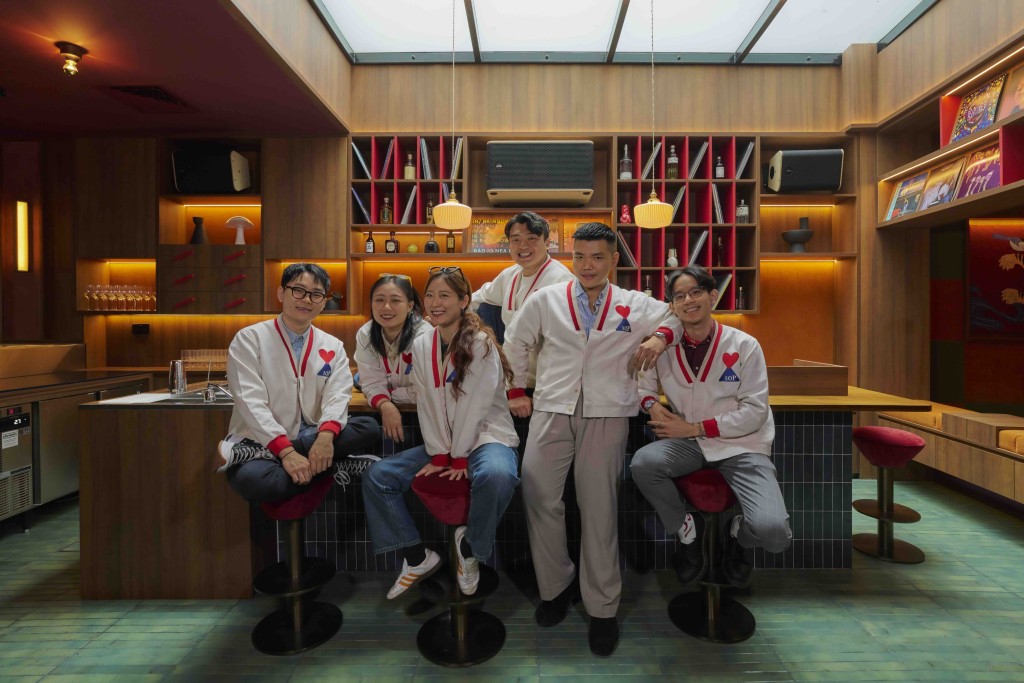
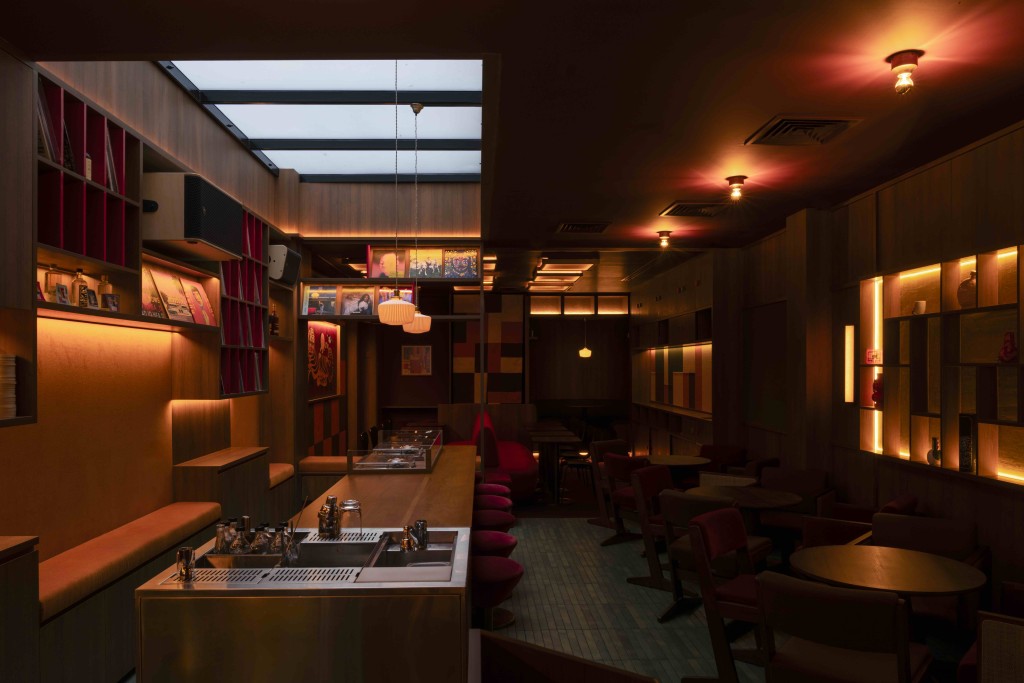
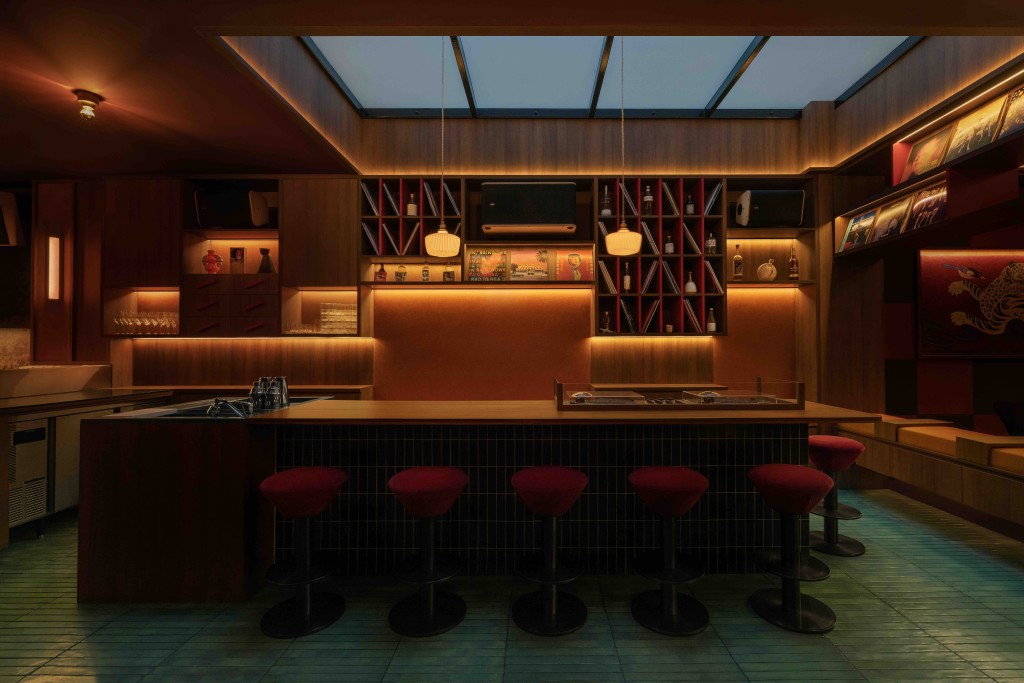
"Korean drinking is ultimately about togetherness," Jang said, circling back to the core spirit of B.O.P. "Even if guests come alone, they sit close together at our bar and end up sharing food and talking."
These words also echo the feeling he got from a bar he recently visited in Hong Kong, Sugar King. Jang said it reminded him of old-school Hong Kong bars in terms of both the lively vibe and how people simply enjoy their cocktails.
As the cocktail scenes in Hong Kong and Singapore continue to intertwine, the dots of superstar bars in both cities are always connected through genuine guest-centered hospitality and the natural connections made among guests, and perhaps, the bartenders behind the bar.