Read More

Cool Japan: Human fridge chills workers in extreme heat
25-08-2026 12:16 HKT

Night Recap - September 25, 2026
12 hours ago




UK denies BN(O) visas to Hongkongers with protest convictions: report
23-09-2026 18:59 HKT


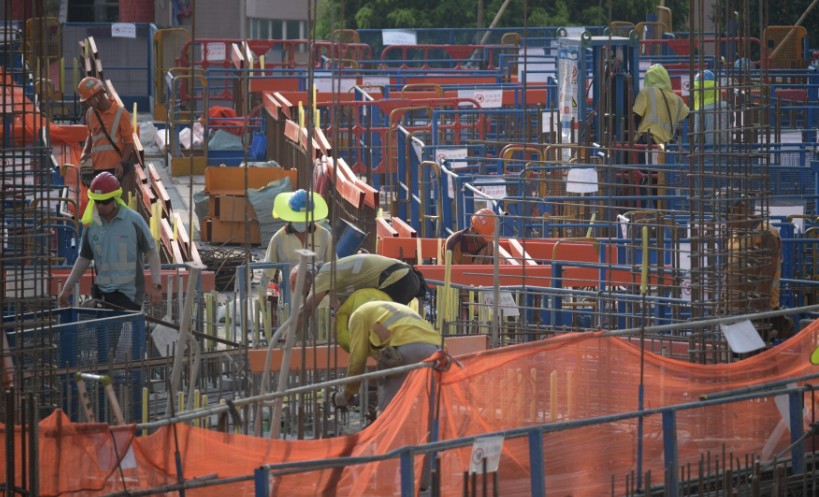
Frustration among Hong Kong’s outdoor workers is rising alongside the temperature, with calls growing for stronger legal protection as workers face extreme heat and, in some cases, criticism for taking breaks.
The concerns come as the city swelters through record-breaking temperatures, with the mercury reaching 36.9 degrees Celsius.
Speaking on a radio program on Tuesday, Ho Ping-tak, chairman of the Hong Kong and Kowloon Bamboo Scaffolding Workers Union (Tung-king), criticized the Heat Stress at Work Warning System for remaining at the lowest yellow level despite the intense heat.
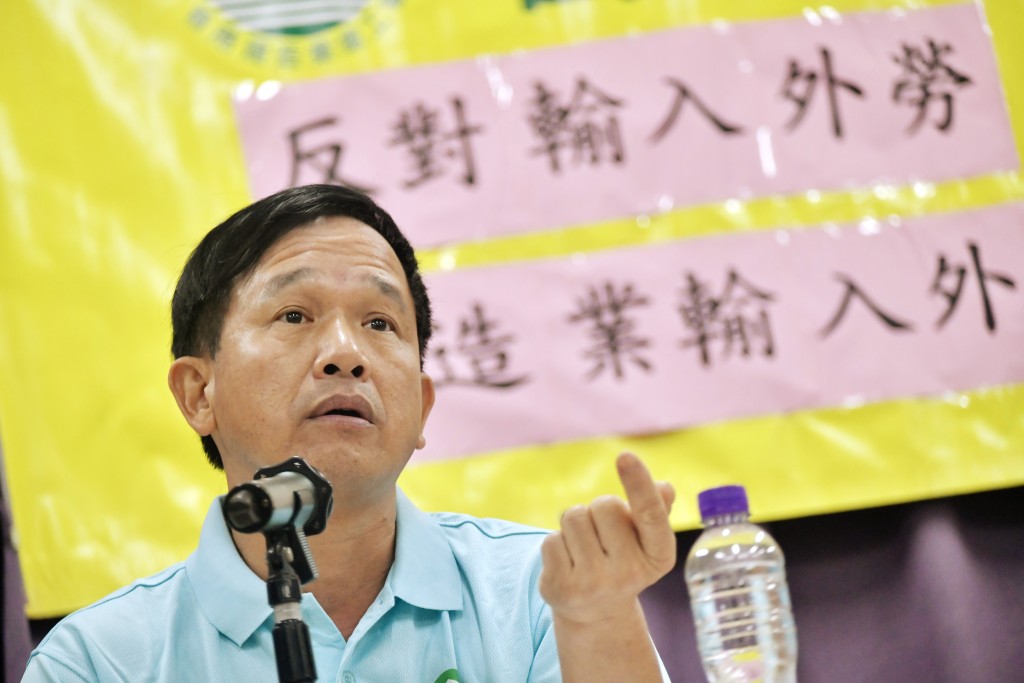
Ho said temperatures recorded by the Hong Kong Observatory in urban areas could differ significantly from the conditions workers face on construction sites.
Workers tying rebar on sun-baked metal structures, for example, can be exposed to temperatures exceeding 50 degrees Celsius in poorly ventilated surroundings, he said.
Ho argued that the current warning system did not adequately reflect actual conditions on construction sites and relied too heavily on general temperature readings.
He also raised concerns over the enforcement of heatstroke prevention guidelines.
“These are only guidelines and no one is going to jail,” he said, adding that some site safety officers or supervisors merely send WhatsApp notifications to “tick the box.”
Ho said the guidelines offered little deterrent effect and that some managers did not actively check on front-line workers or ensure adequate shaded rest areas were available on crowded construction sites.
He added that pressure to meet tight deadlines could lead some employers to overlook whether workers had taken sufficient rest, leaving their health and safety inadequately protected in the absence of mandatory requirements.
Meanwhile, Zoe, a cleaner at a housing estate in Wan Chai, told the same program that one of the biggest challenges was not a lack of supplies but the unsympathetic attitudes of some passers-by.
Without fixed rest periods, workers often seek shade or sit on stairs when they feel unwell from the heat, only to be mistaken for shirking their duties, she said.
Zoe described the judgmental looks they receive as “cold violence,” saying they can leave workers too embarrassed to rest and push them to return to work before they have fully recovered.
She called on the public to show greater understanding toward outdoor workers, particularly during periods of extreme heat.