Read More


Survey reveals 30pc HK carers work 17 hours daily
11-05-2025 19:28 HKT

Night Recap - September 25, 2026
12 hours ago





UK denies BN(O) visas to Hongkongers with protest convictions: report
23-09-2026 18:59 HKT


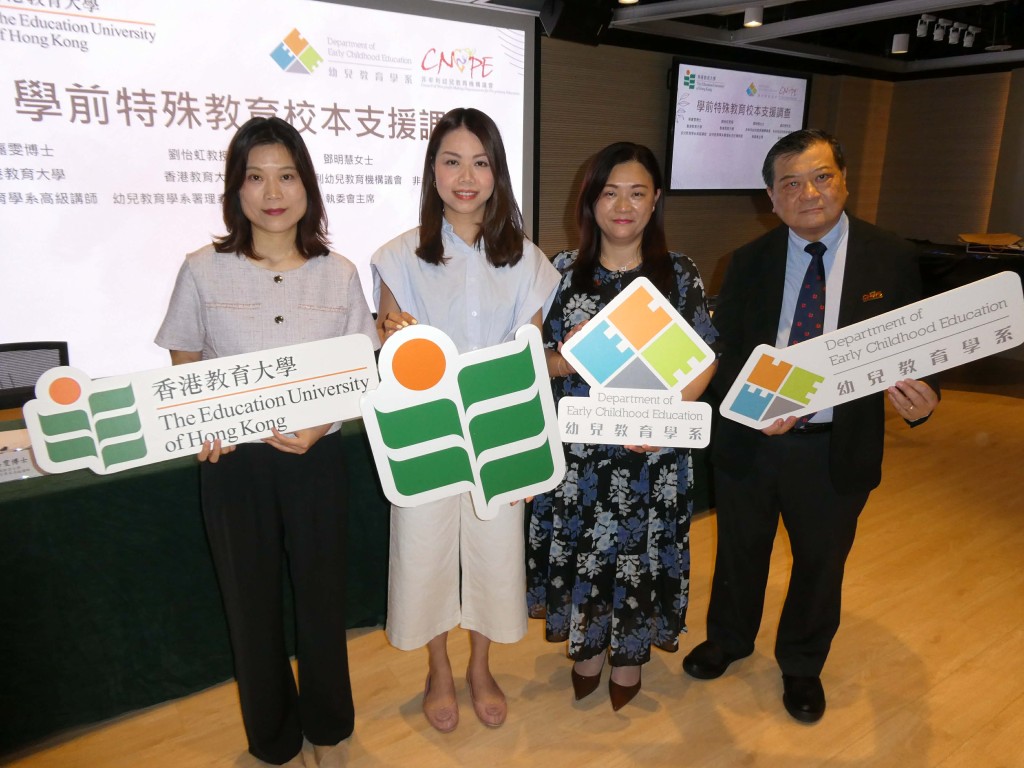
Nearly 90 percent of kindergarten teachers are concerned that resources for inclusive education are insufficient to support children with special educational needs in mainstream settings, according to a survey by the Education University of Hong Kong.
The university and the Council of Nonprofit Organisations for Pre-primary Education surveyed 459 teaching staff in March, along with 27 staff members from nine kindergartens participating in the School-based Model of Pre-school Rehabilitation Services.
More than 85 percent of teachers said existing teacher-to-student ratios were inadequate for the effective implementation of inclusive education. They cited heavier workloads, difficulties in dividing their attention among children and a shortage of support staff as major sources of pressure.
Only about 32 percent of surveyed principals agreed that existing policies and funding mechanisms provided clear and effective support for inclusive education.
The school-based rehabilitation model, which is being introduced in phases on a trial basis, assigns designated special child care workers at a ratio of one staff member to six children to provide individual and group training.
An interdisciplinary team also provides tailored support according to each child’s needs, with the aim of ensuring timely and appropriate assistance.
When assessing existing initiatives, including the Integrated Programme in Kindergarten-cum-Child Care Centre and On-site Pre-school Rehabilitation Services, only 43 percent of teaching staff said they were satisfied with the frequency and duration of services provided.
While acknowledging an increase in the number of pre-school rehabilitation service places, the research team said teachers still needed greater support in adapting classroom activities and planning inclusive learning.
The team urged the government to review staffing arrangements as it expands school-based support models, warning against placing additional burdens on teachers.
Researchers also recommended establishing a permanent Special Educational Needs Coordinator post in kindergartens, similar to those in primary and secondary schools, to better coordinate resources and professional expertise.