
Read More
In stark contrast to the high-stakes, investor-driven world of trading cards, another favorite childhood toy is making a major nostalgic comeback in Hong Kong, sparking an unexpected grassroots craze.
ADVERTISEMENT
SCROLL TO CONTINUE WITH CONTENT
The classic 1990s spinning-top toy, Beyblade, has sent toy store sales soaring and is actively revitalizing empty commercial spaces across the city.
The current phenomenon traces its roots to a viral post by a Taiwanese web user on the social media platform Threads.
After sharing a humorous story about being mocked by children for his poor Beyblade skills, the user detailed his quest to consult online experts and purchase powerful new tops for redemption.
The story struck a massive chord with adults, prompting many in Hong Kong to jokingly declare their intent to join the mission to "beat the kids" at the game.
This enthusiasm quickly evolved into a tangible community movement.
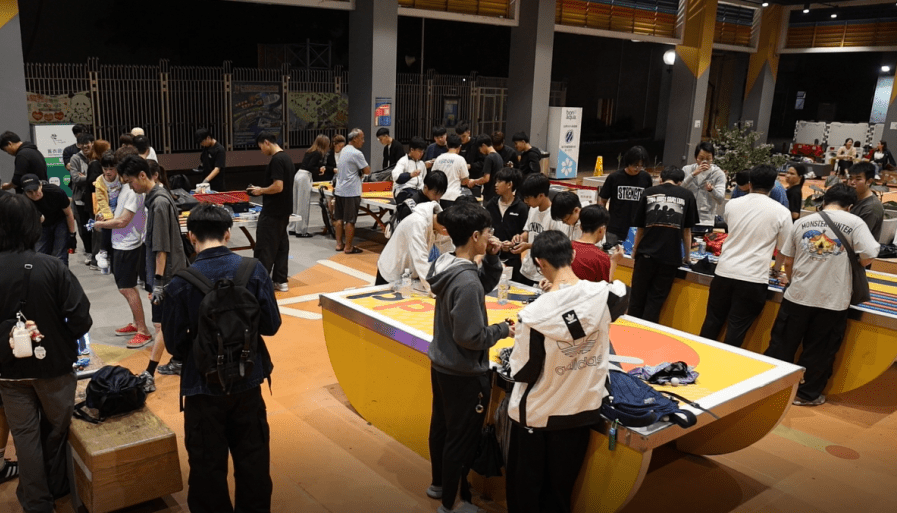
Large groups of spinning-top enthusiasts are now gathering late into the night at public spaces like Tuen Mun Pier and the Kwun Tong Promenade.
Even more remarkably, dedicated fans have spontaneously rented out vacant stalls in struggling traditional wet markets across Tseung Kwan O, Wong Tai Sin, and Fanling.
Transforming these empty spaces into bustling, free-to-use community "dojos" equipped with custom battle arenas, players have created vibrant hubs that observers compare to the lively atmosphere of Taiwanese night markets.
Some commentators have playfully dubbed the trend the "Beyblade economy," suggesting grassroots toy communities could help revive declining retail spots.
While veteran players like Ah Sun praise the movement for its low barrier to entry and community-organized meetups, seasoned players remain divided on its longevity.
Some predict the craze will fade within months, but others remain hopeful.
As veteran competitor Philo noted: "More players ultimately lead to more fun. However, without sustained community support and ongoing participation, any toy trend will eventually fade away."