






Read More


Foreign schemes use free travel to recruit elites to disrupt Hong Kong
29-07-2026 15:00 HKT

Leslie Cheung 70th birthday exhibition brings the legend back to fans
03-09-2026 19:26 HKT


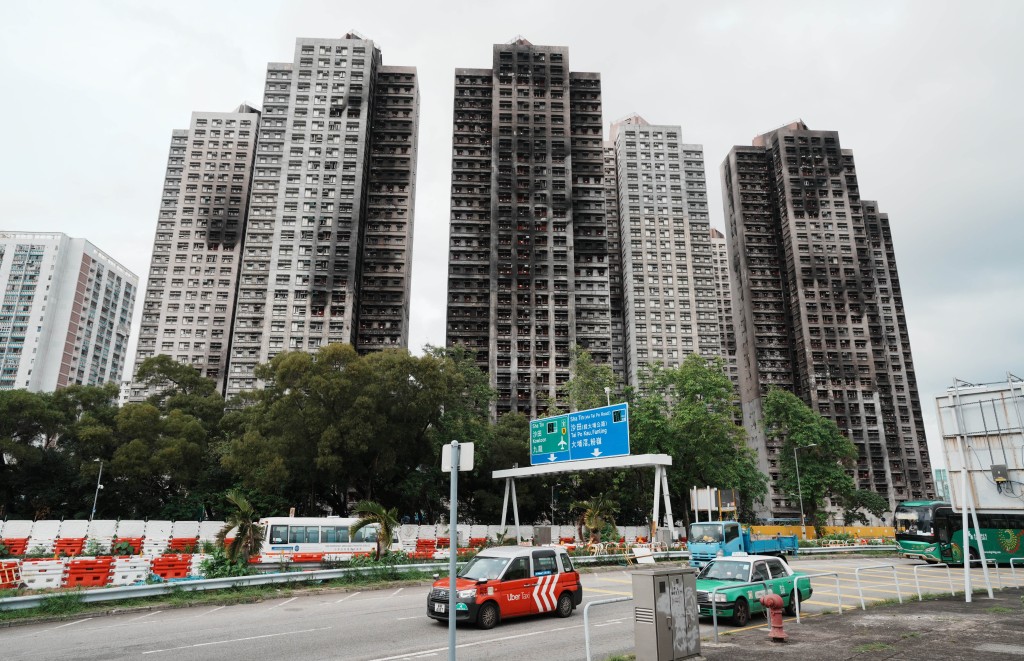
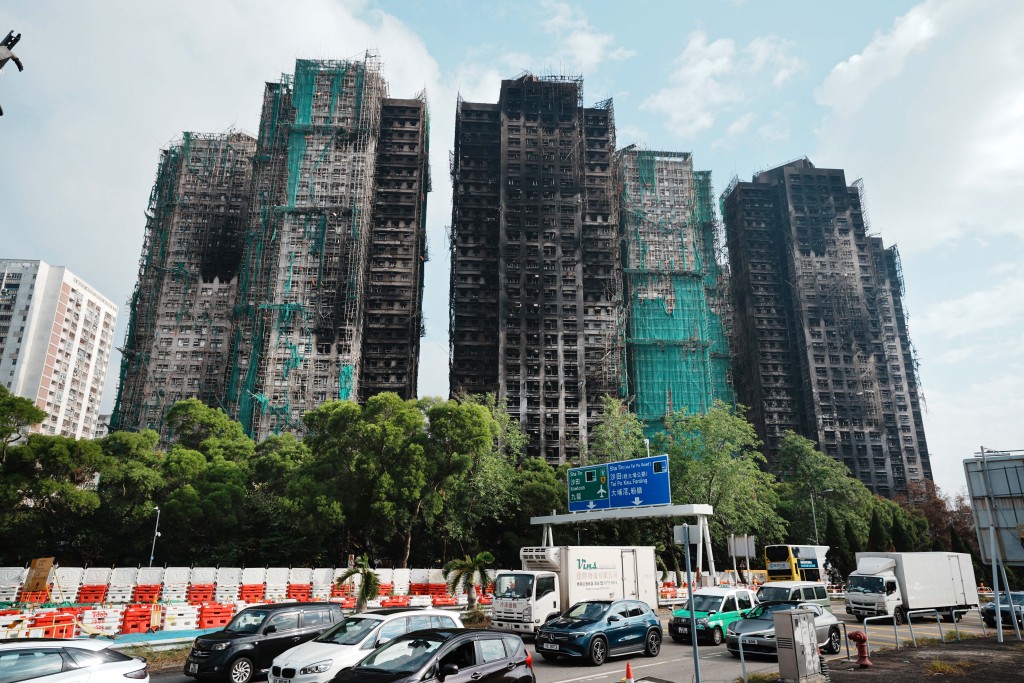
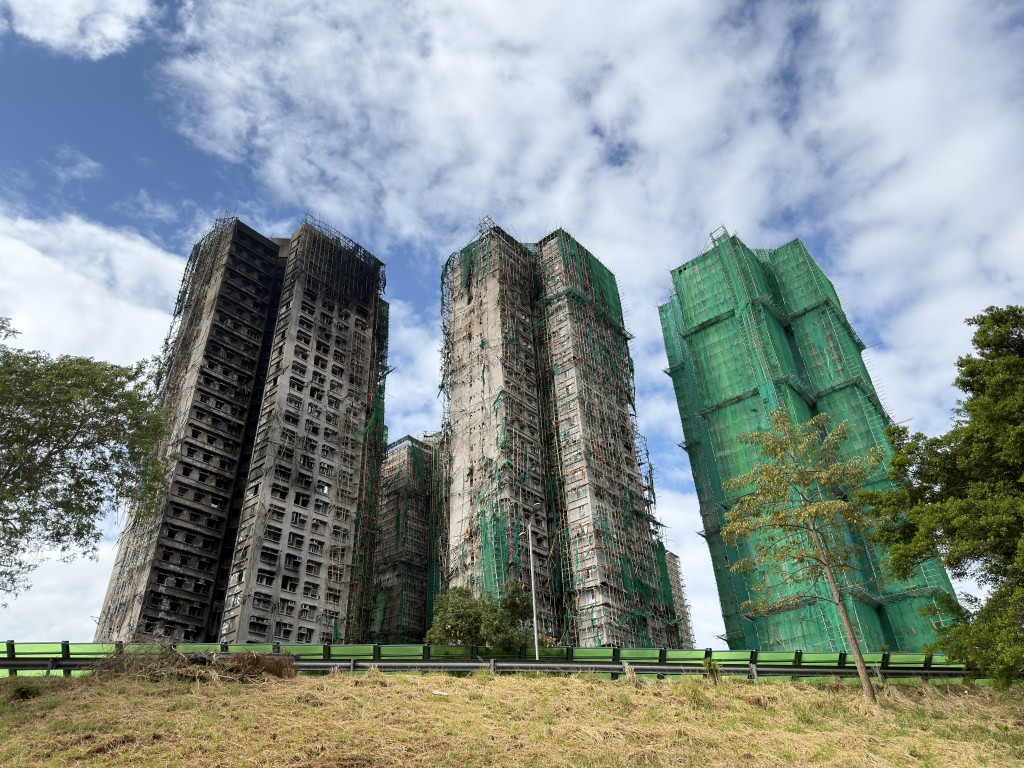
The independent commission of inquiry into the Tai Po Wang Fuk Court fire completed its final round of hearings last week, listening to the closing submissions of all involved parties.
A synthesis of the submissions from various parties reveals multiple failures across the main contractor, engineering consultant, fire service contractors, and property management.
This disaster was not a single instance of negligence, but rather the result of illegal acts committed by multiple stakeholders. The commission will submit its final report and provide recommendations for improvement.
The government representative frankly admitted that the current regulatory framework has systemic "regulatory weaknesses" and that a series of improvement measures have already been implemented.
The Competition Commission (Competition Commission) has advocated for legislative amendments to criminalize serious anti-competitive conduct, subjecting offenders to imprisonment and breaking the unhealthy, persistent culture of bid-rigging.
Recently, some netizens posted on social media falsely claiming that the company established by the government to acquire Wang Fuk Court is a "shell company," and deliberately misinterpreting the "full compensation" clause in the contract as an "indentured labor contract" (or "indentured bond").
The government has solemnly refuted these rumors spread by individuals with ulterior motives.
Figures from political circles expressed that as the final report on the fire is about to be released, there are once again people attempting to bewilder the public with malicious remarks and urged citizens not to be misled.
The closing submission by the barrister representing the commission also pointed out that the Wang Fuk Court fire was a "preventable tragedy that was not prevented," and that the main renovation contractor Prestige Construction & Engineering Co. Limited (Prestige) and engineering consultant Will Power Architects Company Limited (Will Power) must bear primary responsibility. Prestige, the main contractor for the grand maintenance, and Will Power, the engineering consultant, disregarded human lives in order to cut costs.
Following a typhoon, Prestige deliberately purchased cheap scaffolding nets that lacked flame-retardant properties and urgently acquired a small amount of fireproof nets just as a "facade" to deceive regulatory authorities right before inspections by the Independent Checking Unit (ICU).
Prestige lied to the authorities, claiming that the expanded polystyrene (EPS) foam boards were only for "temporary use," but in reality, they used them to seal residents' windows for over a year.
To make it convenient for workers to enter and exit, Prestige cut open unauthorized openings ("sang hau") in the smoke lobby stairwells, causing thick smoke to rapidly engulf the escape routes. The engineering consultant, Will Power, failed to perform its supervisory duties and approved the use of EPS foam boards despite knowing the fire risks involved.
The commission’s submission pointed out that on the day of the fire, the alarm and fire hydrant systems were completely out of service, causing residents to lose precious time to escape.
Leung Ping-kay, the representative of fire service contractor China Status Development and Engineering Company Limited, admitted that they had never dispatched personnel for on-site inspections.
Another fire service contractor, Wang Tai Fire Engineering Co. Limited, had already discovered one week prior to the fire that the main electrical switch was turned off and the alarm system was malfunctioning.
However, holding a cold and indifferent attitude of "not interfering if it is not our own project," they failed to turn the fire safety system back on, leaving the building completely defenseless.
The property management company, ISS, also confined its response to making written records of workers smoking illegally and cutting unauthorized openings without taking any substantive actions to stop them and is likewise undeniably responsible.
The representative of the Competition Commission also pointed out that bid-rigging (collusive bidding) has long existed widely in the building maintenance market and even involves the infiltration of triad societies.
Illegal syndicates use violence to force competitors to withdraw, utilize "shadow bidding" (setting up multiple shell companies to bid against one another) to manufacture an illusion of competition, and even engage in price-fixing and market sharing.
The Competition Commission advocates amending the law to criminalize serious anti-competitive conduct, making the implicated individuals face imprisonment.
At the same time, the government representative frankly admitted that the current regulatory framework has systemic "regulatory weaknesses."
To this end, the government has launched improvement measures.
Regarding fire service systems, the SDN (Shutdown Notice) has been changed from a past "notification" system to a "prior approval mechanism," with a strict maximum limit of 60 days enforced; it also mandates the electronic submission of FS251 forms to eliminate time lags.
Concerning material supervision, the Buildings Department has implemented a regulation requiring scaffolding nets to undergo on-site sample testing before being mounted, and explicitly prohibits the large-scale use of combustible materials such as expanded polystyrene foam on external walls and windows.
To break the bid-rigging ecosystem, the Home and Youth Affairs Bureau is pushing forward amendments to the Building Management Ordinance to establish a cap on proxy votes and publicize the list of signatories; to mandate consultants and contractors to declare conflicts of interest, where false declarations will constitute a criminal offense; and to empower the Secretary to designate officers to convene owners' meetings.
The Urban Renewal Authority is developing an enhanced version of "Smart Tender 2.0," which features bid openings supervised by official entities.
The government representative promised to actively implement the recommendations upon receiving the final report.
Recently, some netizens have spread rumors claiming that the Wang Fuk Court Property Rights Acquisition Limited established by the government is a "shell company" that could "go bankrupt at any time."
The Housing Bureau immediately issued a solemn clarification, emphasizing that the company is an official organization fully owned by the Financial Secretary, backed by government support and supervision, and that there is absolutely no risk of insufficient funding.
The total acquisition budget is approximately HK$7.8 billion. Apart from about HK$2.8 billion from the Support Fund for Wang Fuk Court in Tai Po, the Budget has earmarked HK$4 billion of public funds, and the remaining cost of approximately HK$1 billion has also received additional funding approval from the Finance Committee.
Figures from political circles pointed out that from the beginning of the Wang Fuk Court fire until now, individuals with ulterior motives have continuously used various rumors and fake news in an attempt to create panic and instigate the public, using methods identical to those of the "black violence" (2019 social unrest). "All sectors of society must not only remain rational and avoid being bewildered but should also concentrate resources to contribute to helping Wang Fuk residents return to normalcy.
Just like the owners' meeting held by Hop On on July 19th, which discussed various topics (including insurance, Wang Chi House, maintenance, and management fees, etc.), many residents who attended expressed satisfaction with the arrangements of the meeting, which responded to residents in a detailed and clear manner."