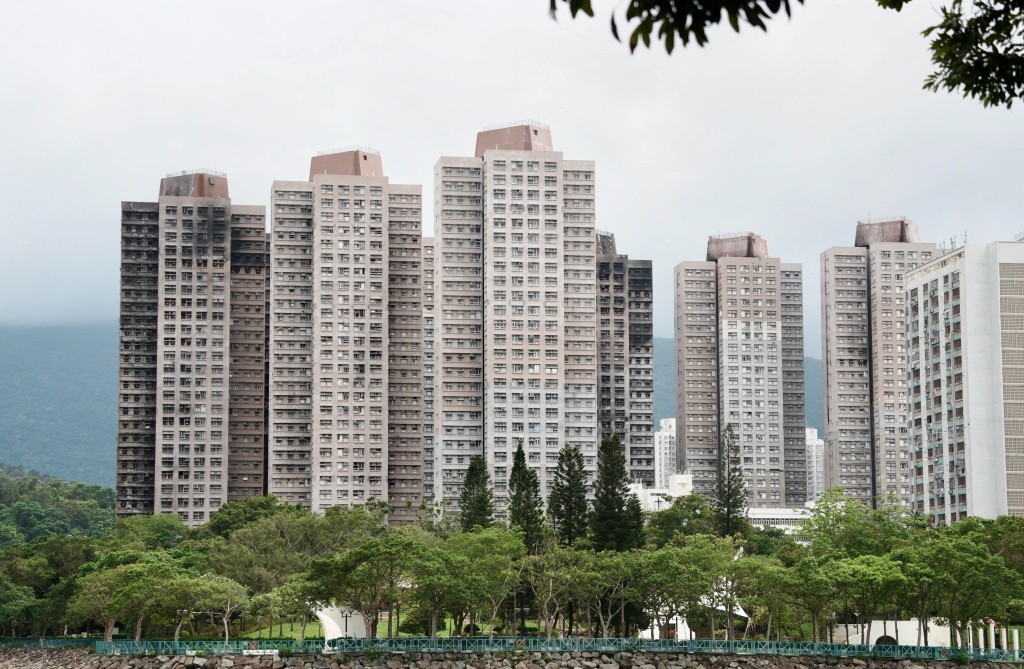
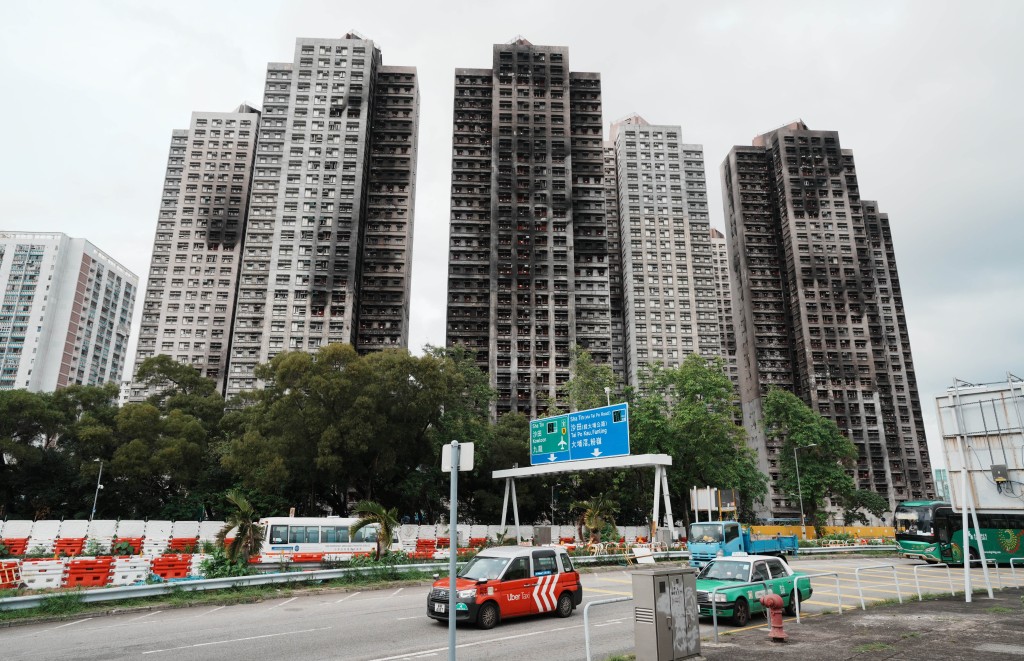
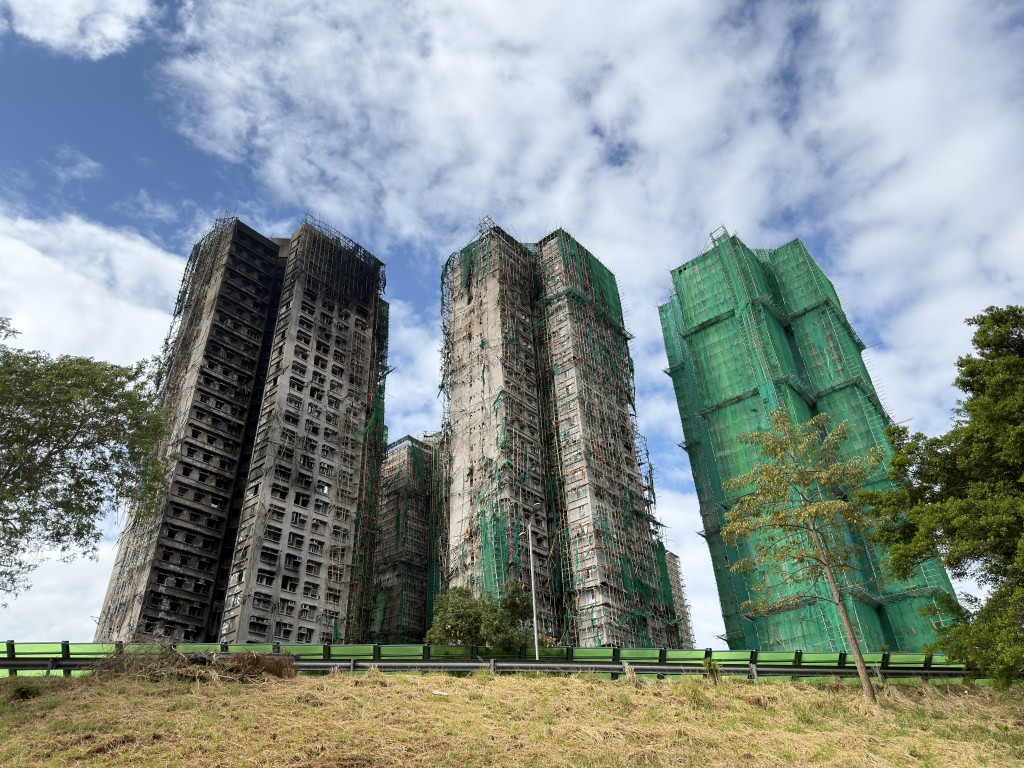
A significant majority of homeowners in Wang Chi House, the only building spared from a catastrophic fire at Tai Po’s Wang Fuk Court, have officially moved to accept a government buyout.
By surpassing the required support threshold, the community has avoided a future of financial isolation and management complications, steering clear of a controversial push for in-situ reconstruction that many feared would stall their path to recovery.
The future of Wang Chi House has been secured following the government’s decision to extend an acquisition offer originally intended for the seven fire-damaged blocks of the estate.
While the initial HK$6.8 billion plan excluded the untouched building, residents expressed deep anxiety over the prospect of managing a single, isolated block amidst a disaster zone.
In response, authorities set a deadline of June 30 to reach a 75 percent agreement threshold for a buyout.
That target has now been met, with approximately 77 percent of owners giving their preliminary consent to the HK$1 billion expansion of the acquisition plan.
This consensus comes despite earlier attempts by a small group of individuals to demand the reconstruction of the entire estate on its original site.
Informed sources revealed that certain parties, including former owners' corporation member Jason Kong, had previously launched a petition claiming to represent over 500 households.
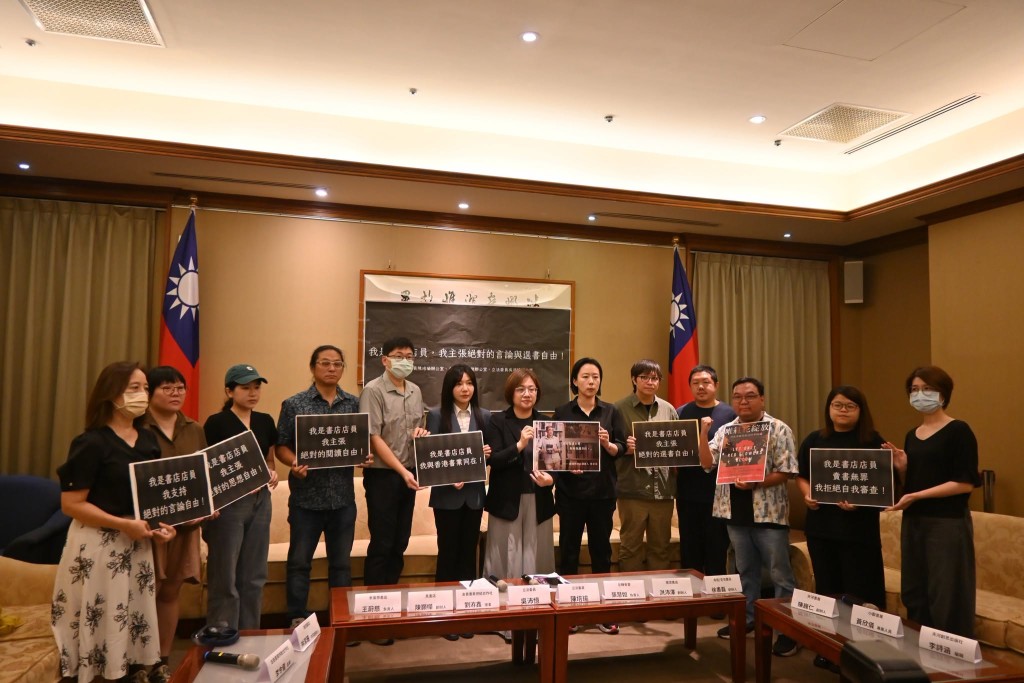
The petition demanded that the government prioritize "in-situ reconstruction" and presented a list of nine specific requirements. However, the move was quickly discredited after residents filed public complaints regarding the petition’s lack of a verification process.
It was discovered that anyone could sign multiple times, leading even the organizers to admit the lack of a formal ID check, which severely undermined the petition's credibility.
Observers suggested that some individuals might have been using the reconstruction demand as a tactical bargaining chip to pressure the government for higher compensation rather than out of a genuine belief in the plan’s feasibility.
Such a strategy carried the risk of delaying the entire buyout indefinitely, potentially sacrificing the interests of the majority who wished to leave the site of the tragedy.
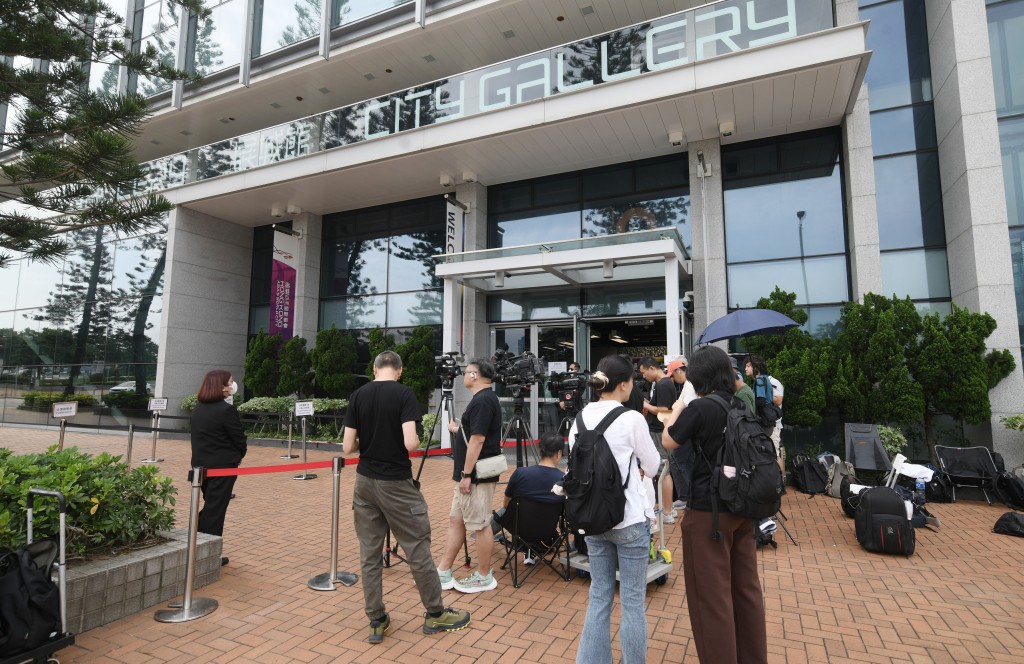
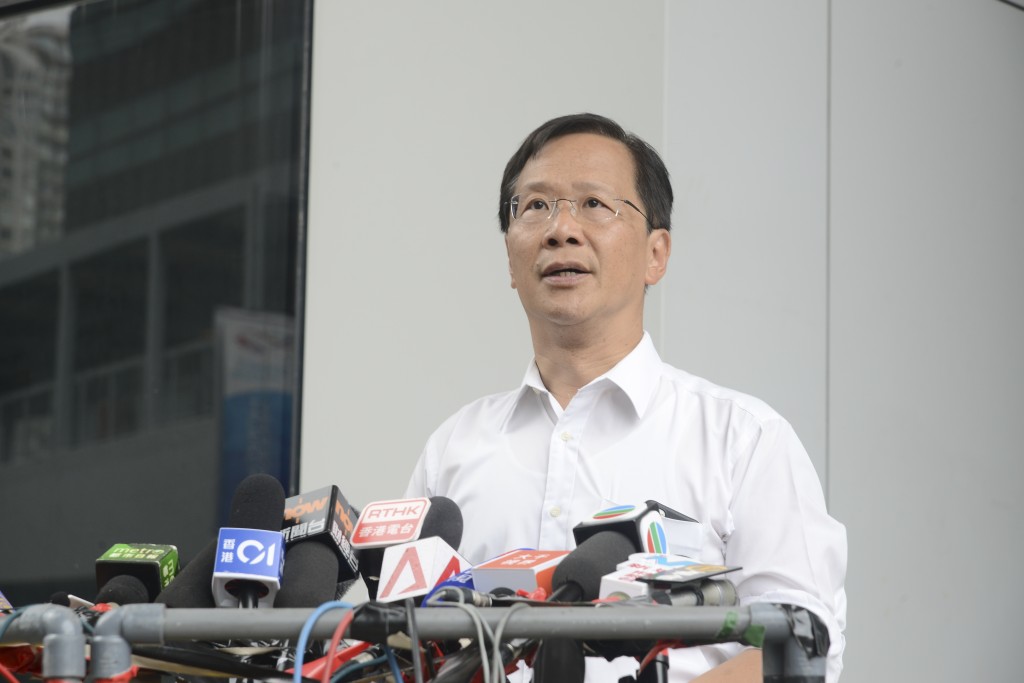
Legislative Councillor Bill Tang Ka-piu, who has been assisting the residents, noted that most homeowners he encountered simply desired a fair, long-term settlement that treated them equally to those in the damaged blocks.
The decision to join the buyout is also seen as a vital move to protect the residents' financial interests.
Real estate experts warned that although Wang Chi House was not physically burned, its location within a major disaster site would inevitably lead to it being stigmatized. In the local property market, such buildings can be treated similarly to "haunted houses," with values potentially plummeting by at least 30 percent compared to market rates.
Without the government’s intervention, owners faced a "no-price, no-market" situation where finding private buyers would have been nearly impossible.
Beyond the loss of property value, property management professionals highlighted the logistical nightmare of remaining as a "standalone island."
The estate’s essential infrastructure—including water pumps, electrical transformers, and fire safety systems—was originally designed to be shared across multiple buildings.
If Wang Chi House had opted out, the remaining owners would have been forced to shoulder the massive costs of reconfiguring and maintaining these systems alone. Furthermore, the per-household cost for security, cleaning, and general management would have spiked dramatically.
District Councillor Lo Hiu-fung noted that the government’s comprehensive buyout plan successfully addresses these practical fears, allowing the community to finally look toward a fresh start.