The Food and Environmental Hygiene Department (FEHD) has been incorporating a national security clause into all new and renewed food premises licenses since May of last year, a move intended to curb what authorities describe as "chaotic Hong Kong eateries" and "soft resistance" activities.
The clause stipulates that licensees and their associated parties must not commit or be involved in any act that could endanger national security. Violators risk having their licenses revoked. The move is seen by the government as a necessary action to strengthen the food and beverage industry's awareness of its role in upholding national security.
Background and rationale
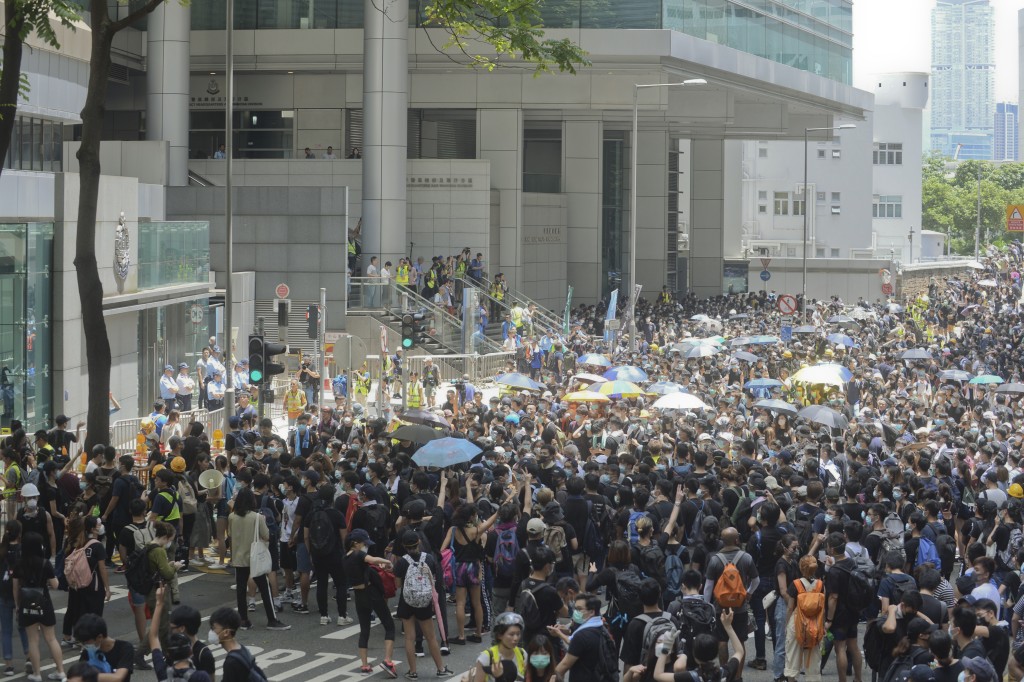
According to industry sources cited in the original report, after the 2019 protests, some establishments used an anti-government ideology as a marketing strategy to attract customers.
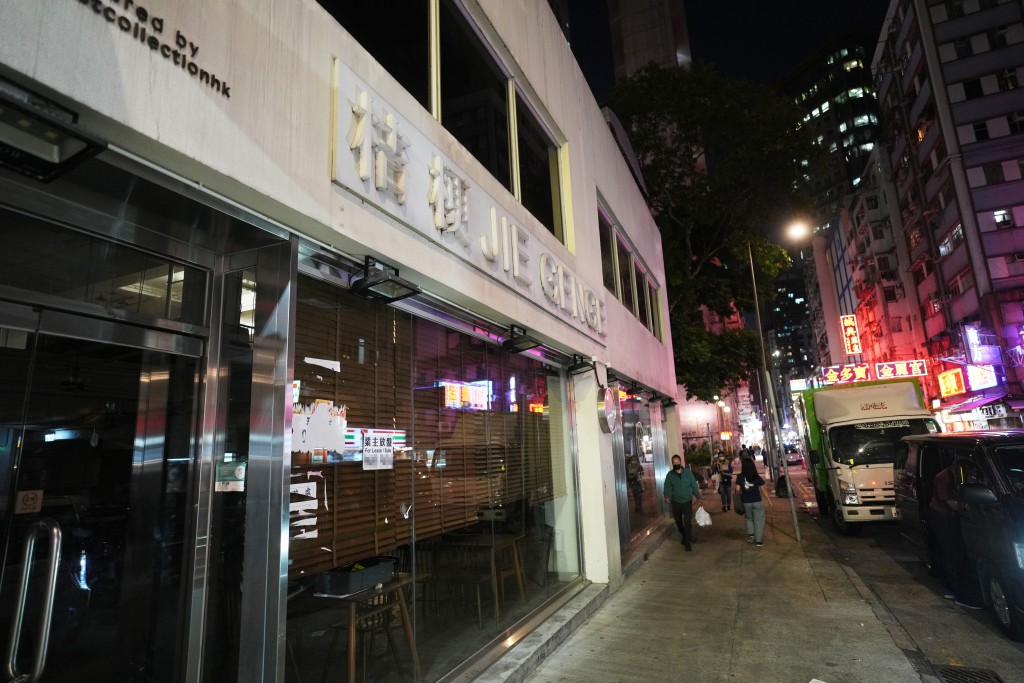
The report asserts that most of these businesses have since closed, alleging that the public has recognized the "profiteering and hypocrisy" behind their political stance and that these eateries often suffered from poor food quality, service, and hygiene standards.
An industry insider emphasized that since restaurants are public spaces frequented by most citizens, the food and beverage sector plays a significant role in maintaining social order and national security.
They view the government's implementation of national security requirements through license management as a necessary measure.
The FEHD stated that the clause, which also applies to licenses for karaoke venues and commercial bathhouses, aims to prevent and stop acts detrimental to national security and will not affect law-abiding licensees.
The department's action is based on Article 3 of the Hong Kong National Security Law, which mandates that all government bodies must effectively prevent, stop, and punish activities that endanger national security.
Decline of politically marketed eateries
An industry representative further detailed how some politically themed restaurants displayed anti-government materials and their staff openly espoused protest-related rhetoric to attract like-minded patrons.
While they initially gained support from citizens disaffected with the government, their appeal has reportedly waned.
The representative claimed that these establishments ultimately failed due to poor quality and that many damaged the industry's reputation by closing down while owing money to suppliers, landlords, and even their own staff.
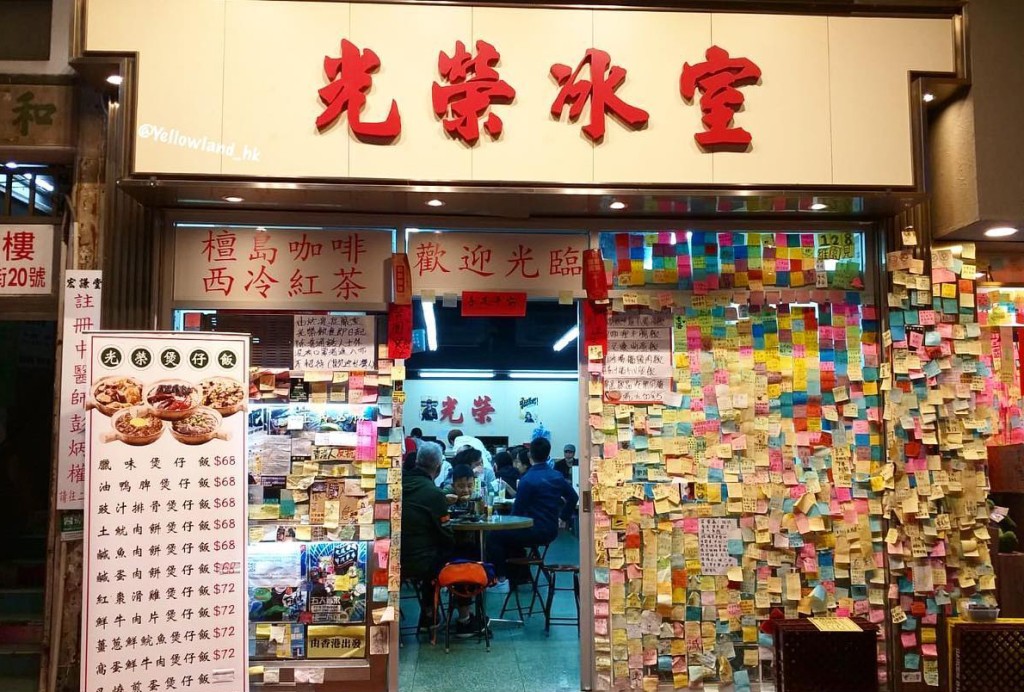
The report also pointed to dissatisfaction from within the so-called "Yellow Economic Circle" itself, citing examples like "Yau Lei Bistro" and "Kwong Wing Catering." These restaurants were accused of using their political stance to "emotionally blackmail" supporters into patronizing them.
Despite promoting slogans like "only hiring like-minded people" and "not serving mainland customers," they were criticized for allegedly defaulting on wages owed to their pro-protest staff and for the poor quality of their food, leading to sarcastic online comments.
The owner of Yau Lei Bistro is said to have fled to Taiwan after the business collapsed, leaving behind unpaid rent, wages, and supplier debts.
A move to 'purify' the business environment
The industry source concluded that as public awareness of national security has increased, using anti-government sentiment as a business model is no longer viable.
They believe the new license clause will help "purify the business environment," allowing the industry to return to its core focus: attracting customers through food quality, culinary innovation, comfortable environments, and excellent service.
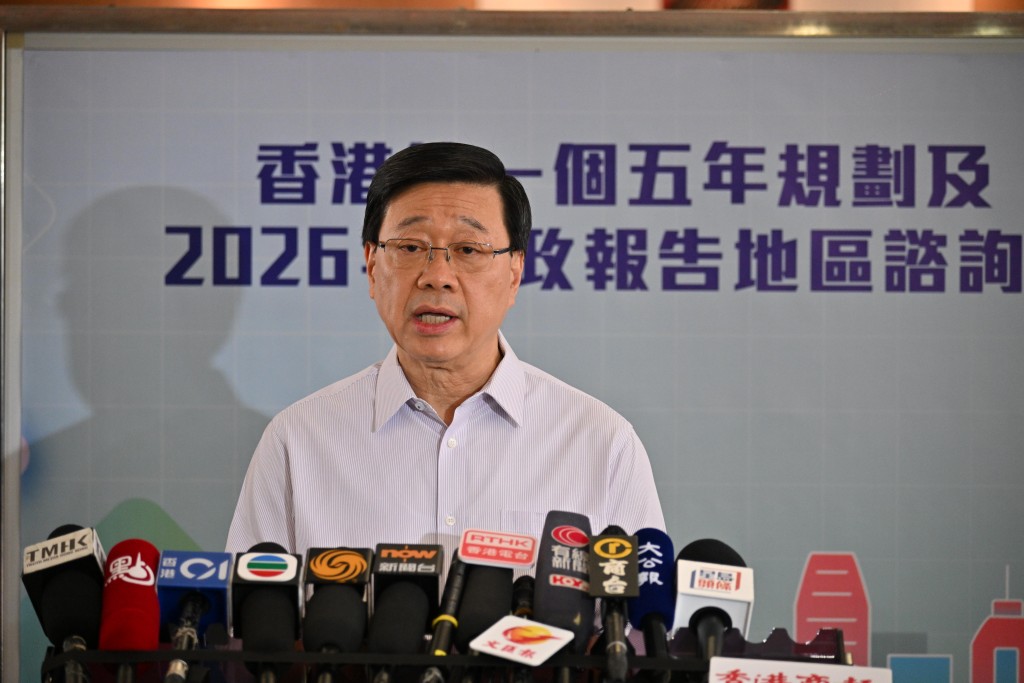
Secretary for Environment and Ecology, Tse Chin-wan, previously stated that he expects all food premises licenses in Hong Kong to be fully covered by the national security clause by September of this year. He noted that so far, no violations have been found.
Authorities maintain that the clause only targets a very small minority of individuals with ulterior motives and does not affect the operating rights of law-abiding business owners.
Leaders of industry groups, including the Hong Kong Federation of Restaurants & Related Trades and the Association for Hong Kong Catering Services Management Limited, have also expressed the view that the clause will not impact legitimate businesses, as the National Security Law is well-established and its requirements are clear to the public.