Read More

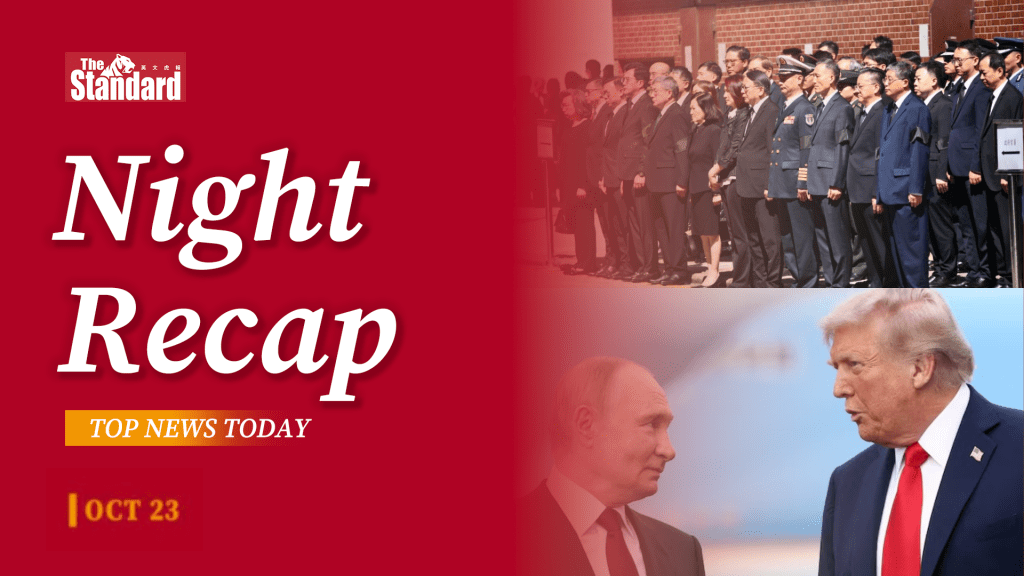
Night Recap - October 23, 2026
16 hours ago


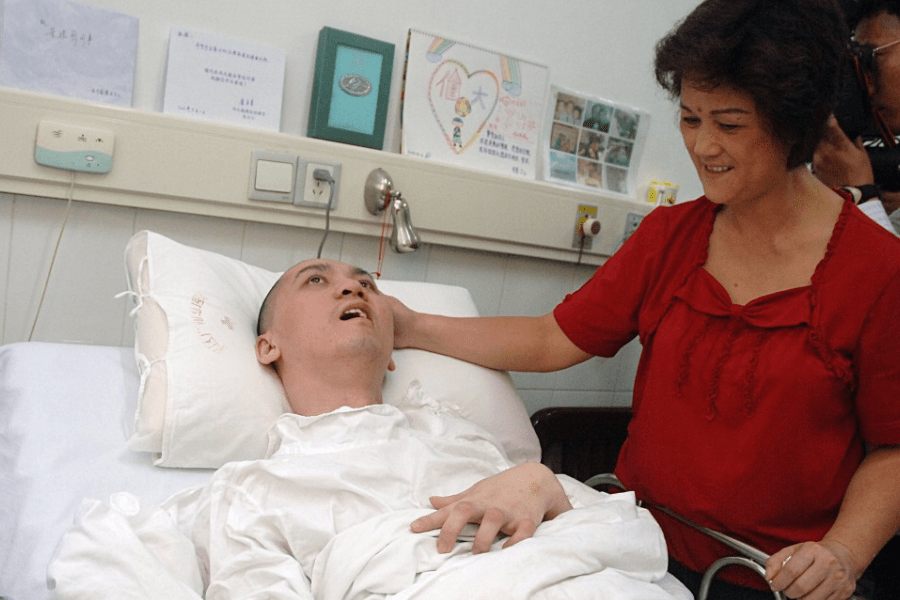
Late police constable Chu Chun-kwok to receive full honors funeral on Fri
22-10-2026 15:33 HKT
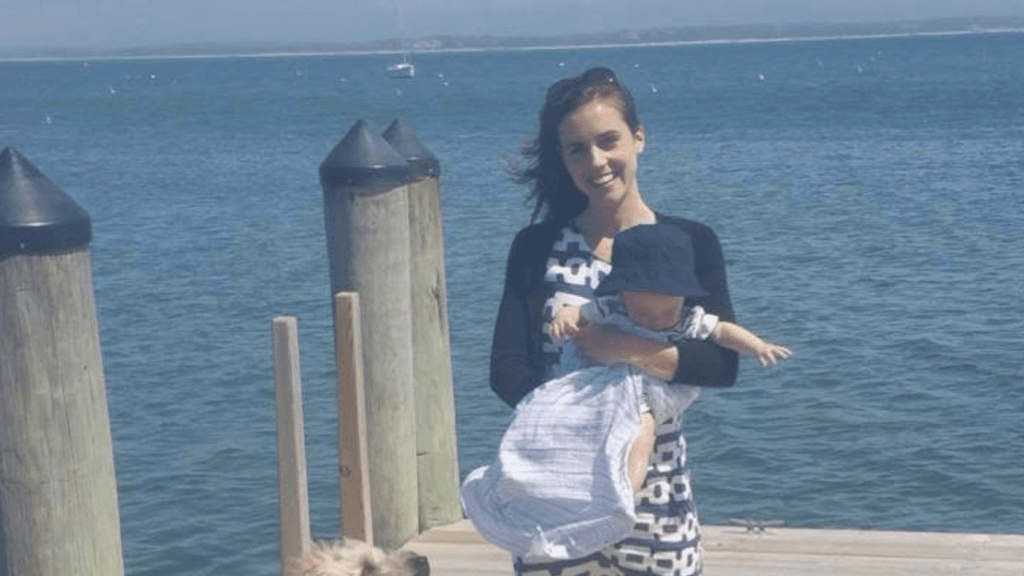
Kyle Kennedy, granddaughter of Robert F. Kennedy, dies at 42
22-10-2026 04:11 HKT


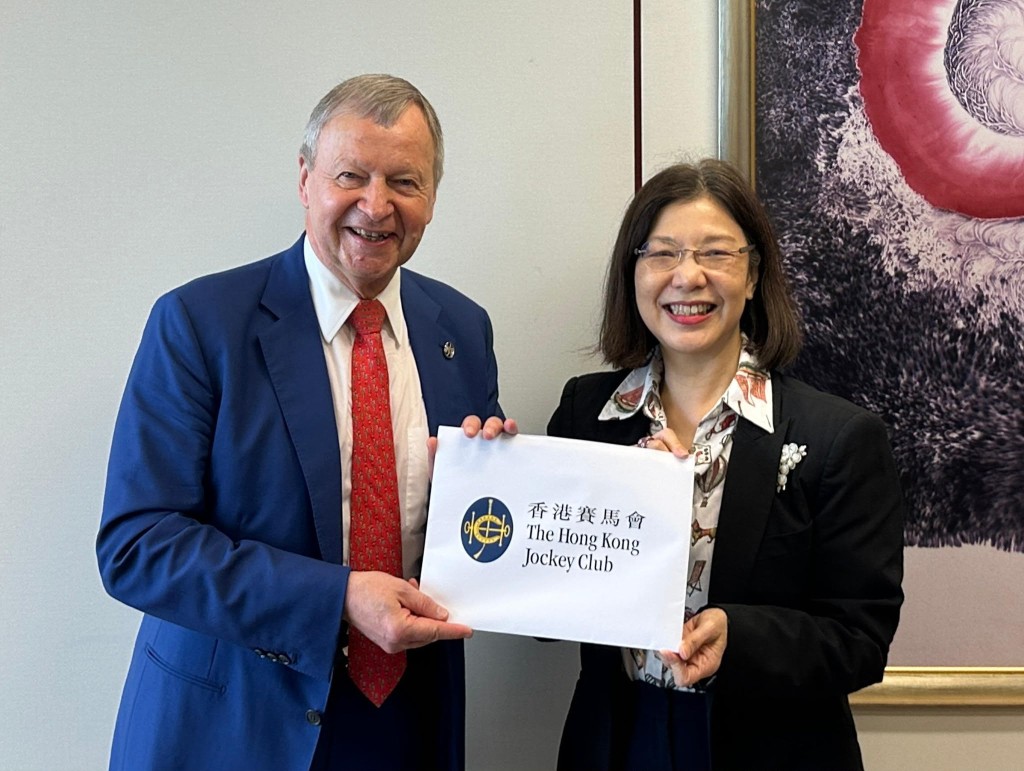
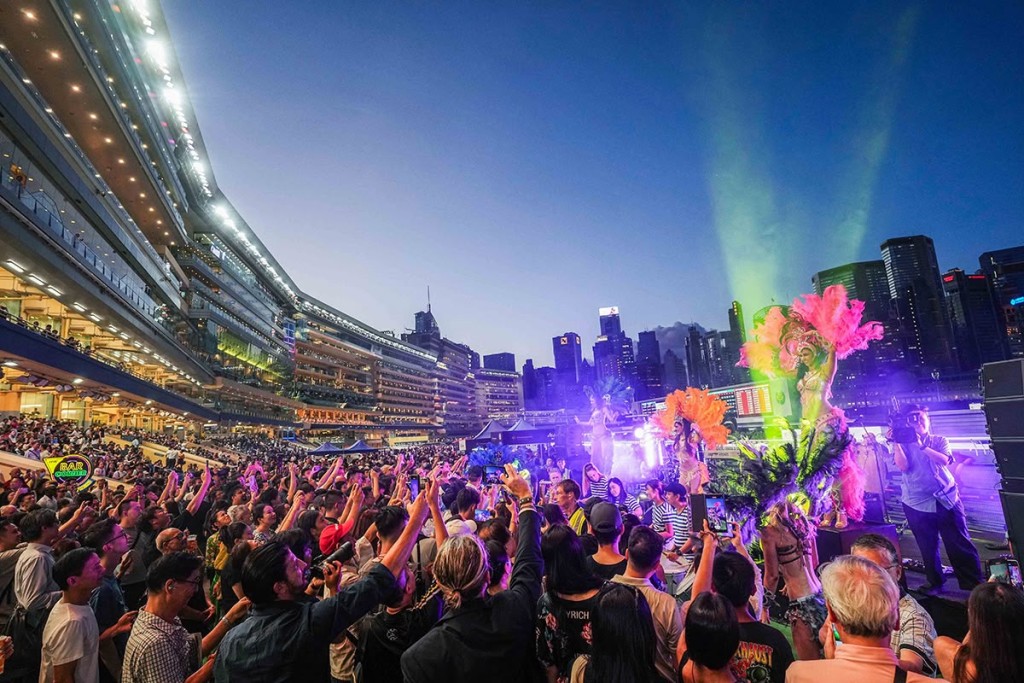
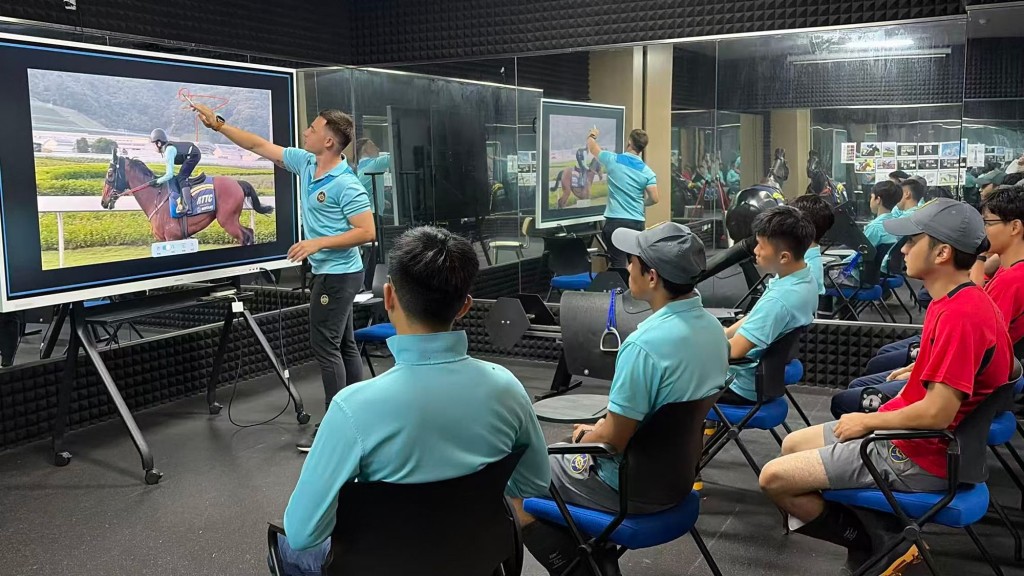
The Hong Kong Jockey Club has officially submitted a comprehensive set of recommendations for the city's inaugural Five-Year Plan covering 2026 to 2030.
Aimed at deepening Hong Kong's integration into broader national development strategies, the proposals leverage the Club's extensive expertise to build a world-class equine industry, stimulate the sports economy, and transform the city into Asia's premier philanthropic hub.
Winfried Engelbrecht-Bresges, Chief Executive Officer of The Hong Kong Jockey Club, expressed strong support for the government's initiative to formulate a local blueprint under the framework of the National 15th Five-Year Plan, viewing it as a vital opportunity to align the city's unique strengths with the country's high-quality development goals. A primary focus of the submission is to elevate the Greater Bay Area into a leading international equine hub.
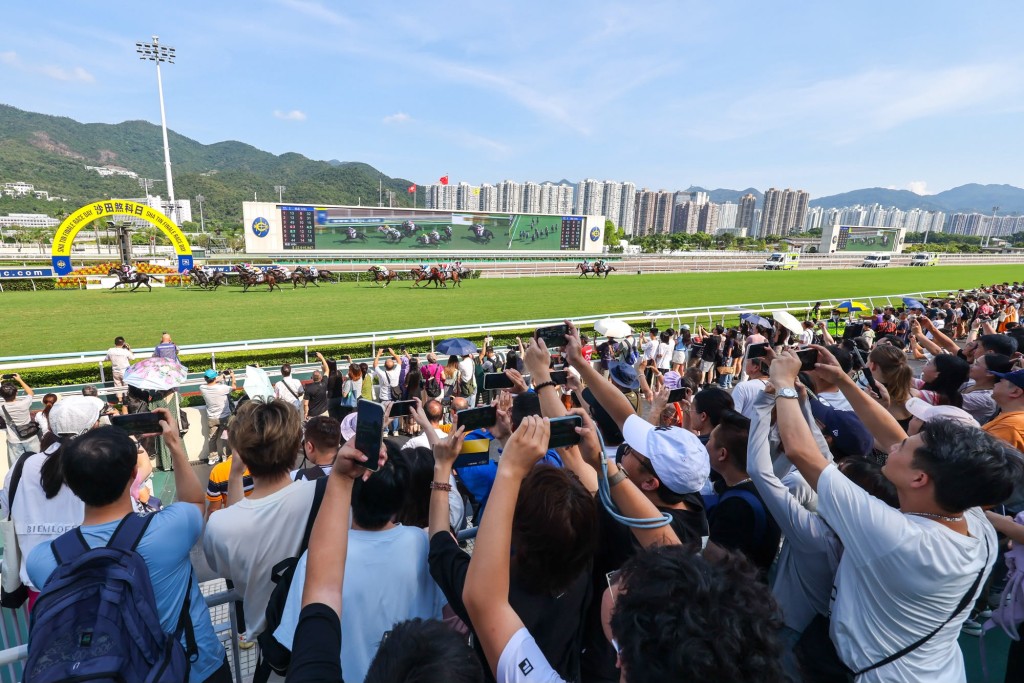
The Club envisions a seamless multi-destination racing tourism circuit that links its world-class facilities in Sha Tin and Happy Valley with the Conghua Racecourse in Guangzhou.
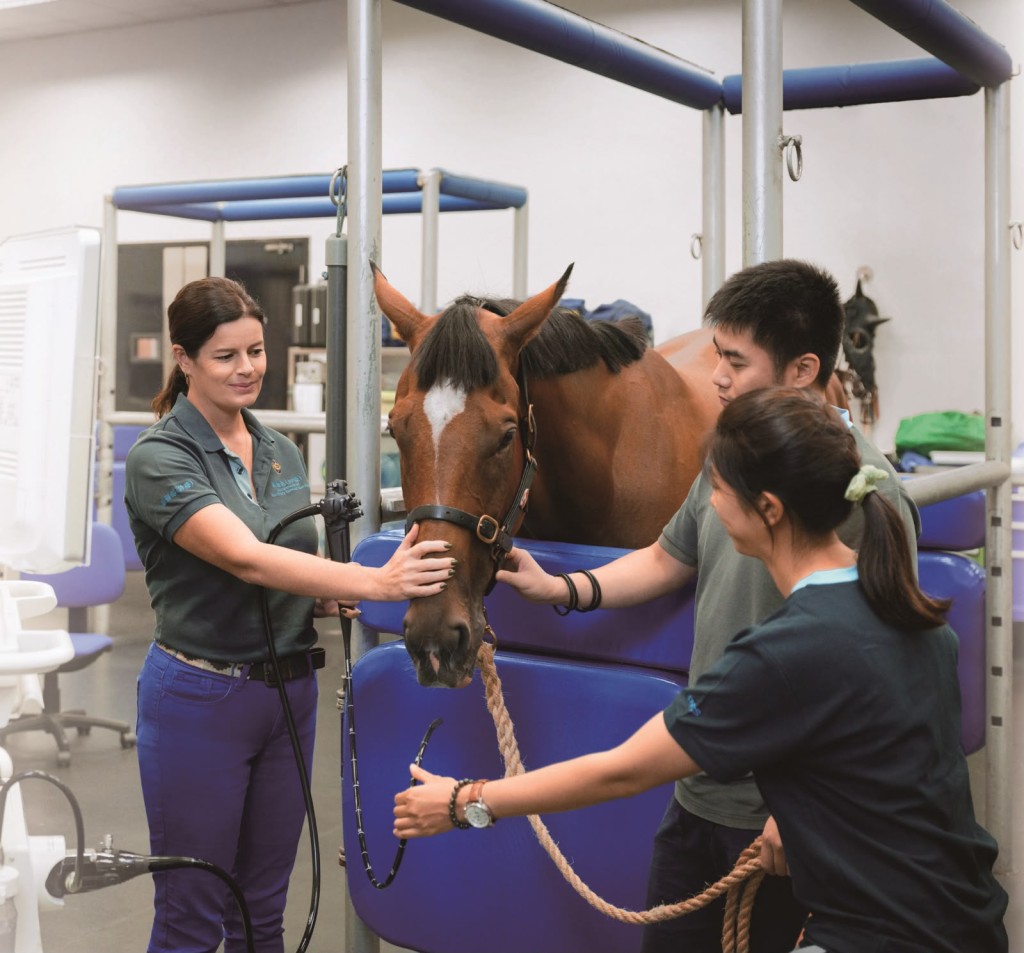
To further solidify this ecosystem, the proposals suggest expanding Hong Kong's successful disease-free zone management and biosecurity protocols to other regions in the mainland, such as Xinjiang.
Under this equine hub framework, the Club also advocates for establishing a World Organisation for Animal Health collaboration center in Hong Kong and advancing institutional connectivity by expanding the mutual recognition of veterinary qualifications across the border.
Additionally, it aims to enhance practical veterinary training by exploring the establishment of a clinical training center in Shenzhen and Dongguan in partnership with local universities.
Aligning with the government's vision to develop sports as a major economic driver, the Club recommends utilizing existing frameworks like the "M-Mark" system and integrating sports with tourism to attract globally recognized flagship events to the city.
Hong Kong is uniquely positioned to serve as an international sports exchange platform, fostering a more integrated regional sports ecosystem through co-hosted events and talent exchanges within the Greater Bay Area.
Furthermore, the submission highlights Hong Kong's world-class standards in sports governance and integrity.
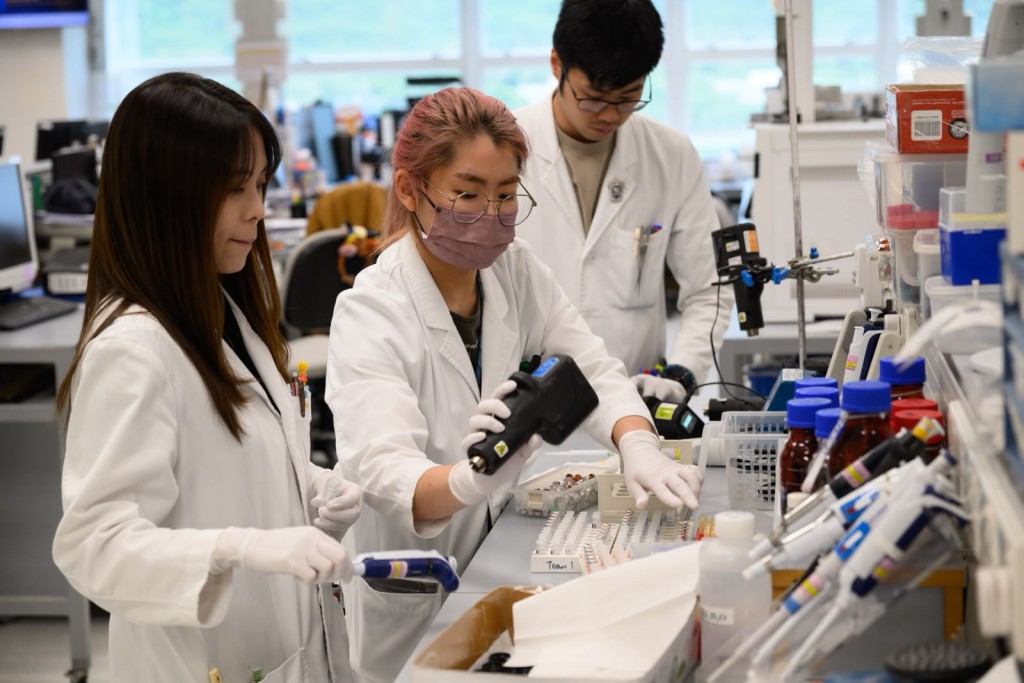
By leveraging assets like its internationally recognized Racing Laboratory, the city can export its expertise in integrity assurance and dispute resolution, creating tangible value and reinforcing its reputation in the global sports economy.
Beyond sports, the Club believes Hong Kong has the potential to evolve from a traditional financial center into Asia's leading base for philanthropy and social impact investment.
The recommendations call for channeling philanthropic capital to support critical infrastructure projects, such as the Northern Metropolis University Town.
The Club also suggests expanding traditional financial models to incorporate social impact investments and establishing a dedicated coordination mechanism to unlock new funding sources for social development.
Complementing these efforts, the Club’s Institute of Philanthropy proposed positioning Hong Kong as a central knowledge and convening hub for the sector.
Their recommendations include forming a joint taskforce with mainland counterparts to standardize social impact measurement frameworks and launching formal cross-border exchange programs to share best practices in governance.
By fostering innovative financing solutions, the Club aims to tackle social issues sustainably while cementing Hong Kong's role as a regional super-connector.